






The New Sunday Ritual
Move over, brunch. There’s a new Sunday activity taking over the calendars of India’s millennial and Gen Z workforce: meal prepping. This isn’t about recreating your mother’s elaborate tiffin service; it's a modern, strategic approach to food. Faced with
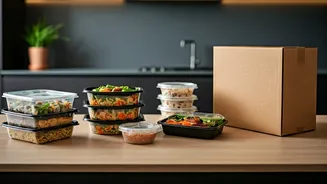
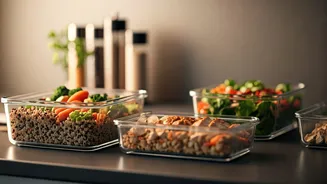
demanding jobs, long commutes in bustling metros, and the ever-present temptation of ordering in, young professionals are reclaiming their time and health by planning and preparing their meals for the week ahead. This simple act of batch-cooking grains, chopping vegetables, and portioning proteins has become a powerful antidote to the chaos of urban life. It’s a calculated move to reduce decision fatigue during a hectic workweek, ensuring that a nutritious meal is always just a microwave away, no app or delivery executive required.
Driven by Health and Hustle
What’s fuelling this trend? It's a potent mix of pragmatism and wellness. Firstly, the financial aspect is undeniable. The daily habit of ordering lunch can quickly burn a hole in a young professional's budget. A week’s worth of groceries for meal prep often costs less than two or three ordered meals. Secondly, there's the health-conscious shift. Today’s young workforce is more informed than ever about nutrition, from macronutrients to the hidden sugars in restaurant food. Meal prepping offers complete control over ingredients, portion sizes, and cooking methods. It allows them to align their diet with their fitness goals, whether it’s building muscle, losing weight, or simply avoiding the post-lunch slump caused by a greasy takeaway meal. It’s about fuelling the ‘hustle’ with the right kind of energy.
Your Meal Prep Starter Kit
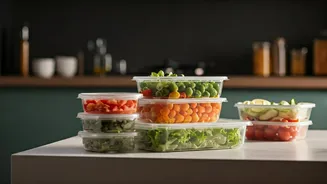
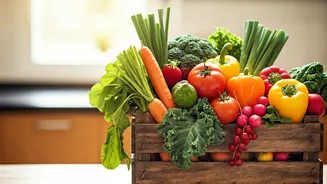
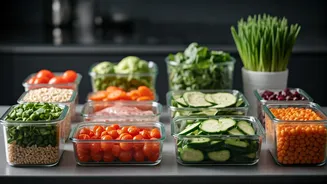
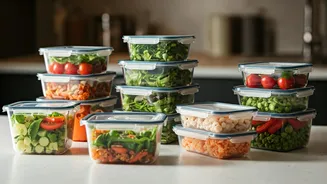
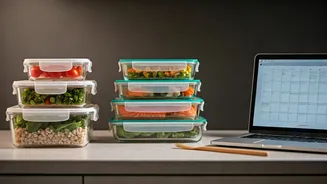
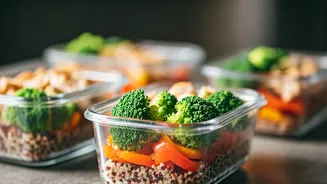
Intrigued but intimidated? Starting is easier than you think. The key is to begin small and build from there. Don't try to prep three meals a day for seven days on your first attempt. Start with just lunches for your workdays. Choose simple, sturdy recipes. Think a big batch of rajma or chana masala, a pot of quinoa or brown rice, and some roasted vegetables like carrots, bell peppers, and broccoli. These components can be mixed and matched throughout the week to avoid monotony. Invest in a good set of airtight, microwave-safe containers. Glass containers are a great, durable option. Dedicate a two-hour block on your Sunday, put on some music, and treat it as a mindful, productive activity rather than a chore.
Building a Smarter Menu
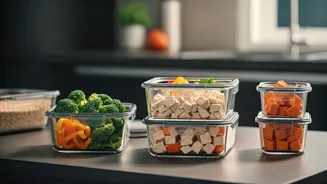
The secret to long-term success with meal prep is variety and smart planning. To avoid eating the same meal five days in a row, think in terms of components. Cook one or two grains (rice, millets), two proteins (chicken, paneer, chickpeas, lentils), and a variety of vegetables. This ‘building block’ approach lets you assemble different bowls or plates each day. For example, Monday could be a quinoa bowl with chickpeas and roasted vegetables. On Tuesday, you could have the same chickpeas with brown rice and a side of fresh salad you quickly assemble in the morning. Sauces and dressings are your best friends—a simple peanut sauce, a mint-coriander chutney, or a yogurt-based dip can completely transform the same base ingredients.
Common Pitfalls to Avoid
As with any new habit, there are a few common mistakes to watch out for. The first is making overly complicated dishes that don’t store or reheat well. Stick to curries, stews, roasted items, and grain bowls. Avoid prepping anything that gets soggy, like salads with dressing or dishes with a crispy coating. Another mistake is not accounting for flavour fatigue. If you know you’ll get bored, freeze half of your batch for the following week and cook something different for the latter half of the current week. Finally, don’t neglect food safety. Always let food cool down completely before sealing it in containers and refrigerating. Most prepped meals are good for 3-4 days in the fridge, so plan accordingly.