

The Allure of Island Landscapes
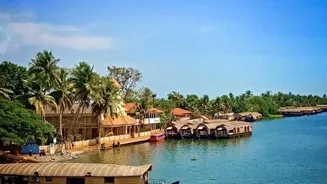
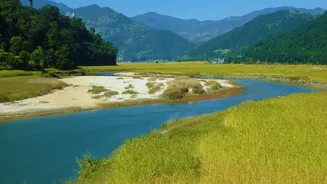
When you think of islands in India, coastal destinations likely come to mind. However, the Northeast presents a different kind of island experience, centered on the mighty Brahmaputra River. These river islands, or 'chars', are hubs of unique culture
and tranquil beauty, offering a peaceful escape from the mainland.
Majuli: The Cultural Heart of Assam
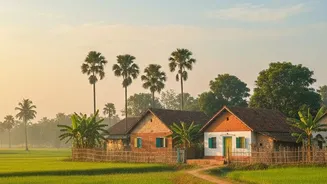
No discussion of river islands is complete without Majuli in Assam. Once recognised as the world's largest river island, it is a centre of Assamese Neo-Vaishnavite culture. Life here moves at a slower pace, dictated by the rhythm of the river. The island is dotted with 'satras'—monasteries and centres for traditional arts, music, and dance, such as the Sattriya dance and the intricate art of mask-making at Samaguri Satra. To reach Majuli, most travellers take a ferry from Nimati Ghat near Jorhat, a journey that is an experience in itself. The best time to visit is from November to March, when the weather is pleasant and the famous Raas Mahotsav festival brings the island to life with vibrant performances. Exploring Majuli on a bicycle or scooter allows you to immerse yourself in the lush green paddy fields and visit the villages of the Mishing tribe, known for their distinctive stilt houses.
Dawki: The River of Crystal Waters
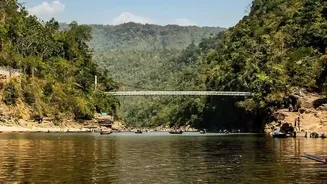
While not a traditional island, the area around Dawki in Meghalaya offers a surreal waterscape that feels otherworldly. Located on the border with Bangladesh, Dawki is famous for the Umngot River, whose water is so clear during the winter months that boats appear to be floating in mid-air. The best time to witness this phenomenon is from November to April. The nearby village of Shnongpdeng has become a popular spot for riverside camping, kayaking, and zip-lining, offering a perfect blend of adventure and tranquillity. A walk across the British-era suspension bridge provides stunning panoramic views of the river and the surrounding lush Jaintia Hills.
The Majesty of Mountain Scenery
From the rolling hills of Meghalaya to the formidable peaks of the Eastern Himalayas, the mountain scenery in Northeast India is as diverse as it is dramatic. The region is a paradise for adventurers, spiritual seekers, and anyone looking to be humbled by the grandeur of nature.
Tawang: A Himalayan Spiritual Haven
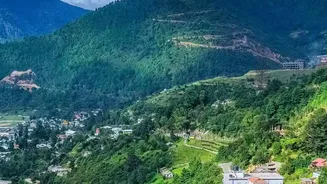
Perched at an altitude of around 10,000 feet in Arunachal Pradesh, Tawang is a land of breathtaking mountain vistas and profound Buddhist heritage. The town is home to the Tawang Monastery, the largest in India, which offers panoramic views of the valley. The journey to Tawang is an adventure, crossing the dramatic Sela Pass at over 13,700 feet, which is often snow-covered and overlooks the serene Sela Lake. Beyond the monastery, you can explore the high-altitude Bumla Pass on the Indo-China border (permit required) and the picturesque Sungester Tso, also known as Madhuri Lake. Due to its high altitude, the best time to visit is from March to June for pleasant weather or September to October for clear skies.
Pelling: The Kanchenjunga Viewpoint
For those seeking postcard-perfect views of the world's third-highest peak, Pelling in West Sikkim is an unparalleled destination. Situated at 7,200 feet, this quiet town offers some of the most stunning, unobstructed views of the Kanchenjunga range. Beyond the vistas, Pelling is rich in history and spirituality. You can explore the ancient Rabdentse Ruins, the former capital of the Kingdom of Sikkim, and the serene Pemayangtse Monastery. The Pelling Skywalk, a glass bridge, offers a thrilling perspective of the surrounding valleys. The town serves as an excellent base for trekkers and those looking to explore the heritage of West Sikkim in a tranquil mountain setting.