

Poha
This humble dish of flattened rice is a breakfast champion across India for good reason. Poha is light on the stomach and easy to digest. It's a source of healthy carbohydrates that provide a steady supply of energy. The traditional preparation involves
passing the rice through iron rollers, which boosts its iron content. When cooked with vegetables and a handful of peanuts, it becomes a well-rounded meal with added vitamins, fibre, and a touch of protein to keep you feeling full and focused. A final squeeze of lemon not only adds flavour but also helps your body absorb the iron more effectively.
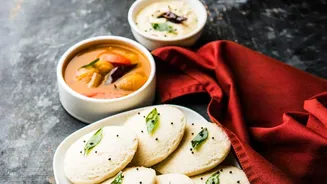
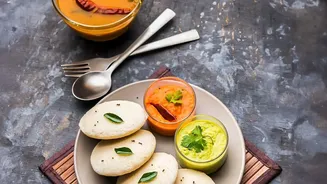
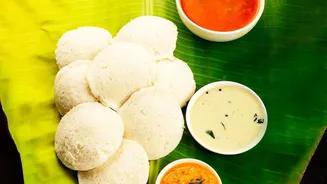
Idli Sambar
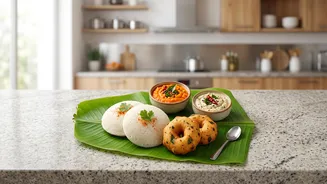
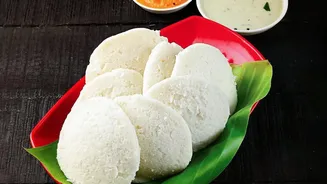
A classic South Indian pairing, idli and sambar is a powerhouse of nutrition. The idlis, made from a fermented batter of rice and lentils, are steamed, making them low in fat and easy to digest. The fermentation process breaks down the nutrients, making them more available for your body to absorb, and promotes good gut health. When paired with a generous serving of sambar, a flavourful stew made with lentils (like toor dal) and vegetables, the meal becomes nutritionally complete. The sambar provides essential plant-based protein and fibre, transforming the simple steamed cakes into a balanced meal that offers sustained energy.
Upma
Often considered the ultimate 'emergency breakfast', upma is a quick, comforting, and surprisingly nutritious option. Made from roasted semolina (suji or rava), it provides slow-release carbohydrates for sustained energy without the crash. The real magic of upma lies in its versatility. By adding a variety of vegetables like carrots, peas, and beans, you significantly boost its fibre and vitamin content. Including additions like lentils or peanuts can also increase the protein content, making the meal more balanced and helping you feel full for longer.
Moong Dal Cheela
A savoury pancake made from ground moong dal (split yellow lentils), the cheela is a fantastic high-protein vegetarian breakfast. Protein is crucial for satiety, helping to keep hunger pangs at bay and providing steady energy. A couple of medium-sized cheelas can offer a significant protein boost to start your day. Moong dal is also a good source of dietary fibre, which aids digestion and contributes to that feeling of fullness. You can enhance them further by adding finely chopped vegetables to the batter or stuffing them with crumbled paneer for an extra protein punch.
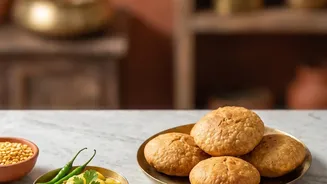
Thepla
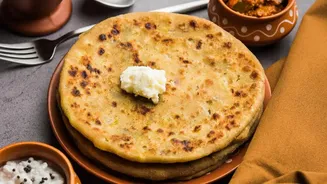
A staple from Gujarat, thepla is a flatbread that's both delicious and travel-friendly. Made from whole wheat flour (atta), it's a good source of complex carbohydrates and fibre, which ensure a gradual release of energy. Often, theplas are made with fresh fenugreek (methi) leaves, which add not just flavour but also their own nutritional benefits, including fibre and minerals like iron and calcium. Paired with a side of plain curd (dahi), it becomes a balanced meal, with the curd adding protein and probiotics for gut health.
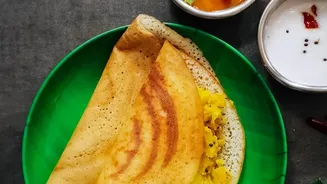
Ragi Dosa
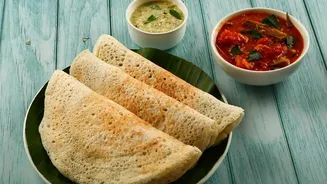
For a nutritional upgrade to the classic dosa, look no further than ragi (finger millet). Ragi is a powerhouse grain, naturally rich in calcium, iron, and dietary fibre. The high fibre content means it digests slowly, keeping you fuller for longer and providing a very steady stream of energy, which is ideal for managing blood sugar levels. Compared to a regular rice-based dosa, a ragi dosa offers a more robust nutritional profile, with an earthy, nutty flavour that pairs wonderfully with sambar and chutney.
Sprouts Chaat
If you need a quick, no-cook breakfast that packs a serious nutritional punch, a sprouts chaat is an excellent choice. Steamed mixed sprouts, such as mung beans or chickpeas, are incredibly rich in plant-based protein and fibre. This combination is highly effective at promoting satiety and providing long lasting energy. Simply mix the sprouts with chopped onion, tomato, and a squeeze of lemon juice for a fresh and vibrant start to your day. For an even bigger protein boost than consider adding some cubed or crumbled paneer.