


The Problem with Popularity
For years, the story of European travel has been one of increasing popularity, leading to a phenomenon known as overtourism. Major hubs like Barcelona, Venice, and Amsterdam are grappling with the consequences of their own fame: crowded streets, strained
infrastructure, and a diminished experience for both visitors and locals. In cities like Dubrovnik, there can be as many as 27 tourists for every one resident, turning historic centers into congested theme parks. This tourist saturation often means long queues, inflated prices, and the feeling that you're experiencing a place through a filter, rather than connecting with it authentically. The search for a genuine connection is pushing travellers to look beyond the bucket-list cities.
The Allure of the 'Second City'
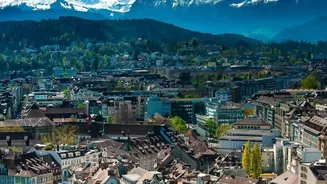
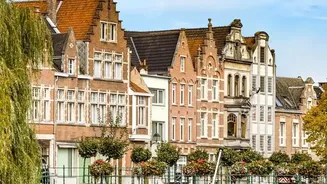
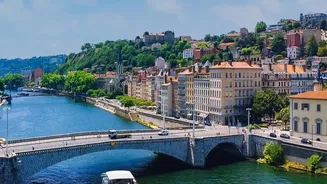
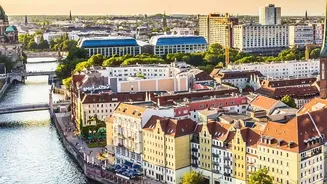
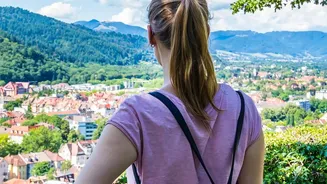
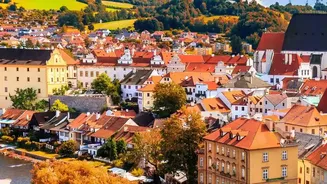
Enter the era of the 'second city' and the small town. This travel style isn't about avoiding popular countries, but exploring them differently. Instead of Lisbon, consider Porto or Coimbra in Portugal. Instead of Amsterdam, a 30-minute train ride can take you to the equally charming but far less crowded canals of Utrecht. This approach offers numerous benefits. Costs for accommodation and dining are often significantly lower. The pace is slower, allowing for spontaneous discoveries and a more relaxed atmosphere. Perhaps most importantly, these destinations provide a more authentic cultural experience, where you can interact with locals who aren't fatigued by mass tourism and see a way of life that hasn't been completely reshaped by it.
How to Find Your Hidden Gem
Planning a trip around smaller destinations requires a slight shift in mindset. Start by looking at a map and identifying smaller towns situated between your must-see big cities. Europe's extensive and efficient train network makes it easy to add a two-night stop in a lesser-known spot. Look for regional travel blogs or tourism board websites, which often highlight places that don't make it into major guidebooks. Another strategy is to focus on a region rather than just a city. For example, instead of the Amalfi Coast, explore Italy's Pontine Coast, with towns like Terracina offering beautiful sandy beaches without the overwhelming crowds. Don't be afraid to simply wander; some of the best discoveries are made when you put the map away and follow a quiet side street.
Destinations to Inspire Your Next Trip
The options for smaller-scale European adventures are endless. Recent travel trend reports show significant growth in visitor numbers to countries like Slovenia, Malta, and Albania, which offer stunning scenery and rich history. In France, the storybook town of Colmar or the lakeside beauty of Annecy provide charming alternatives to Paris. In Austria, the Alpine scenery of Villach offers a mix of mountain adventure and a unique culture influenced by its proximity to Slovenia and Italy. In Spain, consider Granada or the coastal cities of Cádiz and Málaga. Even in popular regions like Tuscany, looking beyond Florence to towns like Pienza can reveal a more tranquil and rewarding experience. The key is to find a place that aligns with your interests, whether it's food, history, or nature, and dive in.
Embracing a Slower, More Meaningful Pace
Ultimately, the shift toward smaller destinations is part of a larger movement towards 'slow travel'. It prioritizes connection over checklists and experiences over sights. This approach encourages you to unpack your bag for a few days, shop at the local market, learn a few phrases in the local language, and have conversations with shopkeepers or artisans. It's about finding the joy in the journey itself, whether that's on a scenic train ride through the countryside or enjoying a coffee in a quiet town square. By doing so, you not only get a better, more affordable holiday, but you also contribute to a more sustainable model of tourism that benefits smaller communities directly.