





What is the Kharif Season?
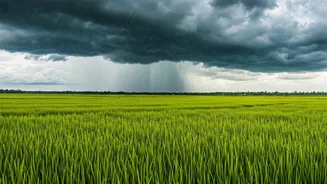
The Kharif season is India's primary monsoon cropping season. The name 'Kharif' has Arabic origins, meaning 'autumn', which corresponds to the harvesting period. Sowing for Kharif crops typically begins in June and July with the arrival of the southwest
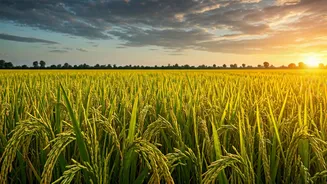
monsoon rains, and the harvest takes place between September and October. These crops, also known as monsoon crops, are distinct from Rabi crops, which are sown in the winter. They thrive in hot and humid conditions and are heavily dependent on rainfall for growth.
Why the Monsoon is Everything
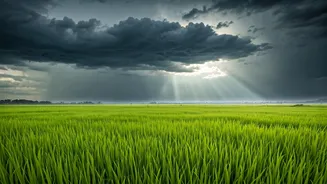
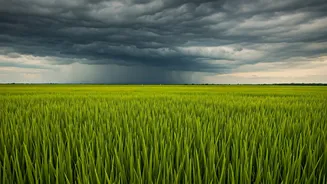
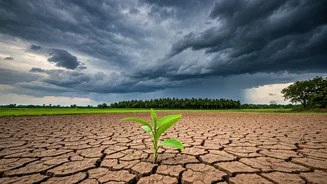
The relationship between the Kharif season and the monsoon is critical. The southwest monsoon provides about 70-75% of India's annual rainfall, and a significant portion of the country's farmland is rain-fed, lacking access to robust irrigation. The timing, distribution, and quantity of this rainfall are the most important factors determining the success of the Kharif harvest. A timely and well-distributed monsoon leads to bumper crops, boosts rural income, and helps keep food prices stable. Conversely, a delayed, deficient, or erratic monsoon can lead to crop failure, farmer distress, and economic strain.
The Main Kharif Players
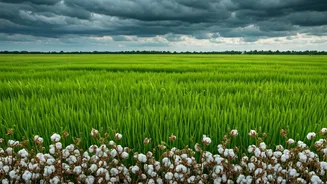
A wide variety of essential crops are grown during the Kharif season. Rice is the most important and water-intensive Kharif crop, a staple food for a majority of the Indian population. Other significant crops include maize (corn), millets like jowar and bajra, cotton, and sugarcane. Pulses such as tur (arhar), moong, and urad are also crucial Kharif crops that provide essential proteins and help with nitrogen fixation in the soil. Oilseeds like soybean and groundnut, vital for domestic cooking oil production, are another major component of the Kharif basket.
Economic and Social Importance
The Kharif season is the engine of India's rural economy. It provides employment for a vast portion of the country's rural workforce, with labour-intensive activities from sowing to harvesting creating millions of jobs. A successful Kharif harvest contributes significantly to India's Gross Domestic Product (GDP) and ensures the nation's food security. The government's procurement of Kharif grains, especially rice, is foundational to the Public Distribution System (PDS), which supplies subsidized food to millions. Therefore, a good Kharif season has a ripple effect, boosting demand for other goods and services and contributing to overall economic stability.
The 2026 Season: A Slow Start
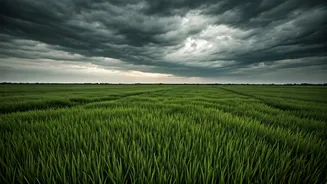
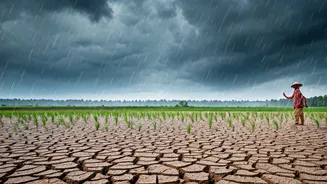
The 2026 Kharif season has started under a cloud of uncertainty. Sowing has been slow, lagging significantly behind last year's figures due to a weak start to the monsoon. Data from late June 2026 shows a nationwide rainfall deficit, with June being one of the driest in recent history. This has delayed the planting of major crops like rice, pulses, and oilseeds. Forecasts suggest that El Niño conditions could lead to below-normal rainfall in July, a critical period for crop growth. This situation has raised concerns about crop yields, potential pest outbreaks, and pressure on fertiliser supplies, making the monsoon's performance in the coming weeks extremely crucial for farmers and the economy.