

From Shopping List to Action Plan
A typical recipe presents ingredients as a simple list, which our brains tend to process as a shopping list—a collection of items to be gathered. But a recipe is not just a list; it’s a series of chemical and physical reactions that happen in a specific
sequence. When you simply gather your items, you’re preparing to shop. When you organise them by when you’ll use them, you’re preparing to cook. The simple act of rewriting your ingredient list into a chronological workflow is the single biggest step you can take toward becoming a more intuitive and less stressed cook. It shifts your focus from “What do I need?” to “What do I do first, second, and third?” This method ensures you’re never scrambling mid-recipe, because the plan is already laid out.
The Chef's Secret: Mise en Place
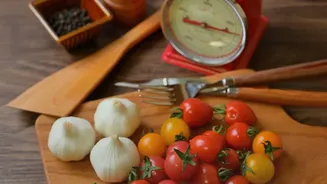
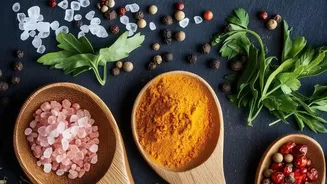
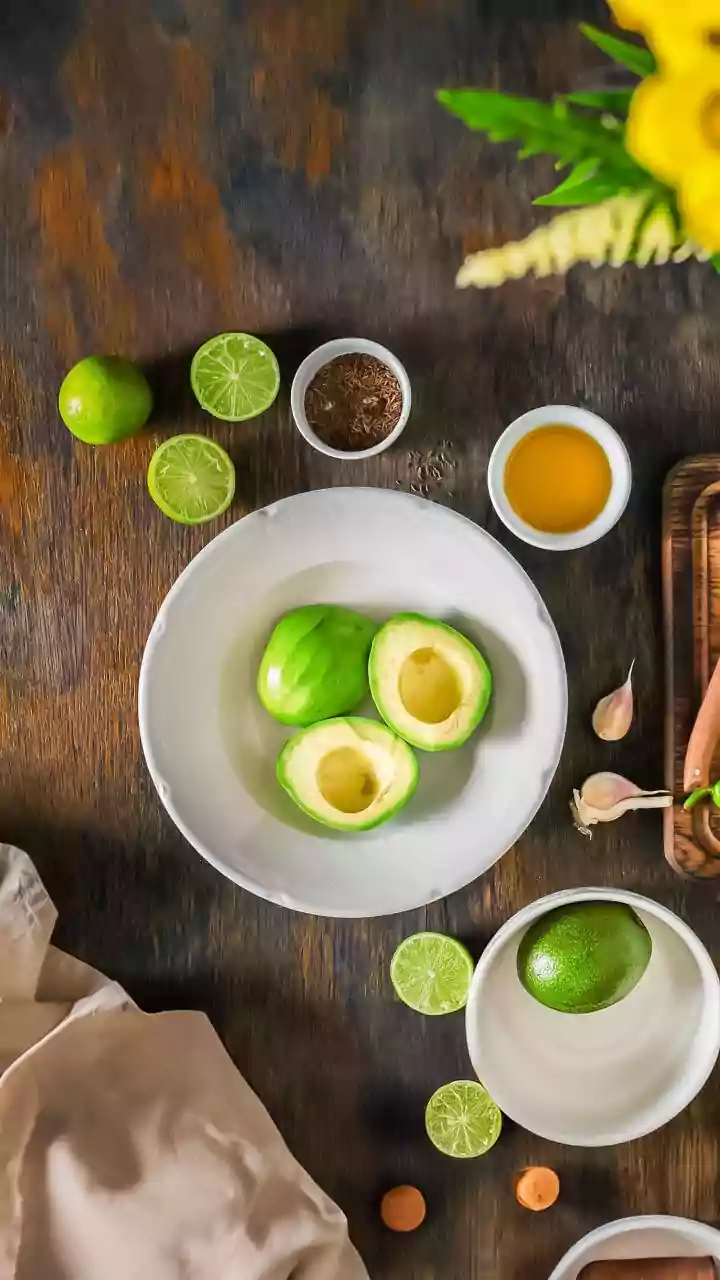
In professional kitchens, this concept is known as mise en place, a French term meaning “everything in its place.” It’s one of the first and most important principles taught in culinary school. It means that before any heat is turned on, every ingredient is washed, chopped, measured, and organised. For the home cook, this doesn’t need to be a formal process with dozens of tiny bowls. It simply means reading the recipe all the way through and then prepping your ingredients in the order they will be used. Chop the onions and garlic first if they go into the pan together. Measure out your spices into a small dish. Combine the liquids for a sauce in a jug. By the time you start cooking, all the thinking and prep work is done. The cooking itself becomes a smooth, uninterrupted process of assembly and technique.
Why Order Creates Flavour
The order of ingredients isn't just about organisation; it's about chemistry. In a stir-fry or soup, aromatics like onions and carrots are often sautéed first to build a deep, sweet flavour base before any liquid is added. Once liquid enters the pan, the temperature drops to boiling point, preventing the browning reactions that create complexity. Similarly, blooming spices by toasting them in hot oil for a minute before adding other ingredients unlocks their fat-soluble compounds, making the final dish far more aromatic. In baking, the sequence is even more critical. The common method of creaming butter and sugar first isn't arbitrary; it incorporates air into the mixture, which is essential for a light, fluffy texture. Adding flour too early or liquids all at once can prevent proper aeration, leading to dense or tough results. Each step is designed to achieve a specific chemical or structural purpose that builds on the last.
How to Rewrite Your Recipe
Transforming a standard recipe list into a workflow is easy. First, read the instructions from beginning to end. Then, grab a pen and paper and rewrite the ingredients, grouping them by step. For a simple pasta sauce, your new list might look like this: Step 1: Pan on medium heat - 2 tbsp olive oil - 1 onion, diced - 2 cloves garlic, minced Step 2: Add and cook for 5 mins - 1 can crushed tomatoes - 1 tsp dried oregano Step 3: Stir in at the end - Handful of fresh basil, torn - Salt and pepper to taste This rewritten list is no longer just a list; it’s your roadmap. It tells you exactly what to prep and group together before you even approach the stove. You’ll see at a glance that the onion and garlic should be chopped and ready, while the basil can be left until the very end.
The Payoff: Calm, Confidence, and Better Food
Adopting this practice does more than just organise your countertop. It fundamentally changes your experience in the kitchen. The frantic energy of searching for an ingredient while another one burns is replaced by a calm, focused rhythm. You make fewer mistakes, like forgetting an ingredient or adding it twice. With the logistics handled, you’re free to focus on the actual art of cooking: watching how the food is responding, tasting as you go, and making adjustments. You’ll find that you start to understand the why behind recipes, not just the what. This deeper understanding is what bridges the gap between following instructions and truly knowing how to cook. Your food will taste better, your kitchen will stay cleaner, and you’ll enjoy the process more than ever.