





The 'Green' in Your Gear: A Sustainable Choice
First, let's talk about the most urgent meaning of green: sustainability. The fashion and apparel industry has a significant environmental footprint, but you can make a difference with your choices. Eco-friendly or "green" rain gear is designed to minimise
harm from production to disposal. Many brands now use recycled materials, such as polyester made from post-consumer plastic bottles or recycled nylon from discarded fishing nets and carpets. This process consumes less energy and water compared to creating virgin plastics and keeps waste out of landfills and oceans. Another critical element is the water repellent coating. For years, the industry relied on perfluorinated compounds (PFCs), effective but environmentally harmful chemicals that don't break down naturally. Today, a growing number of brands are committed to using PFC-free durable water repellent (DWR) coatings. These alternatives, which can be silicone or wax-based, are much kinder to the ecosystem. When you choose a jacket with a PFC-free label, you're helping reduce the circulation of these persistent chemicals in our environment.
Built to Last: The Ultimate Form of Sustainability
The most sustainable jacket is one you won't need to replace for years. True green credentials go beyond materials to include durability and repairability. A well-made, high-quality jacket that withstands season after season of downpours is inherently more sustainable than a cheap alternative that fails after a few uses and ends up in the trash. Look for brands that offer repair services or guides on how to patch up small tears. A jacket with robust zippers, reinforced seams, and durable fabric is a long-term investment. By choosing gear that is built to last, you reduce consumption and waste, which is the cornerstone of sustainable living. Before buying, consider the garment's entire lifecycle, not just its initial appeal.
The Colour Story: Practicality in Plain Sight
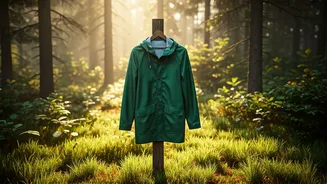
Shifting from the philosophical to the practical, let's consider the literal colour green. The shade you choose can have a real impact on your outdoor experience. There is a debate among outdoor enthusiasts about whether to blend in or stand out. For those who wish to observe nature without disturbing it, earthy tones are ideal. Olive, forest, and khaki greens help you blend into the foliage, making you less obtrusive to wildlife during a trek or while birdwatching. These colours are respectful to the natural environment and other people seeking solitude. Conversely, bright, high-visibility greens like neon or lime serve a critical safety function. If you are hiking on trails with vehicle traffic or in low-light conditions, a bright jacket makes you much easier to spot. In an emergency, a vibrant colour is invaluable for search and rescue teams. So, whether you want to be a quiet observer or a visible adventurer, there's a shade of green that fits your needs.
A Timeless and Versatile Style
Beyond its practical applications, green is a deeply versatile and stylish colour. Associated with nature, calmness, and renewal, it's a colour that rarely feels out of place. From the deep sophistication of emerald and forest green to the fresh, energetic vibe of mint and lime, there’s a hue to match any personality. Unlike fleeting trend colours, green has a timeless appeal. It pairs effortlessly with neutral tones like black, grey, and beige, but also works well with blues and earthy browns. This versatility makes it an excellent choice for a rain jacket that needs to function as both technical gear for a hike and a stylish outer layer for a day in the city. A green jacket can signal confidence, friendliness, and a connection to the natural world—a subtle statement that's always in fashion.