




Why a Crowded Balcony Is a Problem
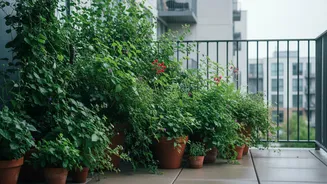
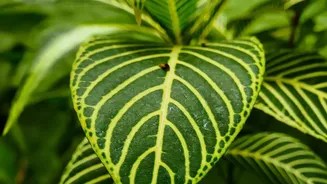
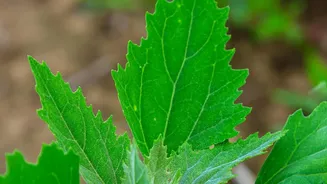
That dense, overlapping foliage might look lush, but it creates significant problems for your plants. The most immediate issue is the lack of light. When leaves cover each other, the ones at the bottom or in the interior of the plant can't get enough
sunlight for photosynthesis, causing them to turn yellow and drop. Secondly, this density severely restricts air circulation. Stagnant, humid air trapped between leaves creates the perfect breeding ground for fungal diseases like powdery mildew, downy mildew, and gray mold. This poor airflow also makes it harder for pests to be deterred, giving them a sheltered place to hide and multiply. In essence, what appears to be abundance is actually creating a stressful environment where plants compete for resources and become more vulnerable to disease.
Reading the Signs of Overcrowding
Your plants will give you clear signals when they are feeling cramped. One of the most common signs is yellowing or browning leaves, especially lower down on the stems where light is scarce. You might also notice stunted or slow growth, as the plants are putting energy into competing for light rather than producing new, healthy foliage. Another key indicator is a lack of flowers or fruit; a stressed, overcrowded plant often won't have the resources to produce blooms. Visually, the plant may look 'leggy,' with long, weak stems stretching desperately towards a light source. In very dense arrangements, you might even see the first signs of fungal disease, such as a white powdery coating on the leaves (powdery mildew), which thrives in the humid conditions created by poor ventilation.
The Gentle Art of ‘Editing’
‘Editing’ is simply a thoughtful way of describing pruning and thinning. The goal is not just to chop things back, but to strategically improve the plant's health and shape. There are a few key techniques. The first is thinning, which involves removing entire stems right back to their point of origin. This is the best way to open up the center of the plant and drastically improve air circulation. Another technique is selective pruning, where you trim stems back to a leaf node to encourage bushier growth and control the plant's overall size. Deadheading, or removing spent flowers, is also crucial. This stops the plant from wasting energy on seed production and encourages it to produce more blooms. For any pruning, it's essential to use clean, sharp tools like bypass pruners or snips to make clean cuts and avoid spreading disease.
A Step-by-Step Guide to Thinning
Begin by stepping back to assess the overall shape of the plant and identify the most crowded areas. Start at the base and the center, as this is where airflow problems originate. Look for any stems that are weak, yellowing, or crossing over others. Remove these first, cutting them cleanly at their base. Next, identify a few of the oldest, thickest stems and consider removing them to allow younger, more vigorous shoots to thrive. The general rule of thumb is to never remove more than one-third of the plant’s total mass at one time. This ensures the plant isn't overly stressed and has enough foliage left to recover quickly. After making your cuts, clear away all the trimmed debris from the pot and the surrounding area to prevent any potential diseases from spreading.
Aftercare for a Healthier Plant
Pruning can be a shock to a plant, so a little aftercare goes a long way. After a significant thinning, your plant will likely need less water than before because it has less foliage from which to transpire moisture. Check the soil before watering to avoid creating waterlogged conditions, which can lead to root rot. Keep an eye on the plant over the next couple of weeks, looking for signs of new growth, which is a signal that your editing was successful. This is also a good time to check for any pests that may have been hiding in the dense foliage and are now exposed. Regular, light pruning is often better than one drastic haircut, so make it a habit to monitor your balcony plants for signs of crowding throughout the growing season.