

The Rise of the Ambitious Home Chef
In recent years, Indian kitchens have transformed into spaces of creativity and ambitious projects. This newfound confidence has led many to tackle recipes once considered the exclusive domain of professional chefs with specialized equipment. At the top
of that list are the legendary breads that form the backbone of North Indian and Mughlai restaurant menus. The desire to recreate these complex flavours and textures is about more than just a meal; it's a way to connect with culinary traditions, develop new skills, and bring a touch of celebratory dining into the everyday. The trend reflects a broader movement towards more intentional, hands-on cooking, where the process is as rewarding as the final product.
Naan: Taming the Tandoor on a Tawa
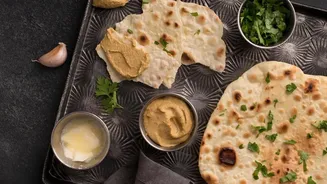
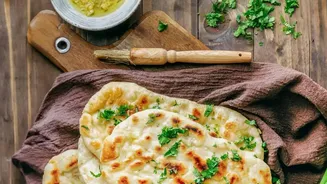
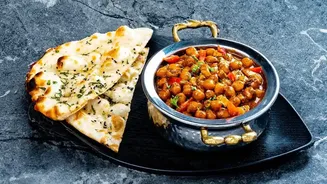
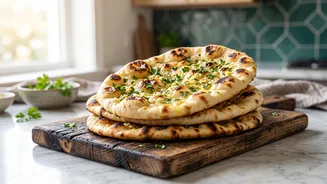
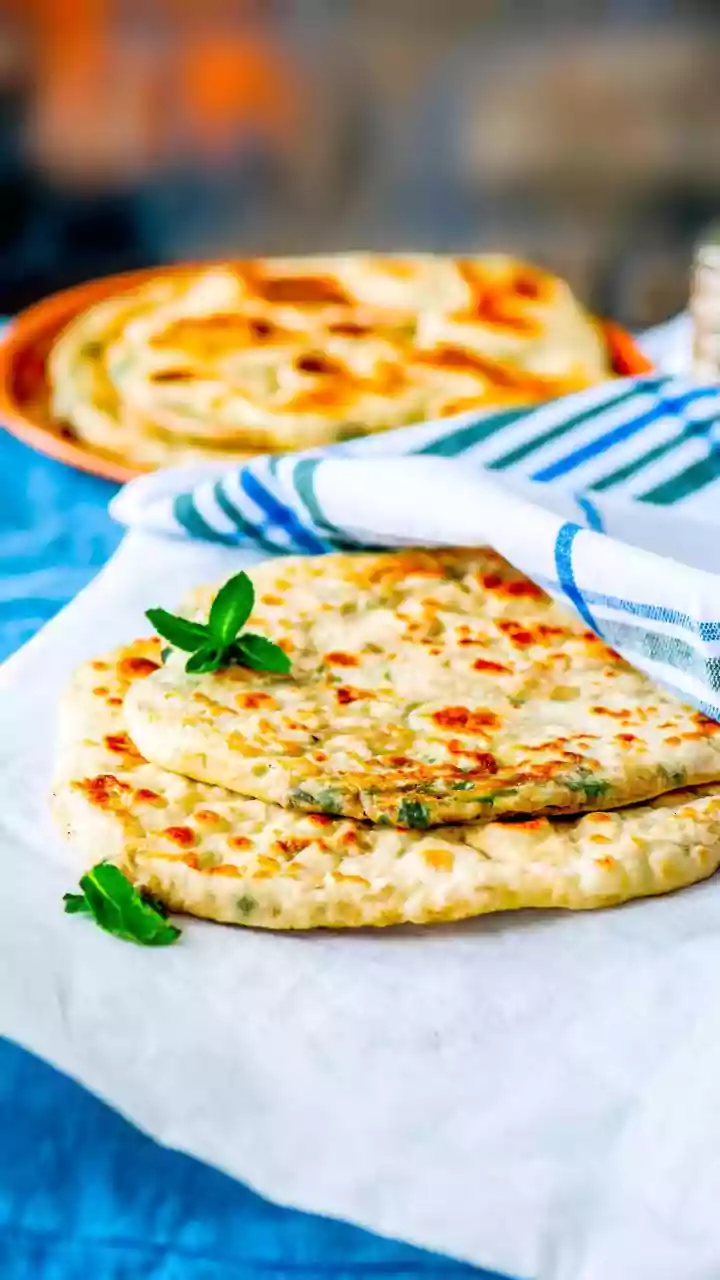
Naan is arguably the most famous Indian bread, loved for its soft, pillowy texture and distinctive charred spots. The magic traditionally happens in a tandoor, a cylindrical clay oven that reaches scorching temperatures. So how are home cooks replicating this? The most popular hack involves a humble cast-iron tawa or skillet. The process starts with a leavened dough, typically made with flour, yeast (or baking powder and soda), and yogurt for softness. After rolling the naan into its classic teardrop shape, one side is brushed with water. This side is then slapped onto the hot tawa, where the water helps it stick firmly. As bubbles appear on the surface, the entire tawa is inverted directly over a high gas flame. This masterstroke mimics the intense, ambient heat of a tandoor, cooking the top of the naan and creating those signature blisters and smoky flavour.
Kulcha: The Art of Stuffing and Fluffing
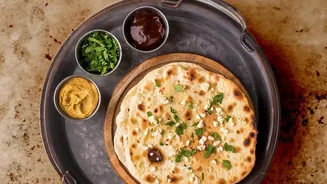
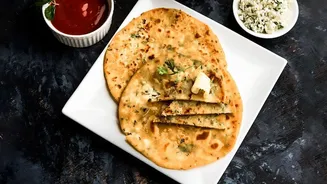
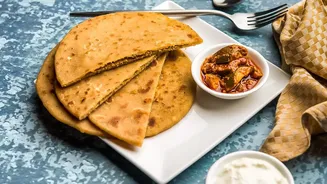
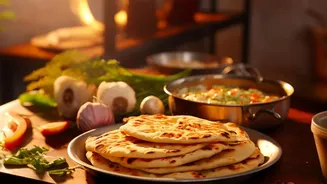
Softer and often more decadent than naan, kulcha is a leavened bread that can be served plain or, more famously, stuffed with fillings like spiced potatoes (aloo kulcha) or paneer. Unlike most naans, many kulcha recipes use a combination of baking powder, baking soda, and curd as the leavening agent instead of yeast, which simplifies the process for home cooks. The key technique lies in creating a soft, pliable dough that can be easily rolled without tearing the filling. Home cooks prepare a flavourful, relatively dry stuffing, encase it within a ball of dough, and then gently roll it out. While some bake it in an oven, the popular method is again the stovetop tawa, where the kulcha is cooked on medium heat until it puffs up and golden-brown spots appear, then generously brushed with butter.
Rumali Roti: The 'Handkerchief' Bread Challenge
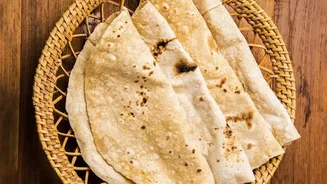
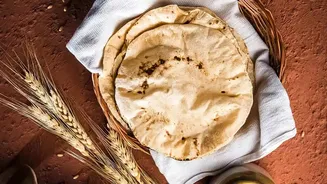
Rumali roti, which translates to 'handkerchief roti', is prized for its paper-thin, delicate texture. Watching a professional chef stretch and flip this dough in the air is pure theatre. At home, the technique is less dramatic but equally clever. The secret starts with a very soft, elastic dough, often made with a mix of whole wheat flour and maida, that is rested to relax the gluten. The most crucial adaptation is the cooking vessel: an inverted kadai or a convex tawa. After rolling the dough as thinly as possible, it is gently draped over the hot, overturned pan. It cooks in a matter of seconds; as soon as bubbles appear, it's flipped and cooked briefly on the other side. The result is an incredibly soft, foldable bread that was once thought impossible to achieve outside of a restaurant setting.