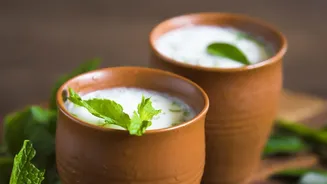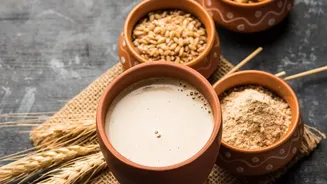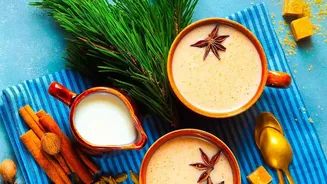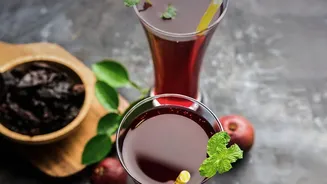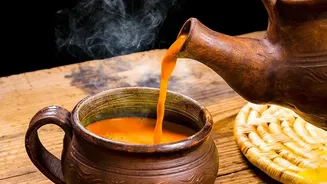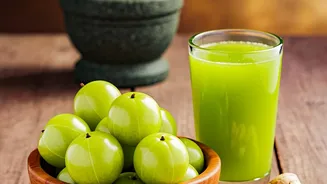




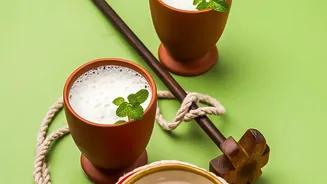


The nostalgic flavours of aam panna, jaljeera, or sol kadi, once limited to home kitchens and street vendors, are now appearing on supermarket shelves. This shift from perishable, local favourites to widely available commercial products is no accident.
A Growing Thirst for Authenticity
For decades, the Indian beverage market was dominated by global cola giants and fruit juices. However, a significant cultural and consumer shift is underway. An increasing number of consumers are seeking out flavours that feel authentic and familiar. This trend is driven by a blend of nostalgia for childhood tastes and a growing wellness consciousness. Many traditional Indian drinks were originally conceived for functional purposes long before 'functional beverage' became a marketing buzzword. Masala chaas was used to aid digestion, nimbu pani to rehydrate during intense heat, and sol kadi for gut health in coastal regions. This inherent health halo gives them an edge over sugary sodas. Brands have recognised this latent demand, seeing a major opportunity to commercialise a relatively untapped part of India's rich culinary heritage.
The Technology That Changed Everything
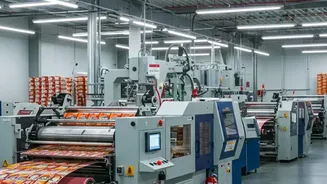
The single biggest barrier to scaling up traditional drinks has always been their short shelf life. Made with natural, perishable ingredients, most of these beverages required refrigeration and immediate consumption. This is where modern packaging technology, particularly aseptic processing, has been a game-changer. Aseptic packaging involves sterilising the beverage and the packaging separately and then combining them in a sterile environment. This process creates a product that is shelf-stable for months without needing refrigeration or preservatives, all while preserving the original taste and nutritional value. Companies like Tetra Pak and SIG have been instrumental, providing six-layer cartons that protect the contents from light, air, and contamination, enabling a drink from the Konkan coast to be sold in Delhi.
From Niche Recipes to National Brands
The combination of market demand and technological capability has fuelled a commercial revival. Brands like Paper Boat successfully proved that Indian consumers would pay for traditional flavours presented in a modern, convenient format. Their success with drinks like aam panna and jaljeera paved the way for others. Now, major players like Dabur, Amul, and even Hamdard with its iconic RoohAfza are expanding into ready-to-drink (RTD) formats like PET bottles and aseptic cartons for lassi and milkshakes. This shift allows these brands to move beyond their home states and compete for national market share through e-commerce, modern retail, and even quick-commerce channels that are driving impulse purchases.
Navigating the Path to the Pantry
Transitioning a traditional recipe into a successful retail product is not without its challenges. The primary hurdle is maintaining formulation integrity; consumers who grew up with the authentic taste will quickly reject a poor imitation. Brands must invest in refining formulations to ensure consistency and authentic flavour at an industrial scale. Furthermore, navigating food safety standards, particularly with sensitive ingredients like dairy, fruits, and spices, is critical. The supply chain for high-quality, natural ingredients can also be fragmented. Finally, while modern packaging solves many problems, the industry faces growing pressure regarding sustainability and plastic waste, with new regulations mandating the use of recycled content in PET bottles, which presents its own set of cost and supply challenges.