



The Core Difference: Fibre and Sugar
When a fruit is turned into juice, it loses one of its most valuable components: dietary fibre. This fibre, found in the pulp and skin, is essential for good health. Without it, you are left with a beverage that is high in concentrated natural sugars.
Eating a whole fruit allows the fibre to bind with the sugars, slowing their absorption into your bloodstream. This prevents the rapid sugar spike and subsequent crash that often follows a glass of juice, which can leave you feeling hungry again sooner. Essentially, juicing strips the fruit of its natural ability to regulate its own sugar, turning a healthy snack into a sugary drink.
The Hidden Loss of Nutrients
The benefits of fibre go beyond just sugar control. It plays a vital role in digestive health, promoting regular bowel movements and feeding the healthy bacteria in your gut. Furthermore, many of the essential vitamins and antioxidants in fruits are bound to the pulp and skin that get discarded during the juicing process. For instance, the white pith of an orange, which is often removed for juicing, is rich in beneficial flavonoids. The process of juicing itself, through exposure to air and light, can also degrade sensitive nutrients like Vitamin C. While fresh juice is not devoid of nutrients, it offers a less complete package than the whole fruit.
Winter Spotlight: Amla (Indian Gooseberry)
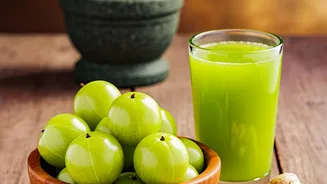
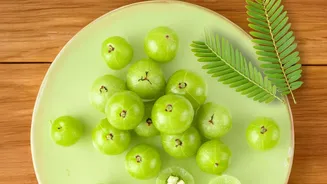
Amla is a true winter superfood, celebrated in Ayurveda for its immense health benefits. It is one of the most potent natural sources of Vitamin C, containing far more than an orange. This makes it a powerful immunity booster during the cold and flu season. When you eat amla raw, you get its full dose of fibre, which aids digestion and ensures a slow, steady release of its nutrients. While amla juice is convenient, the processing can reduce its Vitamin C content and removes the beneficial fibre. For maximum benefit, eating small, raw slices of amla is the superior choice.
Winter Spotlight: Oranges and Kinnows
No winter fruit list is complete without oranges and their popular North Indian cousins, kinnows. These citrus fruits are synonymous with the season and are prized for their high Vitamin C content, which is crucial for a strong immune system. When you peel and eat an orange, you consume not just the juicy segments but also the fibrous membranes that separate them. This fibre slows down sugar absorption and helps you feel full. A glass of orange juice, which can require four to five oranges to make, delivers all the sugar from those fruits in a quick, fibre-less dose, causing a much sharper spike in blood sugar.
Winter Spotlight: Guava (Amrood)
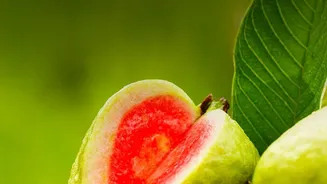
Often hailed as a 'winter apple', guava is another nutritional powerhouse that shines during the colder months. It is exceptionally rich in Vitamin C—even more so than oranges—as well as dietary fibre, lycopene, and antioxidants. Many of these nutrients are concentrated in the skin and the tiny seeds, which are perfectly edible and beneficial. Eating the fruit whole, with its skin and seeds, helps in managing blood sugar, aids digestion, and supports skin health due to its role in collagen production. Juicing a guava would mean losing out on the immense benefits locked within its peel and seeds.
Winter Spotlight: Pomegranate (Anar)
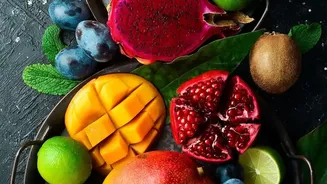
With its jewel-like arils, the pomegranate is both a visual and a nutritional delight of the winter season. These seeds are packed with antioxidants, iron, and vitamins that support heart health and can help fight infections. The white membrane surrounding the clusters of seeds, though slightly bitter, is also full of nutrients. Eating the arils whole provides fibre that contributes to digestive health and satiety. While pomegranate juice is popular, commercially available versions often contain added sugars, and even freshly pressed juice lacks the fibre of the whole arils.