




The Gut-Diet Connection is Real
Your gut is home to trillions of microorganisms, collectively known as the gut microbiome. This bustling internal ecosystem plays a crucial role in everything from digestion and immunity to mental health. And the single biggest factor you can control
that shapes it is your diet. Research consistently shows that what you eat directly influences the diversity and health of your gut bacteria. For instance, high-fibre diets rich in fruits, vegetables, and whole grains tend to foster a more diverse and beneficial microbial community. Similarly, fermented foods like yogurt can introduce helpful bacteria. Conversely, a typical Western diet, high in processed foods, sugar, and saturated fats, is linked to reduced microbial diversity, which can increase the risk for several health issues.
Scientists Are Seeing Clear Patterns
As researchers dig deeper, they are identifying distinct patterns or "signatures" in the gut microbiome that correlate with different dietary habits and health conditions. Using large datasets, scientists can now often distinguish between people who eat omnivorous, vegetarian, or vegan diets based solely on the composition of their gut microbes. Beyond diet, studies have found specific microbial metabolites—substances produced by gut bacteria—that are directly linked to conditions like heart disease and may even influence brain health and aging. For example, recent findings have identified gut-derived compounds that appear to drive atherosclerosis or, conversely, improve cognitive function in older adults. These discoveries are incredibly exciting because they confirm that the gut microbiome is not just a passive bystander but an active participant in our overall health.
Why Patterns Aren't Prescriptions... Yet
This is the crucial question. If we can see these patterns, why can’t your doctor give you a personalised diet plan based on a stool sample? The primary reason is that the science is still grappling with immense complexity. First, there is the issue of correlation versus causation. Finding a specific type of bacteria in people with a certain condition doesn't prove the bacteria caused it. Second, every individual's microbiome is incredibly unique and dynamic, changing based on diet, stress, sleep, and other factors. A recommendation that works for one person might not work for another, even if their broad dietary patterns are similar. Researchers are still working to understand the exact mechanisms by which specific foods and microbes interact to affect our health. Until those details are clearer, creating reliable, evidence-based clinical advice is a huge challenge.
The Trouble with At-Home Tests
The gap between research and clinical practice has been filled by a booming market of direct-to-consumer (DTC) microbiome testing kits. These products promise to analyse your gut and provide personalised dietary recommendations. However, many experts urge caution. The advice given is often based on the same broad correlational data that researchers are still trying to fully understand. Because the field is not yet standardized, the results can be inconsistent, and the recommendations may be premature. Furthermore, your microbiome can change significantly in the weeks it takes to get results, potentially rendering the advice outdated by the time you receive it. Health authorities have noted that these tests are not regulated as diagnostic tools and shouldn't be used to advise patients on diet or supplements without professional guidance.
So, What Should You Eat Now?
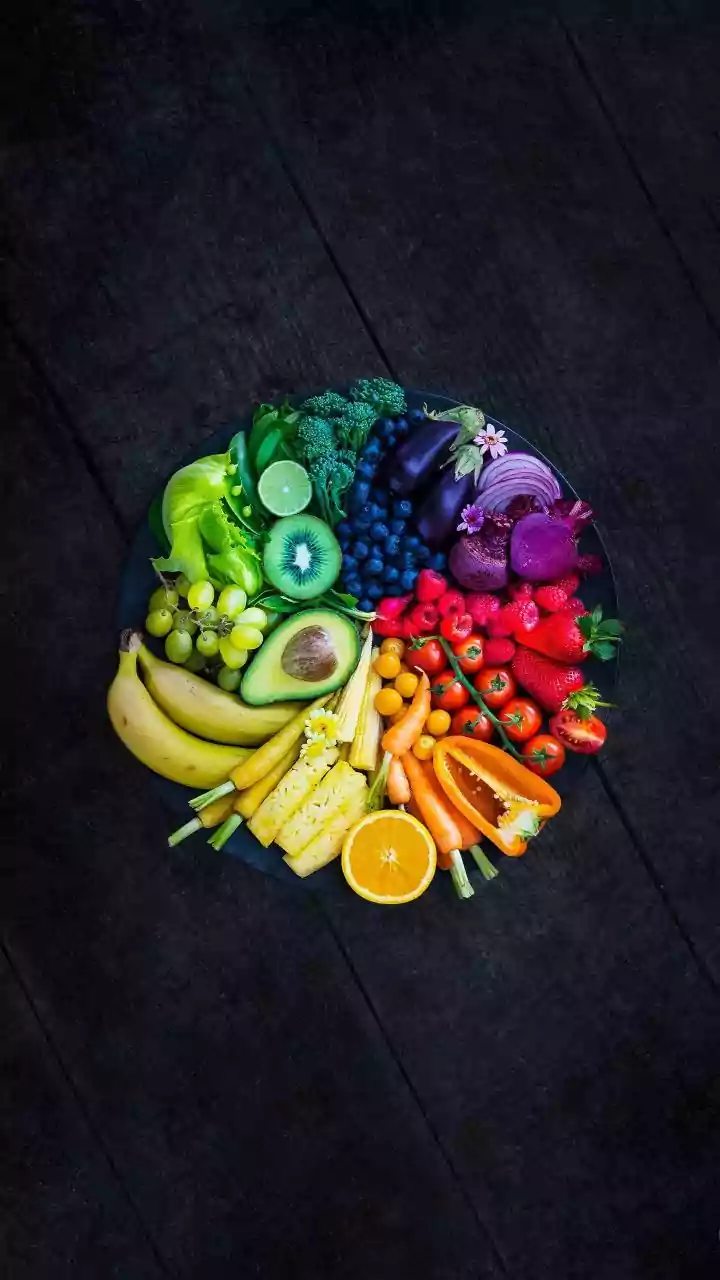
While we wait for personalised microbiome medicine to mature, the best advice is refreshingly simple and aligns with long-standing nutritional wisdom. Instead of focusing on a single "superfood" or eliminating food groups based on a test, aim for overall dietary quality and diversity. Focus on eating a wide variety of plant-based foods—fruits, vegetables, legumes, nuts, and whole grains. This provides the diverse fibres that beneficial microbes thrive on. Limiting ultra-processed foods, which are often high in sugar and unhealthy fats and low in fibre, is also a key strategy for supporting a healthy gut. Essentially, the best way to care for your microbiome right now is to eat a balanced, whole-foods diet that is already known to benefit your overall health.