






The Protein Revolution in the Dairy Aisle
India's relationship with dairy is ancient, but its current form is undergoing a rapid transformation. For generations, milk, curd, and paneer have been pillars of the Indian diet and key protein sources, especially for a large vegetarian population.
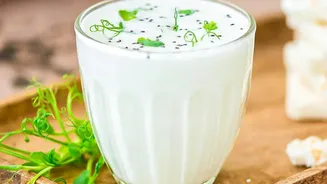
Today, that same dairy aisle is at the center of a new nutritional trend: the protein boom. Consumers are no longer just buying milk; they are buying milk with more protein. The market is now flooded with value-added dairy products that prominently feature their protein content on the label. This includes everything from Greek yogurt, which offers a thicker, more concentrated form of protein, to ready-to-drink milkshakes and fortified buttermilk designed for on-the-go consumption. This trend reflects a significant change in consumer behavior, moving from seeing dairy as a simple commodity to viewing it as a functional food for a healthier lifestyle.
An Answer to India's Protein Anxiety
The rise of high-protein dairy isn't happening in a vacuum. It's a direct response to a growing national conversation about protein deficiency. Studies have highlighted that a significant portion of the Indian population, with its traditionally carbohydrate-heavy diet of rice and roti, does not consume enough protein. This has created a sense of 'protein anxiety,' especially among urban, health-conscious millennials and Gen Z. Brands have been quick to tap into this concern, marketing their products as a simple and convenient solution. The message is powerful: instead of radically changing your diet, you can simply upgrade your daily glass of milk or bowl of curd to a higher-protein version. This has proven to be an effective strategy, as seen in the explosive growth of protein-related orders on quick commerce platforms, which have surged by as much as 150% in two years.
The Players in a Crowded Market
The high-protein dairy space is becoming a competitive battlefield. On one side are the new-age startups that pioneered the category. Epigamia, for instance, is largely credited with introducing and popularizing Greek yogurt in India, educating consumers about a product that was previously unfamiliar. On the other side are the legacy dairy giants. Amul, India's largest dairy cooperative, has aggressively entered the market with a wide range of affordable high-protein products, including milk, lassi, buttermilk, and even protein-enriched paneer. This move is seen as a strategy to democratize high-protein dairy, taking it beyond premium metro consumers to Tier-2 and Tier-3 cities. Other major players like Nestlé, Parag Milk Foods, and Danone (which is also an investor in Epigamia) are also expanding their portfolios to capture a share of this booming market.
From Niche to Mainstream
What was once a niche category for gym-goers and fitness enthusiasts has firmly entered the mainstream Indian kitchen. The growth is no longer confined to metros like Bengaluru, which has been called India's 'protein capital'. Demand is now growing more than 200% faster in smaller cities like Nagpur, Jaipur, and Guwahati. This indicates a nationwide shift towards more intentional, health-focused eating habits. While traditional protein sources like paneer and eggs still dominate the Indian protein basket, products like Greek yogurt are quickly climbing the ranks, often being the third or fourth most ordered item after the staples. This fusion of old and new—where a tub of high-protein Greek yogurt sits in the fridge next to homemade dahi—shows how consumers are integrating modern nutritional trends into their traditional dietary patterns.
Is It All Hype?
With any booming trend, questions of substance arise. Are these products genuinely better? Nutritionists offer a balanced view. For many, high-protein dairy products like Greek yogurt or ultra-filtered milk are a fantastic, convenient way to boost protein intake, as they offer high-quality, bioavailable protein. However, experts also caution consumers to look beyond the headline claim of 'high protein' and check the full ingredient list for hidden sugars or fillers. The most effective products are often those that concentrate the natural protein in milk rather than adding external protein powders. The consensus is that while these products can be a valuable part of a balanced diet, they are not a magic bullet. They should complement, not replace, a foundation of whole foods like dal, legumes, and traditional dairy.