

The Green Purifier Promise
The popular belief that houseplants are tiny, natural air purifiers can be traced back to a landmark 1989 NASA study. Scientists, looking for ways to clean the air in sealed environments like space stations, discovered that common houseplants could absorb
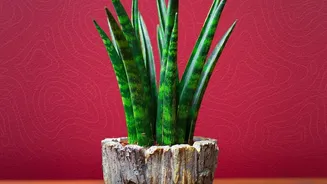
volatile organic compounds (VOCs) like formaldehyde and benzene from the air in a closed chamber. These are chemicals often found in homes, released from furniture, rugs, and cleaning products. The study was a sensation, launching the idea that a snake plant in the bedroom or a spider plant in the living room was actively scrubbing the air we breathe. For years, this was the accepted wisdom, and many people filled their homes with greenery, confident they were creating healthier spaces.
A Reality Check on Lab Conditions
The problem, as more recent research has shown, is that our homes are not sealed space stations. The NASA study was conducted in small, airtight chambers, which is a very different environment from a typical house or apartment with drafts, open windows, and ventilation systems. In a normal home, the air is constantly being exchanged with outside air. One critical review of decades of research concluded that the air cleaning effect of plants in a real-world setting is incredibly slow compared to this natural air exchange rate. Essentially, the rate at which plants remove VOCs is so minimal that it can't compete with the ventilation that is already happening in a building.
The Numbers Don't Add Up
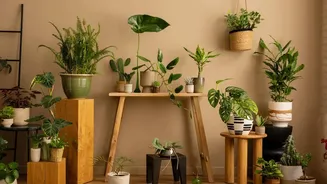
To truly understand the gap between the myth and the reality, it helps to look at the numbers. A 2019 meta-analysis put the science into perspective. Researchers calculated that to achieve the same air-cleaning effects seen in those sealed lab chambers, you would need an almost impossible number of plants. The estimates range from 10 to 1,000 plants per square meter of floor space to make a meaningful difference in air quality. To put that in context, for an average-sized room, you would essentially need to be living in a dense jungle to match the purifying effect of simply opening a window or using a mechanical air purifier. This doesn't mean the original NASA study was wrong, but that its findings were often applied to a context—our homes—where the conditions are vastly different.
The Undeniable Benefits Remain
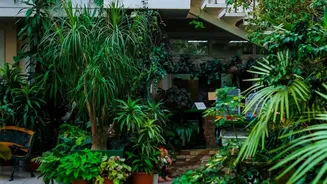
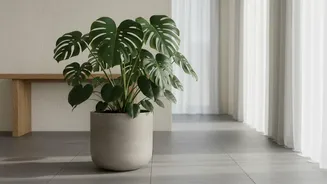
This might sound like bad news for plant lovers, but it's really a reason to appreciate houseplants for what they truly offer. While they may not be air-purifying superheroes, their documented benefits are still significant. Numerous studies have shown that indoor plants can reduce stress and anxiety, improve mood, and even boost focus and productivity. The act of caring for plants can be a meditative and soothing activity, connecting us with nature. They add beauty, color, and life to our indoor spaces. Research has linked the presence of plants to lower stress levels, improved attention, and a greater sense of well-being. These psychological benefits are powerful and proven, making a strong case for keeping greenery in our lives.
Smarter Ways to Clear the Air
So, if your primary goal is to improve indoor air quality, what should you do? The most effective strategies involve source control and ventilation. This means reducing the sources of pollutants by choosing low-VOC paints and furnishings, and ensuring good airflow by opening windows and using exhaust fans in kitchens and bathrooms. Mechanical air purifiers with HEPA filters are also hundreds of times more effective at removing pollutants than plants. Combining these practical steps is the most reliable way to ensure the air in your home is clean. Think of your houseplants as the aesthetic and mental health-boosting supporting cast, not the lead actors in your personal air quality drama.