

Why Storms Are So Scary for Dogs
A dog's storm phobia is more complex than a simple fear of loud noise. Their highly sensitive senses can detect environmental shifts long before we can. Changes in barometric pressure, the smell of ozone in the air, and the feeling of static electricity
building up can all signal an approaching storm. For some dogs, the low-frequency rumbles that we can barely hear are deeply unsettling. This combination of sensory inputs creates a full-body experience of an impending threat, triggering a genuine and profound fear response, which can worsen over time if left unmanaged.
Early Warning Signs of Anxiety
Before the full-blown shaking and hiding begin, your dog will likely show more subtle signs of stress. These early indicators are your first opportunity to intervene. Look for behaviours that are out of context, such as yawning when not tired, excessive lip licking, or sudden panting when it isn't hot. You might notice your dog becoming unusually clingy, seeking you out for reassurance, or conversely, withdrawing and trying to hide. Other early signs can include restlessness, pacing, a lowered or tucked tail, and ears pinned back. Recognizing these initial cues is crucial because it allows you to offer support before their anxiety escalates into panic.
Create a Calming Sanctuary
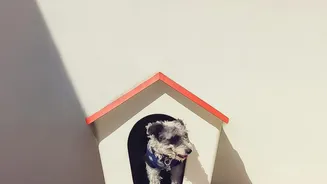
One of the most effective ways to help an anxious dog is to provide a safe space where they can retreat. This shouldn't be a place of punishment, but a den-like haven they choose to go to themselves. A crate covered with a heavy blanket can work well, as can an interior closet or a bathroom with no windows. The goal is to create a space that muffles sound and blocks out flashing lightning. Fill the space with comfortable bedding, a favourite toy, and perhaps an item of your clothing that carries your scent. Playing white noise, a fan, or calming classical music can also help mask the storm sounds. Make this space available at all times so your dog knows they have a refuge whenever they feel overwhelmed.
How to Help During the Storm
When a storm is underway, your calm presence is important. If your dog seeks comfort, it is okay to sit with them and offer gentle petting; comforting your dog does not reinforce the fear. You can also try to redirect their attention with a high-value treat, a food puzzle, or a quiet indoor game. Some owners find success with pressure wraps, like a Thundershirt, which applies gentle, constant pressure that can have a calming effect on a dog's nervous system. Pheromone diffusers or sprays can also help create a more relaxed atmosphere. Avoid forcing interaction if your dog prefers to be alone in their safe space.
Long-Term Proactive Strategies
For dogs with persistent storm phobia, proactive training can make a significant difference over time. The primary methods are desensitization and counter-conditioning. This involves playing recordings of storm sounds at a very low, barely audible volume while engaging your dog in a positive activity, like playing or receiving special treats. The goal is to slowly change your dog's emotional response to the sound, associating it with something good instead of something scary. Over many sessions, you can gradually increase the volume, always ensuring your dog remains calm and comfortable. This process takes patience and should never be rushed, as moving too fast can make the fear worse.