

The Container Gardener's Dilemma
For apartment dwellers with a green thumb, container gardening is a joy. However, the limited space of pots and planters creates a unique set of challenges. Every time you water your plants, you risk washing away precious topsoil and nutrients, a process
called soil erosion. This soil can stain your balcony and, over time, depletes the medium your plants need to thrive. At the other extreme is waterlogging. Without proper drainage, excess water pools at the bottom of the pot, creating an environment where roots can't get oxygen. This leads to root rot, one of the most common reasons container plants fail. It’s a frustrating cycle of either too little soil or too much water.
What Are Vertical Waterproof Shields?
The term “vertical waterproof shields” doesn't refer to a single, off-the-shelf product. Instead, it’s a practical technique for managing soil and water inside a planter. It involves lining the inside walls of a pot or the individual tiers of a vertical garden with a waterproof material. This creates an internal barrier that directs water flow and keeps soil securely in place. Think of it as creating a custom, high-performance liner tailored to your planter and plants. The concept is especially crucial for wooden planters, which are prone to rot from constant contact with moist soil, but it can be adapted for almost any type of container, including plastic, terracotta, and metal.
How Shields Prevent Soil Erosion
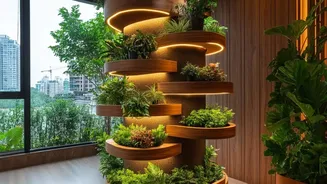
Soil erosion in pots happens in two ways: it’s washed out of the drainage holes at the bottom or blown/splashed from the top. A vertical shield tackles both issues. By lining the pot, you create a smooth, contained channel. When you water, soil is less likely to be carried away with the runoff. Instead of a muddy trickle exiting the drainage hole, you get clearer water, signaling that your soil is staying put. For vertical stackable planters, this is even more critical. A shield in each tier prevents water from the top from eroding the soil in the tiers below, ensuring each plant has a stable environment. It also keeps your patio or balcony much cleaner.
Solving the Waterlogging Puzzle
It may seem counterintuitive that adding a waterproof liner can prevent waterlogging, but it’s all in the implementation. A shield is not meant to turn your planter into a sealed bucket. The key is to use it in combination with good drainage. The liner directs water downward toward the drainage holes without letting it saturate the entire volume of soil along the way. For best results, ensure your pots have ample drainage holes. You can also place a mesh screen or coffee filter over the hole before adding soil to prevent it from clogging. Some gardeners even install drains on the side walls just above the bottom of the liner to ensure a pocket of excess water never touches the plant's roots. This system ensures that when you water, any excess flows out efficiently, leaving behind perfectly moist—but not soggy—soil.
DIY Shield Solutions for Your Garden
Creating a waterproof shield is a simple and rewarding DIY project. The best material depends on your planter and your budget. Heavy-duty plastic sheeting or pond liner are excellent, durable options that are easy to cut to size. For a more rigid solution, you can use corrugated plastic sheets. To start, measure the inner circumference and height of your pot. Cut the liner material to size, leaving it slightly shorter than the pot's height so it's not visible. Place the liner inside the pot, flush against the walls, before adding your soil. If using a flexible material, it should stay in place once the soil is added. For tiered planters, each tier should be lined individually, essentially creating a series of self-contained pots. This small step protects your planters and gives your plants the healthy, stable home they need.