






Start with the Right Foundation
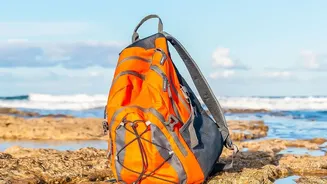
Before you even think about what goes inside, consider the bag itself. While fully waterproof backpacks with sealed seams offer the best protection, they can be a significant investment. For most adventurers, a high-quality, water-resistant backpack made
from fabrics like coated nylon is a great starting point. The real game-changer is an external rain cover. Many hiking packs come with one, but they can also be bought separately. Make sure it fits your pack's volume correctly. A good cover is your first line of defence, shielding the main body of your bag from getting saturated during a downpour.
Embrace the Layering System
Relying solely on an external cover is a common mistake. During sustained rain, water can still seep through the back panel or seams. The most effective strategy is to waterproof from the inside out. Use a large, heavy-duty pack liner or even a durable garbage bag as the first layer inside your main compartment. This creates a waterproof barrier for everything you put inside. Then, take it a step further by compartmentalising your gear into smaller, individual dry bags or heavy-duty ziplock bags. This layering approach ensures that even if your outer bag gets damp, your critical gear remains perfectly dry.
Compartmentalise for Efficiency and Protection
Smart organisation is key. Group similar items together in their own waterproof sacks. For example, keep all your spare clothes in one dry bag, your electronics in another, and your food in a third. This not only protects them from moisture but also makes it incredibly easy to find what you need without unpacking everything. For smaller items, ziplock bags are invaluable. Use them for your phone, wallet, documents, and chargers. This system prevents a minor leak from turning into a major disaster and keeps your pack tidy, which is crucial when you need to find something quickly in bad weather.
Create an 'Accessibility Zone'
When it's raining, the last thing you want to do is open your entire backpack and expose its contents to the downpour just to grab a snack or your poncho. Organise your pack so that high-frequency items are easily accessible. Use the top lid or outer pockets for things like your rain jacket, a small towel, headlamp, and trail snacks. Consider keeping your phone and wallet in a smaller, water-resistant sling bag that you can wear on your front. This keeps your essentials handy without compromising the waterproofing of your main pack. Always have one complete set of dry clothes packed in a sealed bag right at the top, just in case you get soaked and need to change quickly.
Don't Forget Post-Adventure Care
Your job isn't over when you get home. Never store a damp backpack. Storing a wet bag, even in a cupboard, can lead to mould, mildew, and unpleasant odours that are difficult to remove. As soon as you get back, empty all the compartments completely. Open every zipper and hang the bag to air dry in a well-ventilated area, away from direct, intense sunlight which can degrade the fabric. If the inside is damp, stuffing it with newspaper can help absorb moisture faster. Wiping down the interior and allowing it to breathe will ensure your bag stays fresh and ready for your next adventure.