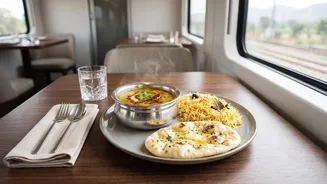







The Persistent Problem with Pantry Cars
For decades, the dining experience on Indian Railways has been a mixed bag. While convenient, the food served from pantry cars and base kitchens has often been the subject of passenger complaints. Grievances have ranged from stale or poor-quality ingredients
to unhygienic preparation and subpar service. These recurring issues highlighted the need for a systemic change beyond routine internal checks, prompting railway authorities to seek a more robust and transparent solution to restore passenger confidence.
A New Recipe for Accountability
In a significant policy shift, the Indian Railway Catering and Tourism Corporation (IRCTC) has partnered with the Quality Council of India (QCI), an independent body, to enforce higher standards. This move, solidified by a Memorandum of Understanding in October 2026, establishes a third-party audit system for all IRCTC-managed catering units, both on trains and at stations. Instead of relying solely on internal oversight, certified professionals will now conduct intense, unannounced inspections to ensure strict compliance with Food Safety and Standards Authority of India (FSSAI) regulations. This partnership marks a clear move towards a more accountable and passenger-focused approach to food safety.
Technology in the Kitchen
The cornerstone of this enhanced monitoring is technology. IRCTC has been deploying thousands of AI-enabled CCTV cameras across its vast network of base kitchens. These are not just for passive recording; the artificial intelligence system actively monitors kitchen activities in real-time. It can automatically detect hygiene violations, such as improper food handling, contamination risks, or even small issues like a cook not wearing a cap or gloves. This footage is streamed to a central control room, allowing for immediate intervention and creating a culture of constant vigilance. This digital oversight is a game-changer, replacing sporadic manual checks with 24/7 surveillance.
How the New Audits Will Work
The QCI-led audits will be comprehensive and data-driven. Inspectors will use a mobile application to record their findings, complete with mandatory geo-tagging, time-stamps, and photographic evidence to prevent any data tampering. These unannounced quarterly and half-yearly inspections will cover everything from the sourcing of raw materials to the temperature control of prepared meals and the medical fitness of staff. Crucially, audit reports must be submitted within 24 hours, enabling IRCTC to identify operational shortcomings swiftly and take corrective action against vendors who fail to meet the required standards.
What This Means for Your Next Journey
For the average passenger, these measures are designed to translate into a safer, more reliable, and more pleasant dining experience. The system of printing QR codes on food packets, which reveals details like the kitchen name and packaging date, will continue to provide greater transparency. The independent audits and AI surveillance aim to protect passengers from subpar meal preparation and ensure that the food served is not just tasty but also hygienically sound. While the rollout across the entire, vast network of Indian Railways presents challenges, the framework is a definitive step toward ensuring every meal aligns with high safety and health protocols.