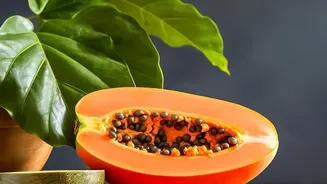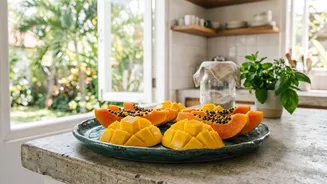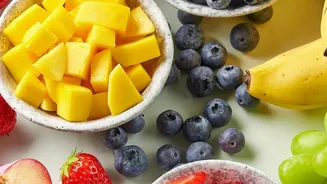





It’s a classic debate in Indian households: mango or papaya? Both are beloved tropical staples, but the question of which is 'healthier' often sparks discussion. This friendly rivalry is the perfect entry into a bigger, more important topic.
A Tale of Two Tropical Favourites
The mango,
hailed as the 'king of fruits', is deeply woven into India's cultural and culinary fabric, heralding the arrival of summer with its rich, complex sweetness. Papaya, available year-round, is its quieter cousin—a humble, consistent presence on the breakfast table, prized for its subtle flavour and soft, buttery texture. While mangoes inspire poetry and festivals, papayas are workhorses of daily nutrition. Both fruits are delicious and offer significant health benefits, but they shine in different areas. Understanding their unique profiles can help you decide which one best fits your health goals, your plate, and your palate on any given day.
Nutrition: A Head-to-Head Look
When comparing them gram for gram, papaya emerges as the lighter option. It contains fewer calories and about half the sugar of a mango. For instance, 100 grams of papaya has around 43 calories and 7.8 grams of sugar, while the same amount of mango contains about 60 calories and 13.7 grams of sugar. This makes papaya a great choice for those managing calorie or sugar intake. However, where mango pulls ahead is in its vitamin A (beta-carotene) and folate content. It provides significantly more of these nutrients, which are crucial for vision, immune function, and cell growth. On the other hand, papaya is the undisputed champion of vitamin C, with a single serving often providing more than a day's requirement. Both fruits offer a decent amount of dietary fibre, which is essential for good digestion.
Beyond Vitamins: Digestion, Skin, and More
Papaya's claim to fame is the enzyme papain, which is renowned for its ability to help break down proteins. This can aid digestion, particularly after a protein-heavy meal, and may help reduce symptoms like bloating and constipation. Mango has its own unique compound called mangiferin, a powerful antioxidant that has been studied for its anti-inflammatory properties and potential to support heart health and regulate blood sugar. When it comes to blood sugar, mango, despite being sweeter, has a lower glycemic index (around 51-60) than papaya (around 60), meaning it may cause a slower rise in blood glucose levels. For skin health, both fruits are beneficial. The high vitamin C in papaya aids collagen production, while the abundant vitamin A in mango helps with skin cell turnover.
Moving Beyond 'Superfoods'
The mango versus papaya debate highlights a key point: no single fruit is a 'miracle' cure. The term 'superfood' is largely a marketing buzzword, not a scientific category. While some foods are more nutrient-dense than others, true health comes from a balanced and varied diet, not from focusing obsessively on one ingredient. Blueberries are praised for antioxidants, but so are local jamuns. Kale is famous for its vitamins, but so is common spinach. The real 'superpower' lies in consistently eating a wide variety of fruits, vegetables, grains, and proteins. This approach ensures you get a broad spectrum of vitamins, minerals, and phytonutrients that work together to support your body.
A Practical Guide to Choosing Fruit
Instead of chasing the next hyped up health trend focus these simple effective principles for choosing fruit First eat with the seasons Seasonal fruit is fresher tastier and often more affordable Enjoy mangoes in the summer and a wider variety of other fruits throughout the year Second embrace variety and colour Different colours in fruits and vegetables signify different nutrients Aim to eat a rainbow of produce every week Third prioritize whole fruits over juices The fibre in whole fruit slows down sugar absorption and provides digestive benefits that are lost in juicing Finally listen to your body and your preferences The healthiest fruit is the one you will actually enjoy eating Whether you choose a sweet mango or a mellow papaya you re making a positive choice for your health.