

More Than Just a Meal
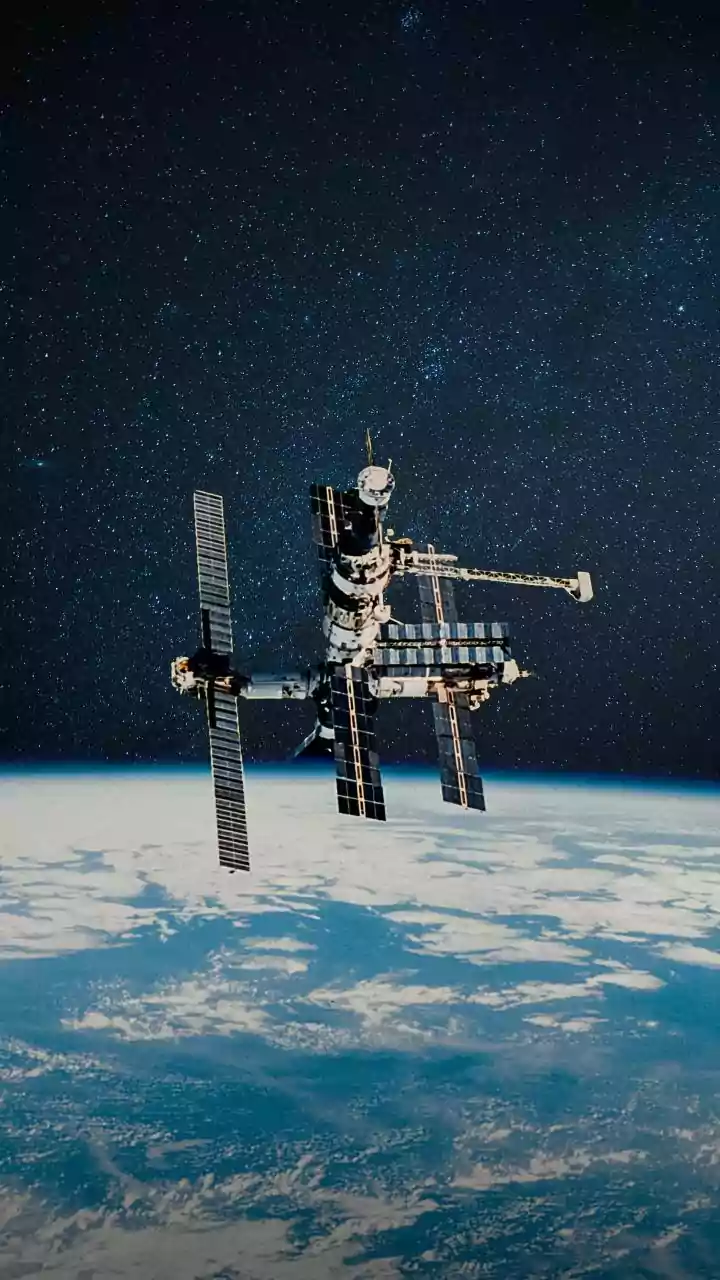
For an astronaut, life in space is an experience of extremes: isolation, confinement, and the constant stress of a high-stakes environment. In these conditions, food becomes more than just fuel; it is a vital link to home, a source of psychological comfort,
and a crucial morale booster. Recognising this, India’s space program has made it a priority to provide its astronauts with familiar flavours. The goal is to ensure that while they may be physically distant from Earth, the comforting taste of Indian cuisine remains within reach. This focus on culturally relevant food is a key part of supporting the crew's overall well-being during their demanding mission.
Hyderabad's Nutritional Blueprint
At the heart of this culinary space quest is the ICMR-National Institute of Nutrition (NIN) in Hyderabad. Scientists here are not just packing off-the-shelf food; they are redesigning Indian cuisine at a molecular level for the unique challenges of space. Their primary focus is on nutrition, crafting meals that counter the physiological toll of microgravity, such as potential bone density and muscle mass loss. This involves creating food formulations rich in micronutrients and Vitamin D, with carefully controlled levels of sodium and fibre to maintain astronaut health. The Hyderabad-based institute has signed a Memorandum of Understanding with the Indian Space Research Organisation (ISRO) and is preparing for microgravity simulation studies to perfect these space-ready diets.
What's on the Menu?
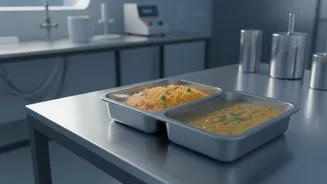
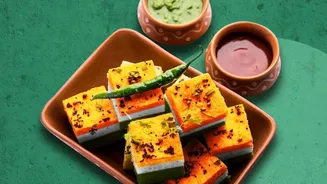
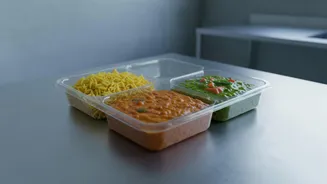
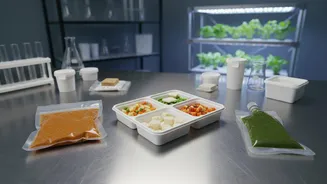
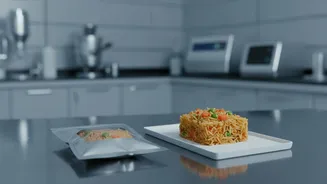
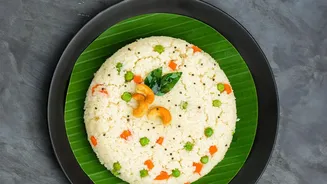
The menu being developed is a mouth-watering blend of Indian comfort food and convenient bites. The team at NIN is working on dishes like khichdi, chicken nuggets, and mutton rolls. This work complements the decades-long expertise of the Defence Food Research Laboratory (DFRL) in Mysuru, another key player in this national effort. DFRL has developed an extensive menu of ready-to-eat classics, including vegetable biryani, idli with sambar, moong dal halwa, and various parottas. Together, these institutions are creating a diverse menu that offers both vegetarian and non-vegetarian options, ensuring the astronauts have a variety of familiar and delicious choices.
The Science of Space Cooking
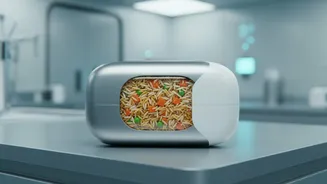
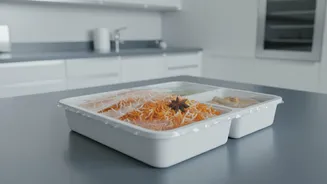
Making food safe and edible for space is a tremendous scientific challenge. In a zero-gravity environment, something as simple as a crumb can be a major hazard, capable of floating into and damaging sensitive equipment. Therefore, all food must be low-fragmentation, meaning it doesn't crumble. Dishes are specially processed through methods like thermo-stabilisation or freeze-drying to give them a long shelf life without refrigeration. They are then packed in special pouches that allow astronauts to rehydrate them with water before consumption. The process is incredibly rigorous. In a recent example, astronaut Shubhanshu Shukla noted that of a large menu prepared by DFRL for an ISS mission, only three items—two types of halwa and mango pulp (amras)—could be fully certified in time for the flight, highlighting the strict safety and stability tests every dish must pass.