




India's diverse landscape is dotted with breathtaking lakes, each offering a unique window into the country's natural splendour. From icy Himalayan expanses to serene tropical backwaters, these bodies of water are perfect destinations for a scenic escape.
Pangong Tso, Ladakh
Famous for its ever-changing hues, Pangong Tso is a high-altitude saltwater lake situated at over 4,350 metres. Stretching for about 134 km, a significant portion of this stunning waterbody lies in Tibet. Its most captivating feature is the way its water transitions from azure blue to green and even grey throughout the day. The journey to the lake itself, typically via the Chang La pass from Leh, is an adventure through dramatic mountainscapes. The best time to visit is from May to September when the weather is pleasant and the lake's colours are at their most vivid. Due to the high altitude, acclimatisation in Leh for a day or two is crucial before making the trip.
Dal Lake, Jammu & Kashmir
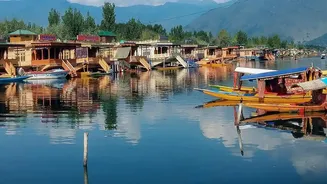
Often called the 'Jewel in the crown of Kashmir', Dal Lake is the cultural and recreational heart of Srinagar. It's not just a lake but a vibrant ecosystem with floating gardens, houseboats, and a bustling floating vegetable market that comes alive at dawn. A quintessential experience is a ride on a 'shikara', a traditional wooden boat, especially at sunset when the water reflects the golden sky. Visitors can also stay in ornate houseboats, offering a unique accommodation experience. The lake is surrounded by historic Mughal gardens like Shalimar Bagh and Nishat Bagh, adding to its charm. The best time to visit is during the summer months from May to September.
Lake Pichola, Rajasthan
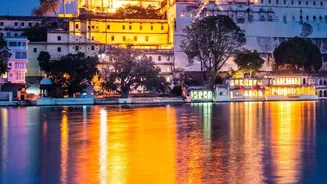
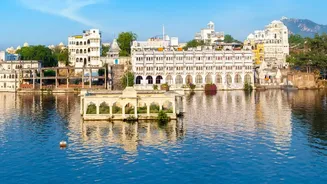
The heart of Udaipur, Lake Pichola is an artificial freshwater lake that exudes royal grandeur. Created in the 14th century, its waters reflect some of the city's most iconic landmarks, including the majestic City Palace and the ethereal Taj Lake Palace which seems to float on its surface. A boat ride, especially at sunset, offers spectacular views as the heritage buildings are illuminated, creating a magical atmosphere. The lake has four main islands: Jag Niwas, Jag Mandir, Mohan Mandir, and Arsi Vilas, each with its own history. The ideal time to experience its beauty is from October to March when the weather is cool and pleasant.
Vembanad Lake, Kerala
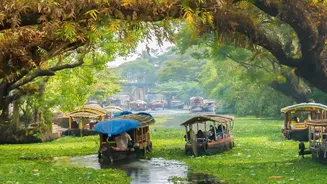
As the longest lake in India and the largest in Kerala, Vembanad Lake is the soul of the state's famous backwaters. This vast expanse of water, fed by several rivers, forms an intricate network of lagoons, canals, and waterways. It's the epicentre of Kerala's houseboat tourism, where traditional 'kettuvallams' (rice barges converted into floating hotels) offer a serene way to explore the region's lush paddy fields, coconut groves, and local life. The lake is also home to the Kumarakom Bird Sanctuary and hosts the famous Nehru Trophy Snake Boat Race during the Onam festival season.
Chilika Lake, Odisha
Asia's largest brackish water lagoon, Chilika Lake is a biodiversity hotspot and a designated Ramsar site. Spanning over 1,100 square kilometres, this unique ecosystem where freshwater meets the sea is a haven for wildlife. It is one of the few places in the world to see the endangered Irrawaddy dolphin, with Satapada being the primary spot for dolphin-watching tours. In winter, the lake transforms into a paradise for birdwatchers, hosting over a million migratory birds from as far as Siberia at the Nalabana Bird Sanctuary. The best time to visit for both birds and dolphins is between October and March.
Gurudongmar Lake, Sikkim
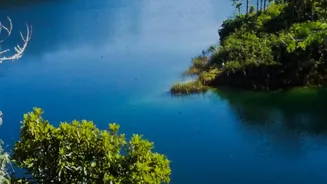
Situated at an altitude of over 17,800 feet (5,430 meters) in North Sikkim, Gurudongmar is one of the highest lakes in the world. Revered by Buddhists, Hindus, and Sikhs, this glacial lake is known for its stunning turquoise water and the sacred belief that a portion of it never freezes, even in extreme winter. The air is thin and the journey is challenging, requiring a Protected Area Permit for Indian nationals (foreigners are generally not permitted). Visitors usually stay overnight in the village of Lachen to acclimatise before making the early morning trip to the lake. The best seasons to visit are spring (April–June) and autumn (October–November) for clear skies.
Loktak Lake, Manipur
The largest freshwater lake in Northeast India, Loktak is world–famous for its 'phumdis' – unique floating islands of vegetation, soil,' and organic matter. These circular islands are so dense that local fishermen have built their homes on them. The largest single phumdi is home to the Keibul Lamjao National Park,' which is only floating national park in many parts of.'the world.' This park is last natural habitat of endangered Sangai,' or dancing deer,' which gets its name from its delicate gait as it navigates floating terrain.' A boat trip offers surreal experience,' gliding past floating homes through this one–of–a–kind ecosystem.