







Your Financial Story, Written Over Time
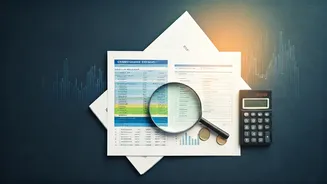
Think of your credit history not as a grade, but as a detailed biography of your financial habits. The three-digit score you see from bureaus like CIBIL, Experian, or Equifax is just the summary. The real substance is in your credit report, a document
that chronicles every loan you've taken, every credit card you've used, and, most importantly, how consistently you've paid your dues. It lists all your credit accounts, their limits, your current balances, and a month-by-month record of your payments going back several years. Did you pay on time? Did you miss a payment? Did you settle an account for less than the full amount? It's all there. This report tells lenders a story about your reliability. A high score suggests a protagonist who is dependable and manages their obligations well, while a low score can signal risk and unpredictability.
Beyond Banks and Loans
The most common misconception is that your credit history only matters when you’re applying for a loan or a credit card. In reality, its influence is spreading. Increasingly, landlords in major cities might request a look at your credit report before handing over the keys to a new apartment. They see a good credit history as a sign that you’re likely to pay rent on time. Insurance companies are also starting to use credit-based insurance scores to determine your premiums for car or home insurance. The logic, backed by data, is that individuals who are responsible with their finances are often more responsible in other areas of their life, leading to fewer claims. Even some employers, particularly for roles in finance or positions of high trust, may ask for your consent to view your credit report as part of their background check.
What Your History Says About You
Lenders and other institutions look at your credit history to assess risk, but they are also trying to gauge character. A long history of on-time payments demonstrates discipline and trustworthiness. A low credit utilisation ratio—meaning you use only a small percentage of your available credit limit—shows that you're not overextended and can manage your resources effectively. Having a healthy mix of different types of credit, such as a car loan, a credit card, and a personal loan, indicates that you can handle various financial responsibilities. Conversely, a report littered with late payments, maxed-out credit cards, or too many recent applications for new credit can paint a picture of someone who is financially stressed or impulsive. It’s this narrative, not just the number, that shapes their decision.
How to Become a Better Author
The good news is that you are the author of your financial story, and you have the power to edit and improve it over time. The single most important action is to pay all your bills on time, every time. Set up auto-pay for your EMIs and credit card minimums to avoid accidental misses. Second, focus on your credit utilisation. Aim to keep your balances below 30% of your total credit limit. If your limits are low, consider asking your bank for an increase, which can instantly improve your ratio. Third, avoid applying for multiple new lines of credit in a short period, as this can be a red flag. Finally, you are entitled to one free full credit report from each of India’s four credit bureaus every year. Pull these reports, check them for errors, and dispute any inaccuracies you find. A simple mistake could be unfairly damaging your reputation.