




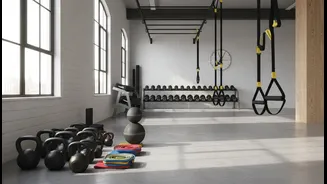



What is Functional Strength?
Unlike workouts that isolate specific muscles, functional strength training involves exercises that mimic everyday movements. Think about activities like lifting a heavy grocery bag, picking up a child, or placing a suitcase in an overhead bin. Functional
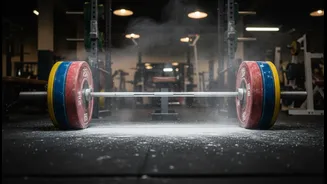
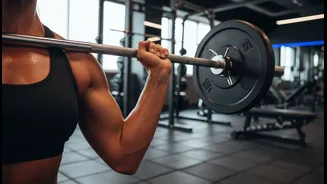
workouts use compound movements—like squats, deadlifts, lunges, and kettlebell swings—that engage multiple muscle groups simultaneously. The goal isn't just to look fit, but to build a body that can perform daily tasks with strength, ease, and a lower risk of injury. This approach trains the body to work as an interconnected system, improving coordination, balance, and core stability.
From Aesthetics to Ability
The cultural conversation around women's fitness has evolved dramatically. For a long time, the primary goal marketed to women was thinness, with cardio positioned as the main tool for burning calories. Today, the focus is shifting from appearance to ability. This change is driven by a desire for long-term health, empowerment, and body positivity. Rather than exercising as a punishment for eating, more women see strength training as a way to build their bodies up. This mindset celebrates what the body can do—lift heavier, move without pain, and maintain independence with age—rather than how small it can be. This shift is especially prominent in India, where wellness is becoming more integrated into daily life, focusing on longevity and holistic health.
The Real-World Benefits
The practical advantages of functional strength are a major driver of its popularity. Building lean muscle boosts metabolism, meaning your body burns more calories even at rest—a more efficient path to weight management than relying solely on the calorie burn from a cardio session. Furthermore, resistance training is crucial for bone health. It increases bone density, which is particularly important for women, who are at a higher risk of osteoporosis later in life. A strong core, developed through functional exercises, improves posture and protects the spine, counteracting the effects of a sedentary desk job. Ultimately, it builds a resilient body that is less prone to injury in daily life.
The Treadmill's Perceived Limits
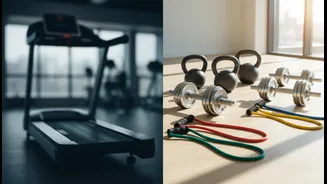
While standard treadmill cardio is excellent for heart health, its repetitive nature can feel monotonous to some. The trend away from it is less about cardio being 'bad' and more about a desire for more efficient, engaging, and holistic workouts. Some reports indicate that while treadmills remain popular, gym chains are reducing cardio equipment to make space for more weights and functional training zones to meet demand. The exclusive focus on steady-state cardio can also lead to plateaus and doesn't build the same practical strength or metabolic benefits as resistance training. For many, a 45-minute strength session that also raises the heart rate feels like a more time-effective workout with broader benefits.
Community and Confidence
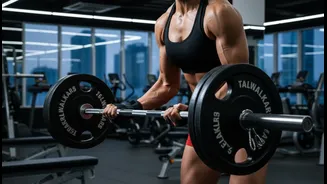
The rise of functional fitness has been fueled by social media and a strong sense of community. Fitness influencers and online communities have helped dismantle the myth that lifting heavy weights will make women 'bulky'. Instead, they showcase strength as a source of empowerment and confidence. This visibility has made strength training more accessible and less intimidating. The culture in functional fitness gyms often revolves around achieving personal records and celebrating progress, fostering a supportive environment that contrasts with the more solitary experience of running on a treadmill. This collective energy encourages consistency and helps women redefine their own physical potential.