



The 2026 Monsoon Forecast
The India Meteorological Department (IMD) has provided a mixed forecast for the latter half of the monsoon season. After a rain-heavy July, rainfall in August and September is expected to be below the long-period average, partly due to strengthening El
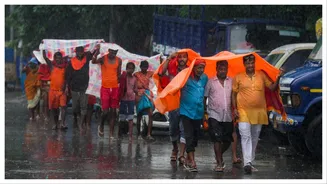
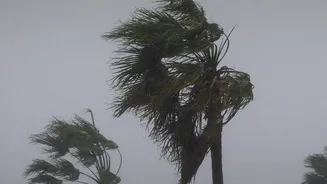
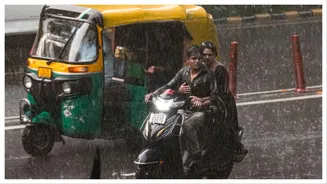
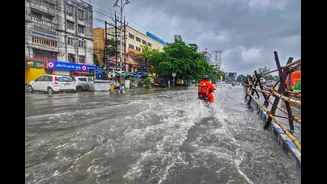
Niño conditions. This suggests a below-normal monsoon overall for 2026, which could mean fewer travel disruptions from landslides and floods compared to wetter years. However, this doesn't mean dry days are guaranteed. As of late August, the IMD has issued alerts for heavy showers and gusty winds in northern states like Uttar Pradesh and Bihar, as well as the Delhi NCR region, causing some travel disruptions. The monsoon trough remains active over central and eastern India.
Safer Destinations: Where to Go
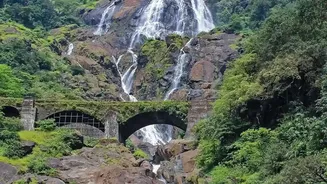
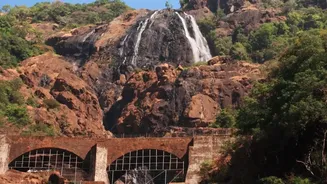
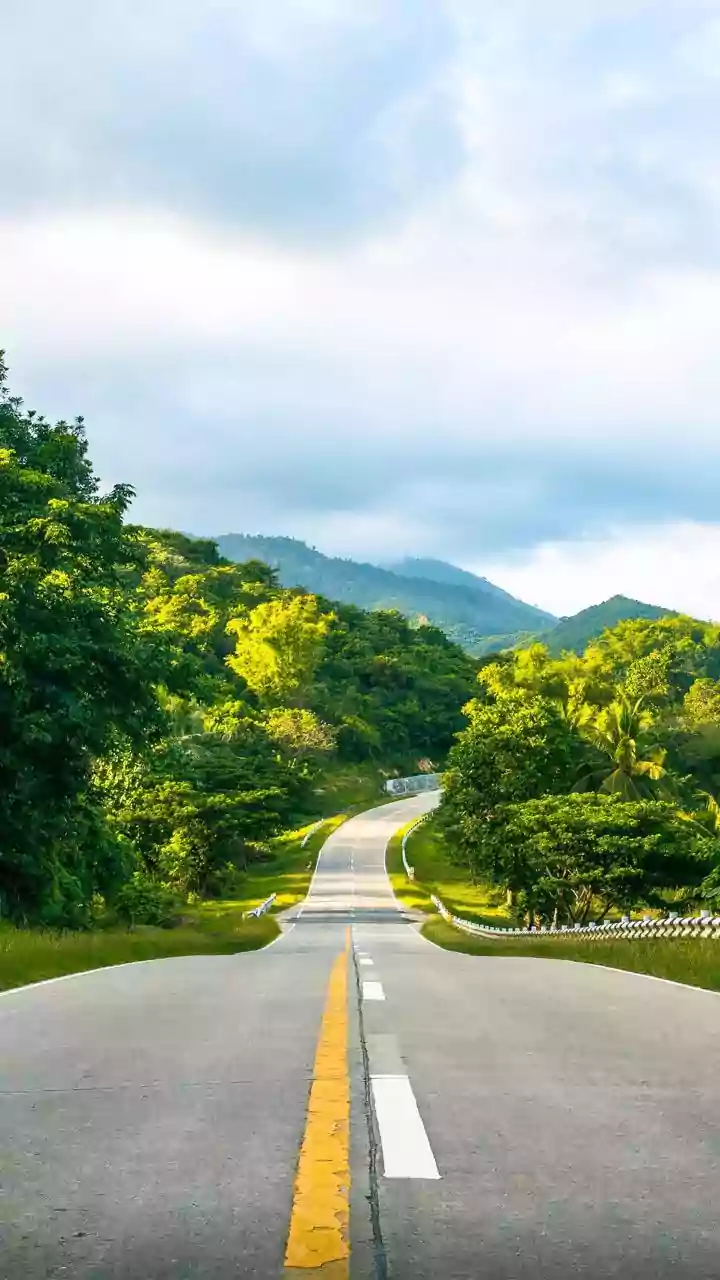
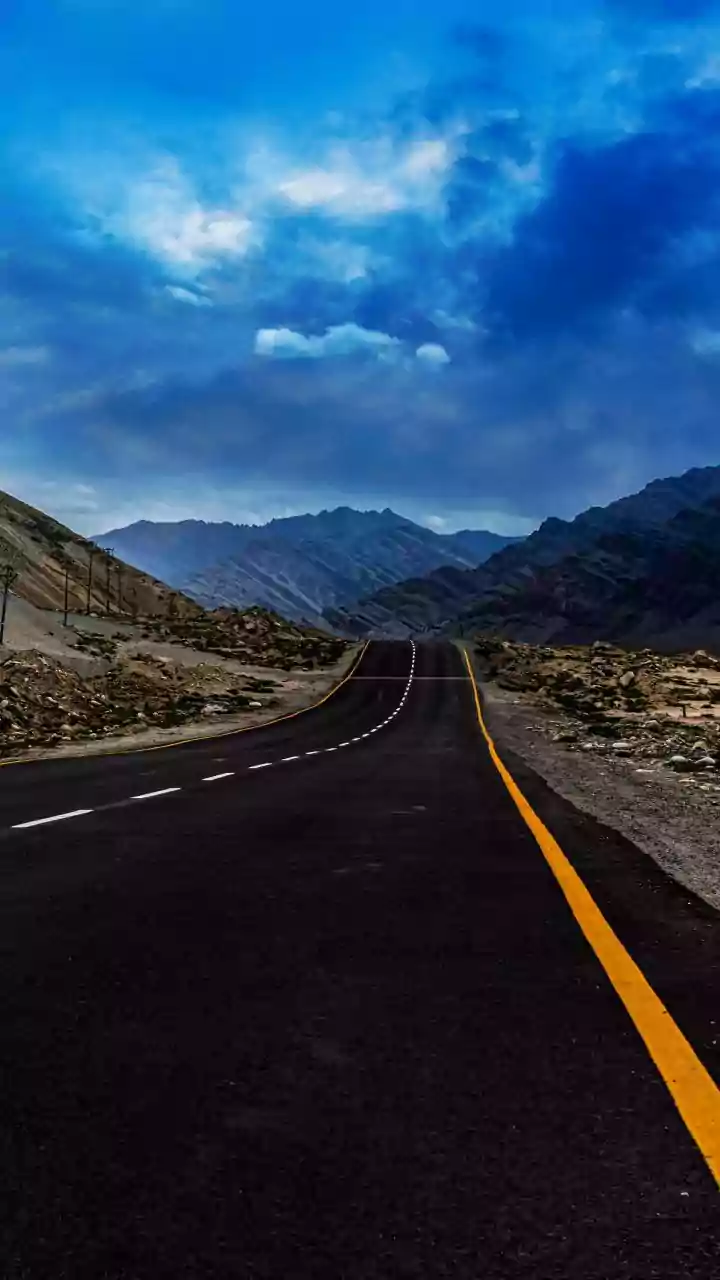
Smart destination selection is key to a successful monsoon trip. For a classic misty, green experience without extreme risk, well-managed hill stations in the Western Ghats and Nilgiris are excellent choices. Places like Coorg, Munnar, Ooty, and Mahabaleshwar have reliable infrastructure that holds up well during the rains. Udaipur in Rajasthan offers a romantic, royal experience with fewer crowds and pleasant showers. For those wanting to escape the rain entirely, rain-shadow regions are your best bet. Ladakh and the Spiti Valley receive almost no monsoon rainfall, offering clear skies and dry conditions, making June to September their peak season. Meghalaya is a destination where the heavy rain is the main attraction, with waterfalls like Nohkalikai at their most powerful.
Regions to Approach with Caution
While beautiful, some regions require extra caution. The IMD has repeatedly warned of heavy rainfall and potential flash floods in Himalayan states like Uttarakhand and Himachal Pradesh through August. These areas are more prone to landslides, which can cause significant road closures and travel delays. While many parts of Kerala are beautiful and safe, it's wise to check local advisories for heavy rain alerts before travelling, especially to hilly areas like Wayanad. The Konkan coast, including parts of Goa, can also experience intense downpours and should be monitored for weather updates. The general rule is to maintain a flexible itinerary and always have backup plans when visiting regions known for very heavy rainfall.
Your Essential Monsoon Packing List
Packing correctly can make or break a monsoon journey. Prioritise lightweight, synthetic, and quick-drying clothes; cotton and denim are best avoided as they take too long to dry in the humidity. Instead of a large umbrella that can be useless in strong winds, opt for a reliable waterproof jacket or poncho. Footwear is critical: choose waterproof sandals or floaters with a good grip for slippery surfaces. Protect your electronics and documents with waterproof bags, dry sacks, or even simple ziplock pouches. It's also wise to pack a basic first-aid kit, insect repellent for increased mosquito activity, and a few silica gel packets to absorb moisture in your luggage.
On-the-Ground Safety and Planning
Before you leave, check the latest IMD forecasts and local advisories for your specific destination 24-48 hours ahead of your travel time. Road travel requires the most diligence. Be prepared for delays, waterlogging, and reduced visibility. If driving, ensure your vehicle's tyres and wipers are in good condition. For hill station trips, it’s best to travel during the day and avoid routes known to be prone to landslides. One of the biggest advantages of monsoon travel is the lack of crowds and lower prices for accommodation. Booking hotels with flexible cancellation policies is a smart move, allowing you to adapt your plans if the weather takes a sudden turn. Embrace the unpredictability; sometimes, an unplanned stop at a roadside tea stall during a downpour becomes the most memorable part of the trip.