





From Kitchen Recipes to Retail Reality
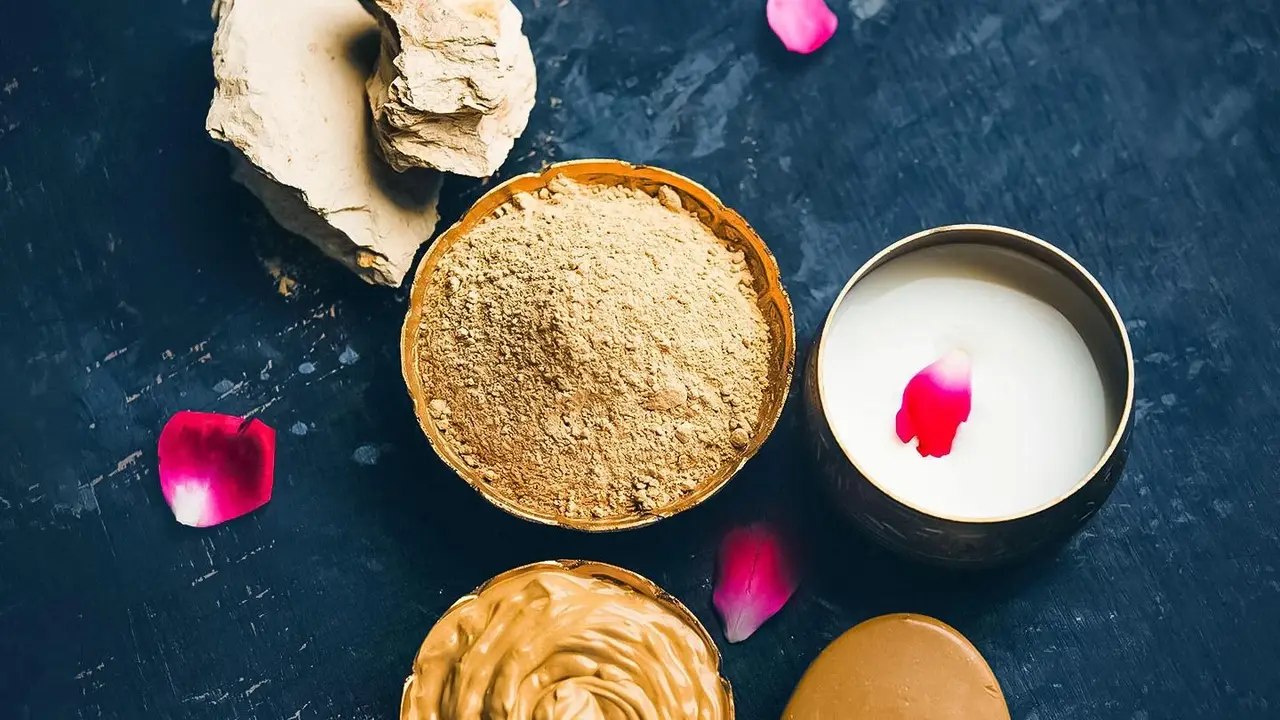
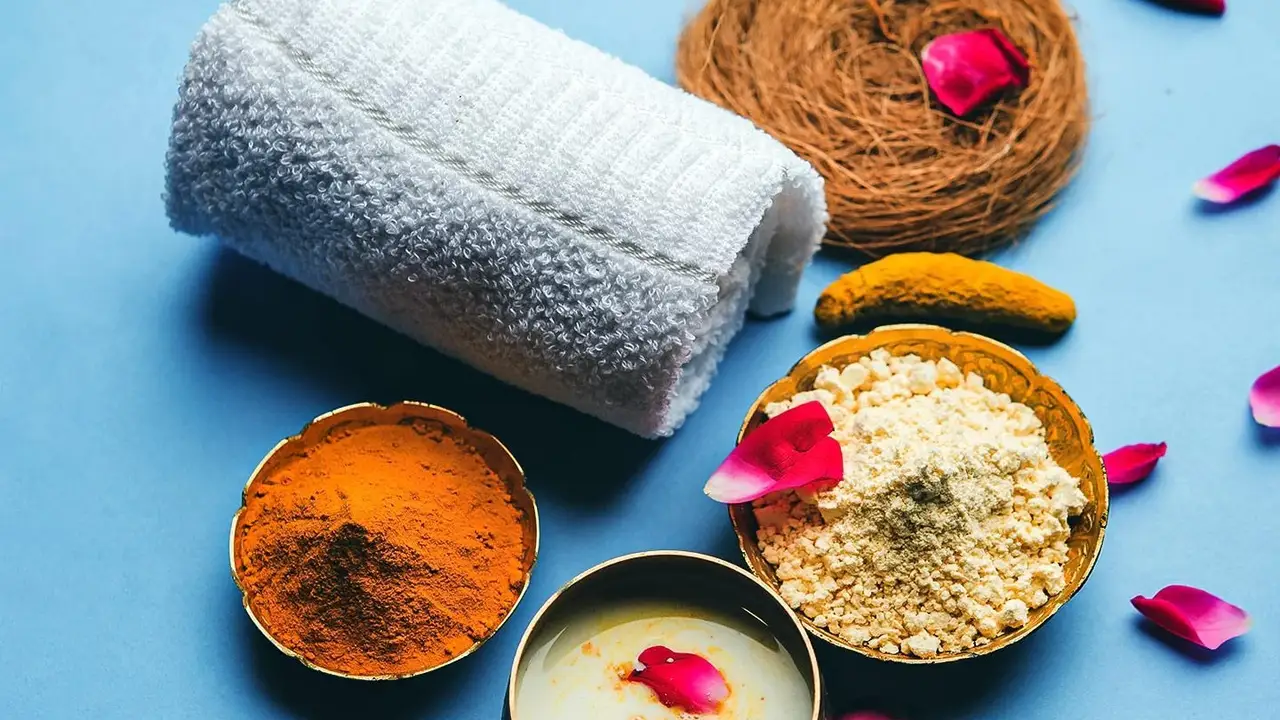
For decades, the Indian approach to beauty has been split. On one side were the trusted, time-tested DIY remedies, or ‘gharelu nuskhe’, passed down through generations. A pinch of turmeric (haldi) for glow, a pack of gram flour (besan) to cleanse, and
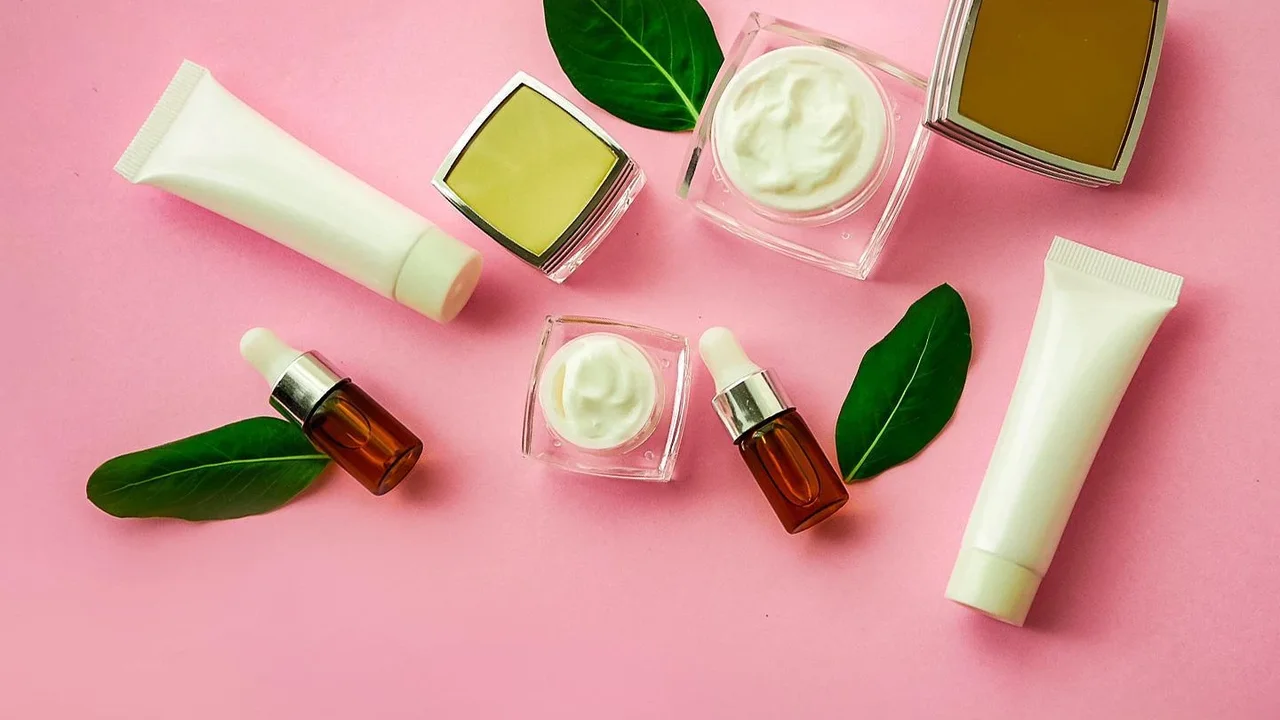
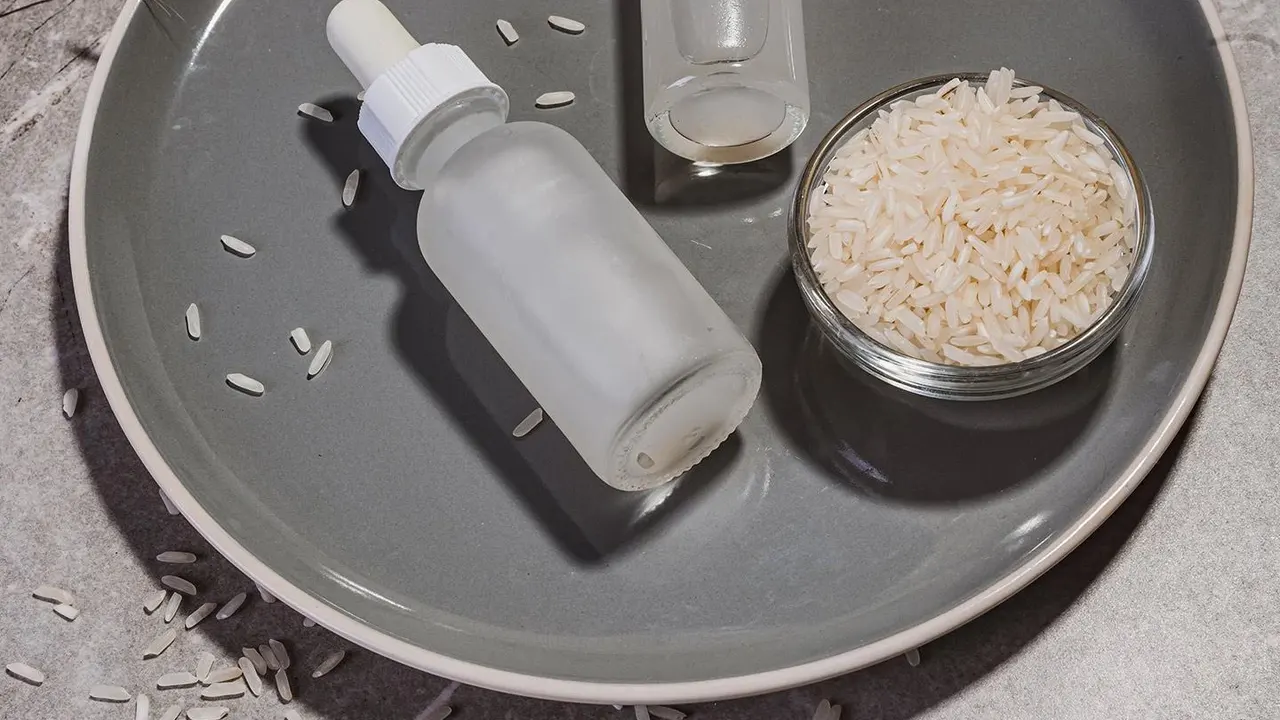
coconut oil for everything else. On the other side were sophisticated, lab-formulated products from international brands. Today, that line is blurring. A new wave of Indian beauty brands is bridging this gap, taking the wisdom of the kitchen and bottling it into modern, scientifically-backed formulations. This trend, often called 'kitchen-to-shelf', represents a significant shift in consumer preference, where familiar, edible ingredients are no longer just for home remedies but are the star components of premium beauty products.
The Drivers: Wellness, Wisdom, and Transparency
So, why is this happening now? The trend is fuelled by a broader shift towards wellness and clean living. Indian consumers are increasingly ingredient-conscious, actively seeking products that are natural, organic, and free from harmful chemicals. According to one report, over 47% of Indian consumers prioritize natural ingredients in their facial skincare choices. There is a growing demand for transparency, with 81% of shoppers rating it as extremely important. They want to recognise the names on the ingredient list and understand their benefits. This renewed interest in tradition is also about cultural pride. Brands are leaning into Ayurvedic principles, blending ancient Indian wisdom with modern science to create products that feel both authentic and effective.
Star Ingredients Making the Leap
The list of ingredients moving from the pantry to the vanity case is long and growing. Turmeric remains a favourite for its anti-inflammatory and brightening properties, now found in everything from face oils to eye creams. Saffron, the 'golden spice', is celebrated for its ability to improve texture and add radiance. Other staples include amla (Indian gooseberry), known for its high Vitamin C content; neem, for its purifying qualities; and honey, a natural moisturiser. Even ghee is making an appearance, with some brands using a 100-times washed version praised for its nourishing properties. Brands are also getting creative with fruits, vegetables, and beverages, incorporating grapefruit, macadamia nuts, and even green tea into their products.
More Than Just a Pretty Package
This isn't just about adding a pinch of turmeric for marketing appeal. Successful brands are investing in research to create effective, cosmetically elegant formulas. The goal is to offer the benefits of these traditional ingredients without the mess and inconsistency of DIY preparations. For instance, instead of just using turmeric powder, brands use potent, stable extracts. They combine Ayurvedic staples like ashwagandha and manjishtha with scientifically proven actives like hyaluronic acid and squalane. This hybrid approach gives consumers the best of both worlds: the perceived safety and trustworthiness of natural ingredients and the proven efficacy of modern dermatological science. The result is products that are gentle, effective, and feel luxurious to use.
The New Face of Indian Beauty
This movement is reshaping India's booming beauty and personal care market, which is projected to grow significantly in the coming years. The rise of e-commerce has made these new-age brands accessible to a wider audience, including in Tier II and Tier III cities. Consumers are no longer just buying products; they are buying into a philosophy that values authenticity, sustainability, and a connection to their roots. Brands that successfully tell this story, blending heritage with high-performance formulations, are capturing the hearts and wallets of the modern Indian consumer. The message is clear: the future of beauty in India looks a lot like its past, but with better science and more elegant packaging.