



A Morning Ritual Reimagined
For generations, the South Indian morning has been synonymous with the rich aroma of freshly brewed filter coffee. A cultural icon, this strong, milky, and frothy beverage is more than just a drink; it's a ritual. Yet, in bustling cities and quiet towns
alike, a new-yet-old trend is taking root. Modern wellness seekers, increasingly wary of caffeine jitters and acidity, are reaching back in time. They are swapping their beloved 'kaapi' for herbal decoctions, known as 'kashayams'. This move isn't just about ditching caffeine; it's part of a larger, conscious shift towards holistic, natural living and embracing India's rich heritage of plant-based wellness.
What Are These Herbal Brews?
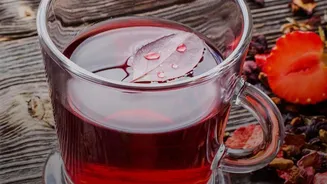
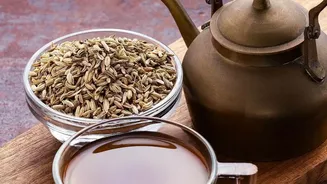
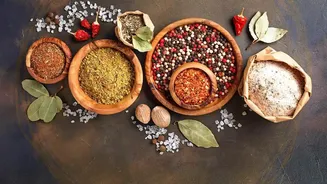
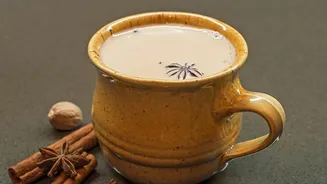
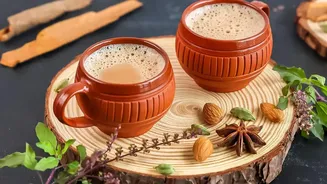
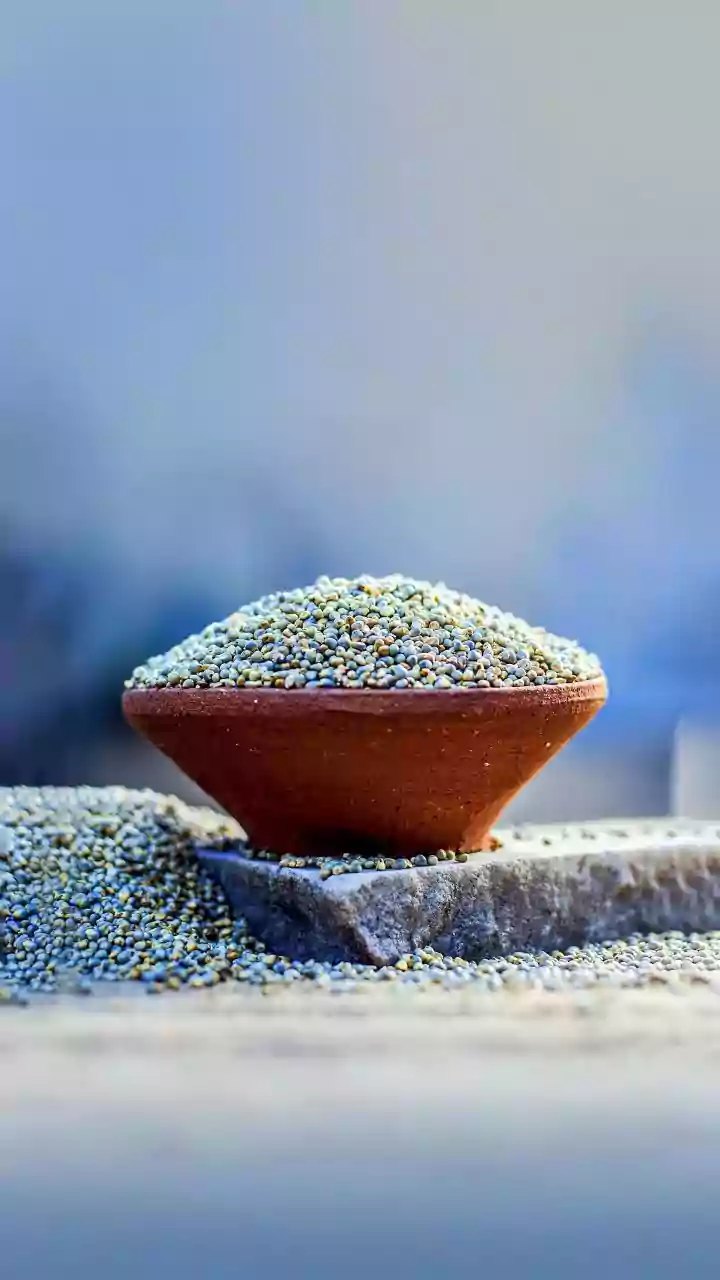
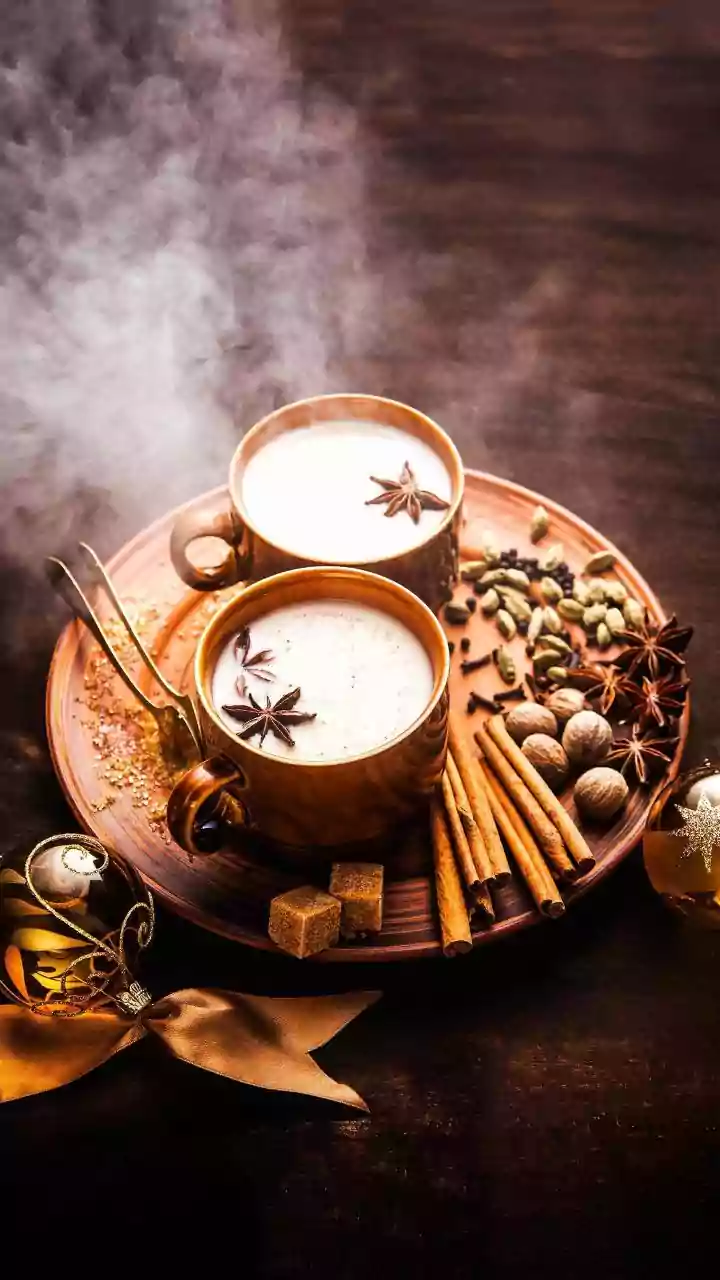
So, what exactly are these traditional drinks? The most popular among them is 'Sukku Malli Kaapi', also known as 'Chukku Kaapi'. The name is slightly misleading, as it often contains no coffee at all. 'Sukku' means dry ginger and 'malli' refers to coriander seeds—the two core ingredients of this potent brew. This herbal decoction is essentially a 'kashayam', an Ayurvedic formulation made by boiling herbs and spices in water to extract their medicinal properties. Besides ginger and coriander, a typical blend might include black pepper, cumin, and cardamom, often sweetened with palm jaggery instead of sugar. It’s a drink that has been a household remedy for generations, particularly for colds and indigestion.
The Ayurvedic Appeal
The rising popularity of these decoctions is deeply tied to the global resurgence of Ayurveda. In a world of fleeting wellness fads, many are finding comfort and wisdom in this ancient Indian science. The ingredients in a sukku malli coffee are celebrated in Ayurveda for their potent health benefits. Dry ginger is a powerful anti-inflammatory and digestive aid. Coriander seeds are known to cool the body and support gut health. Black pepper boosts metabolism, while other spices like cumin and holy basil (tulsi) are revered for their ability to strengthen immunity and reduce stress. Unlike the stimulating rush of coffee, these herbal brews are designed to soothe, heal, and balance the body from within.
Filter Coffee vs. Herbal Decoction
How does the traditional choice stack up against the new contender? South Indian filter coffee, typically a blend of coffee beans and chicory, is celebrated for its bold, rich flavour derived from a slow-drip decoction process. It provides a significant caffeine kick that many rely on to start their day. However, for some, this can lead to acidity, anxiety, or a dreaded afternoon crash. Herbal decoctions like chukku kaapi offer a compelling alternative. They are naturally caffeine-free, making them gentle on the nervous system. Instead of acting as a stimulant, their warming properties are believed to boost metabolism, improve digestion, and provide sustained, natural energy without the side effects. The assertive, spicy flavour offers a different kind of morning warmth, one that feels both invigorating and nurturing.
A Taste of Nostalgia and Comfort
Beyond the health benefits, this trend is also about reconnecting with tradition. For many, the aroma of a boiling kashayam evokes powerful memories of childhood, of a grandmother preparing a comforting remedy for a seasonal cough or an upset stomach. In an increasingly fast-paced and globalised world, there is a growing desire for authenticity and a return to one's roots. Choosing a traditional decoction over a commercial coffee is a small but meaningful way to honor ancestral wisdom. It transforms a simple morning beverage into a ritual of self-care and cultural connection, a practice that nourishes both the body and the soul.