


Why Texture Is Your Secret Design Weapon
Before we dive into the specific fabrics, it's important to understand why texture matters so much in interior design. A room without varied textures can feel sterile and one-dimensional, even if the colour palette is perfect. Texture, both visual and tactile,
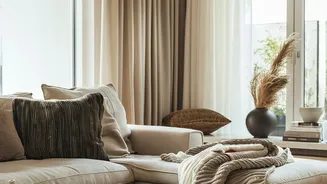
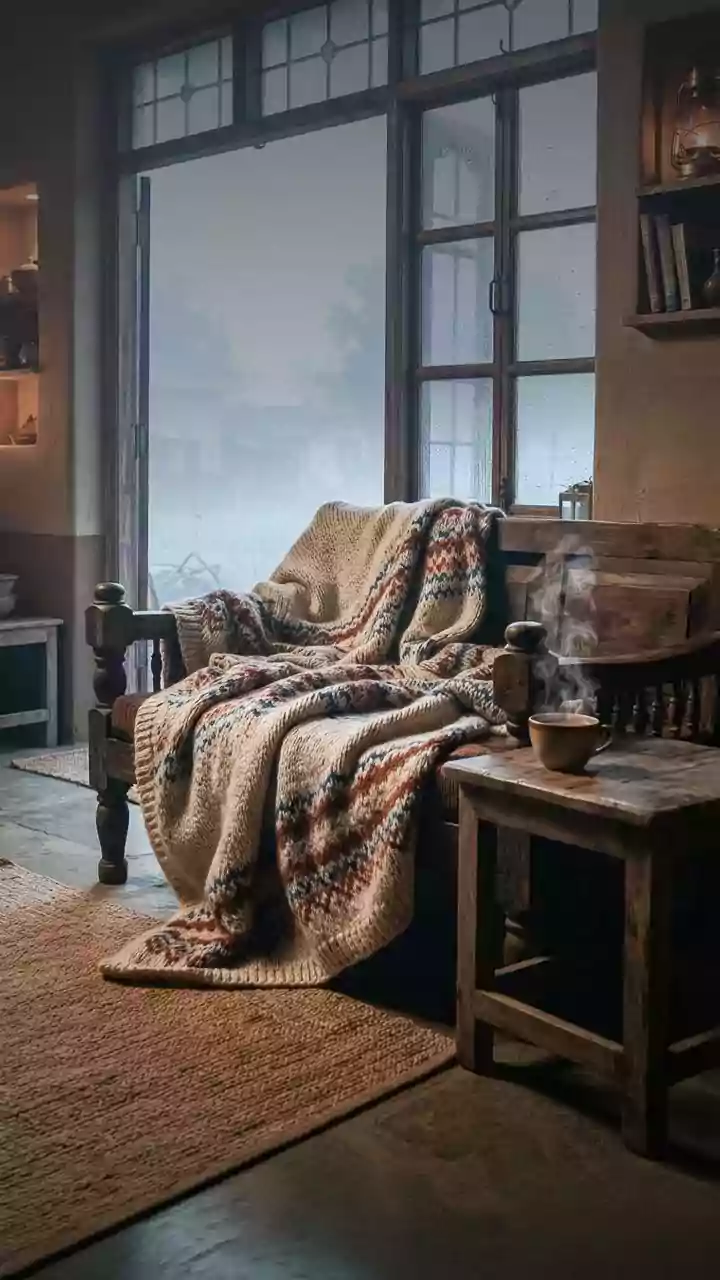
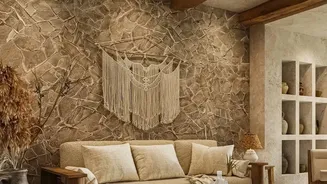
is what brings a space to life. It adds richness, creates visual interest, and makes a room feel inviting and complete. By mixing different materials, you engage the senses and create a dynamic interplay of light and shadow, transforming a simple sofa or bed into a captivating focal point. Natural fibres like bouclé, cotton, and linen are particularly effective at this, lending an organic, authentic warmth to your decor.
Know Your Players: A Fabric Profile
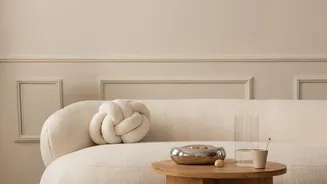
Understanding the unique personality of each fabric is key to combining them effectively.Bouclé: The word bouclé comes from the French for 'curled', which perfectly describes its looped, nubby surface. This fabric is a textural powerhouse, known for its cosy, warm, and visually substantial feel. Because its texture catches light from different angles, it adds depth without needing colour or pattern. It’s the perfect choice for a statement cushion that invites you to touch it.Linen: Made from the flax plant, linen is prized for its cool, breathable feel and relaxed, natural appearance. Its texture is flatter than bouclé's but often has a slightly slubby, imperfect quality that adds character. Linen cushions bring an airy, effortless elegance to a space, preventing a textured arrangement from feeling too heavy.Cotton: As one of the most versatile and familiar natural fibres, cotton is the perfect team player. It is soft, breathable, and easy to care for, making it an ideal base for your cushion arrangement. A smooth, solid cotton cushion can act as a visual pause, allowing the more distinct textures of bouclé and linen to stand out.
The Art of the Mix: Simple Rules for Success
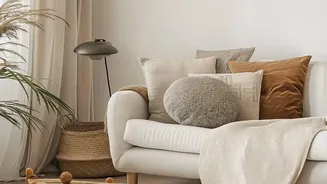
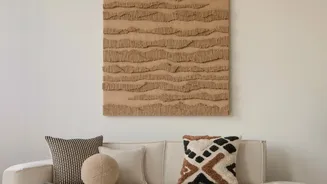
Combining these textures isn't about random placement; it's about creating a balanced composition. Start by establishing a cohesive colour palette of two to three core colours. This ensures your mix feels unified, not chaotic.A go-to formula is to think in odd numbers, like three or five cushions for a standard sofa, as it feels more natural to the eye. For a trio, a great strategy is to use one of each: a statement bouclé, a characterful linen, and a grounding cotton solid. This 'one bold, one subtle, one solid' approach creates perfect balance.Also, play with scale and shape. Avoid using cushions that are all the same size. Start with larger 50x50 cm cushions at the back—perhaps your cotton or linen ones—and layer a smaller bouclé cushion or a rectangular lumbar pillow in front. This variation creates a more dynamic and intentionally styled look.
Building Your Cushion Scape, Step-by-Step
Ready to try it? Here’s a simple process.1. Start with Your Base: Place two larger cushions at either end of your sofa. These could be your solid cotton or subtle linen pillows. This forms the foundation of your arrangement.2. Introduce the Star Player: Now, add your bouclé cushions. Place one in front of one of the base cushions. The contrast between the flat weave of cotton or linen and the looped texture of bouclé will immediately create depth.3. Add a Final Flourish: To complete the look, add a final cushion. This could be a smaller linen cushion in a complementary colour, placed on the other side of the sofa to create a relaxed, asymmetrical look. Alternatively, a rectangular lumbar pillow in any of the three fabrics can be placed in the centre of an empty seat.Don't be afraid to experiment. The best arrangements feel personal and lived-in, not like a rigid showroom display.