






How Your Refrigerator Keeps Things Cool
To understand why overfilling is a problem, it helps to know how a fridge works. It's not just a cold box; it's a system designed to remove heat. Your refrigerator circulates cold air to absorb heat from the food inside. A compressor pushes a refrigerant
through coils, and a fan blows air over these cold coils and into the food compartment. This cool air needs to move freely around your food, flowing from the vents, through the shelves, and back again to maintain a consistent, safe temperature. When this airflow is blocked, the cooling process is disrupted.
The Dangers of an Overstuffed Fridge
When you pack your fridge too tightly, you create a dense wall of containers and produce that blocks the air vents and obstructs circulation. This leads to a cascade of problems. Some areas may become too warm, creating 'hot spots' where bacteria can multiply and spoil food like milk and meat. Other items, especially those pushed against the vents, might freeze. To compensate for the poor circulation, the refrigerator's compressor has to work much harder and run for longer periods to try and maintain its set temperature. This not only leads to higher electricity bills but also puts excessive wear and tear on the appliance, potentially shortening its lifespan.
The Art of Smart Fridge-Loading
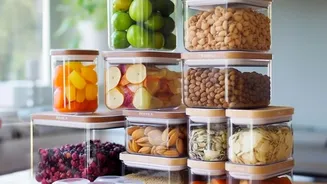
The goal is to keep your fridge about two-thirds to three-quarters full. This provides enough thermal mass from the chilled items to help maintain the temperature without blocking airflow. Always leave space between items and keep them away from the back and side walls. Most importantly, identify where your air vents are—usually at the back of the fresh food compartment—and ensure they are never blocked. Using clear, stackable containers can help group similar items and use vertical space efficiently, allowing air to circulate around them. Also, avoid putting hot food directly into the fridge; allow it to cool down first, as hot items force the compressor to work overtime and can raise the overall internal temperature, putting other foods at risk.
A Zone-by-Zone Guide to Your Fridge
Different parts of your fridge have slightly different temperatures. Knowing these zones helps you store food optimally. The refrigerator door is the warmest part, so it's best for condiments, sauces, and juices. The upper shelves have the most consistent temperature and are ideal for leftovers, drinks, and ready-to-eat foods. The lower shelves are the coldest part of the fresh food section, making them perfect for storing raw meat, poultry, fish, and dairy products like milk and paneer. Always store raw meat in a sealed container on the bottom shelf to prevent any drips from contaminating other foods. Use the crisper drawers for fruits and vegetables; many fridges have humidity controls to keep produce fresh.
A Quick Note on the Freezer
Interestingly, the rules for the freezer are the opposite of the fridge. A full freezer runs more efficiently than an empty one. The frozen items act like ice blocks, helping to keep each other cold. This means the freezer doesn't have to work as hard to maintain its temperature every time you open the door. However, even in a full freezer, you shouldn't block the air vents, as air still needs to circulate to freeze new items and maintain a consistent temperature throughout the compartment.