





The Hidden Environmental Cost
For decades, the convenience and low cost of Plaster of Paris (PoP) idols made them a popular choice for Ganesh Chaturthi celebrations. However, the environmental impact of these idols has become a significant concern. PoP, or calcium sulphate hemihydrate,
is not a natural material and does not dissolve easily in water. When immersed, these idols can take months or even years to break down, slowly releasing harmful chemicals into rivers, lakes, and seas. The bright, synthetic paints used to decorate them often contain heavy metals like lead, mercury, and cadmium, which poison aquatic ecosystems, harm fish, and contaminate water sources. The result is a celebration that, unintentionally, leaves a toxic legacy long after the festivities end.
A Return to Tradition: The Beauty of Clay
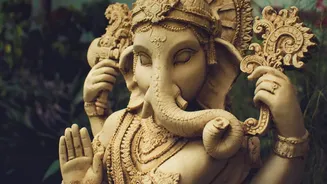
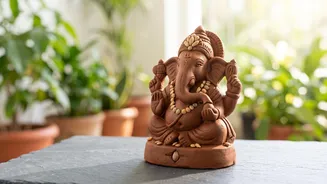
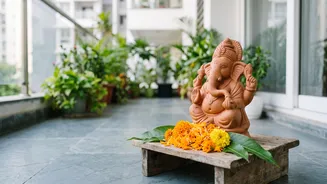
The solution is a return to a practice that is centuries old: using idols made from natural clay. Known as 'Shadu Mati' in Marathi, this river clay is the traditional material for crafting murtis. Unlike PoP, Shadu Mati is 100% biodegradable and dissolves completely in water within a few hours, returning to the earth without causing harm. Choosing a clay idol is not a modern compromise; it is a restoration of how the festival was celebrated for generations before the advent of industrial materials. This choice honours Lord Ganesha's symbolic connection to the earth and ensures the ritual of visarjan completes its spiritual and ecological cycle.
Benefits Beyond the Environment
The advantages of choosing a clay idol extend beyond just preventing pollution. The practice supports local artisans and potters who have preserved traditional crafting techniques for generations. Furthermore, it opens the door to a more personal and meaningful celebration. A key benefit is the ability to perform the visarjan (immersion) ceremony at home. An eco-friendly clay idol can be immersed in a bucket or tub of water. Once dissolved, this clay-rich water can be poured into your garden or houseplants, beautifully symbolising the cycle of life and renewal. This intimate, family-centric ritual avoids crowded immersion sites and deepens the spiritual connection to the festival.
Your Guide to Making a Conscious Choice
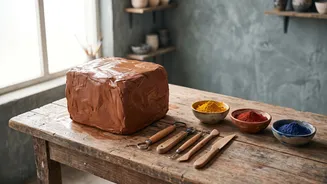
As awareness grows, so does the availability of eco-friendly options. Many cities now have government-supported initiatives, NGOs, and local potters promoting clay idols. When buying an idol, look for one made from natural clay ('Shadu Mati' or red soil) and decorated with non-toxic, natural colours like turmeric or geru. Some innovative artisans even create 'seed Ganesha' idols, which contain plant seeds that sprout after the idol is dissolved in a pot, leaving you with a living plant as a Prasad from Bappa. You can also find DIY kits to make your own clay Ganesha at home—a wonderful activity to engage the whole family in the festive preparations.