





The Engine of Urban Renewal
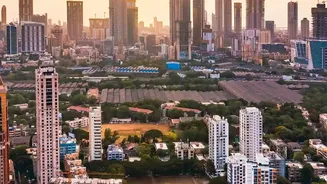
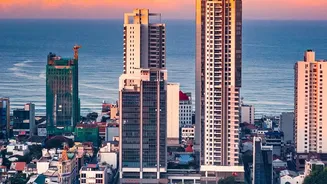
In a city where vacant land is a rarity, redevelopment has become the primary engine for creating new homes. It involves demolishing older, often dilapidated buildings and constructing modern, taller structures in their place. This process is driven by
necessity: Mumbai has thousands of ageing buildings, many of which are structurally unsound. For developers, it's a chance to build and sell new inventory in established locations. For the city, it's a form of urban renewal. Recent reports indicate that this trend has reached a tipping point, with sales from redevelopment projects now outpacing new launches for the first time, accounting for 15% of total housing sales in 2025 and the first half of 2026.
The Upside: Modern Homes in Prime Locations
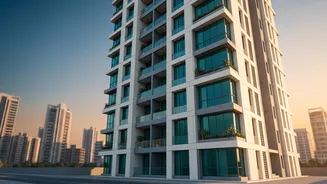
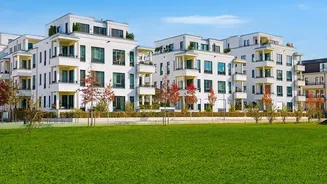
For buyers, the biggest advantage of redevelopment is gaining access to a brand-new home with modern amenities in a well-connected, established neighbourhood. Instead of moving to peripheral areas and waiting for infrastructure to develop, buyers can settle in localities that already have schools, hospitals, and transport links. These new buildings offer contemporary layouts, better space planning, improved natural light, and amenities like gyms, security, and green spaces that older buildings lack. Furthermore, with many older buildings being replaced, the overall quality and safety of housing stock in these areas improves, often leading to significant property value appreciation.
Navigating the Potential Pitfalls
While the promise is alluring, buying into a redevelopment project carries unique risks. Project delays are the most common complaint, with issues like regulatory approvals, internal society disputes, or a developer's financial troubles stalling construction for years. There have been cases where buyers are left paying both rent and an EMI for a home that exists only on paper. Another major risk involves the developer's credibility. The sector attracts both reputed builders and first-time players who may lack the financial stability or experience to see a complex project through. Buyers must also be wary of unclear agreements regarding carpet area, possession timelines, and penalties for delays.
Your Essential Buyer's Checklist
Diligence is a non-negotiable when buying a redeveloped property. First, verify the developer's track record, specifically looking for completed redevelopment projects, not just new launches. Second, ensure the project is registered with the Maharashtra Real Estate Regulatory Authority (MahaRERA). The RERA website provides crucial details on project timelines and promoter information. However, RERA registration does not guarantee the project's success or the developer's financial health. Therefore, it is vital to scrutinise all legal documents, including the title deed, sanctioned plans, and the development agreement between the society and the builder. Finally, understand the payment plan and ensure all commitments from the developer are documented in a legally registered agreement.