




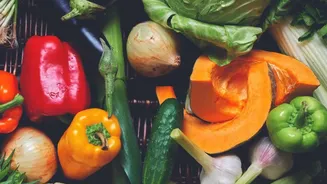
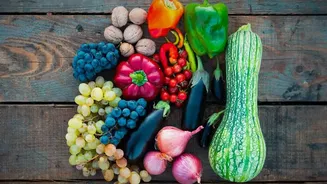
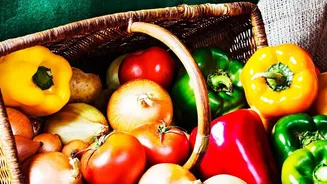
Choose Monsoon-Friendly Vegetables
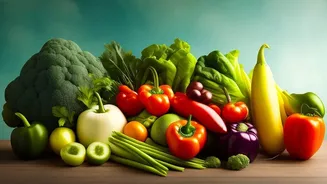
The key to a successful monsoon kitchen is to embrace seasonal produce. Vegetables that thrive during this season are generally more resilient and better suited for the climate. Gourds are a particularly good choice. Varieties like bottle gourd (lauki),
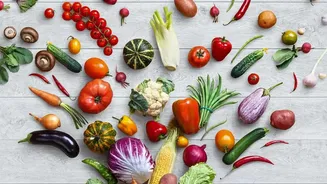
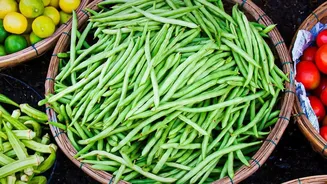
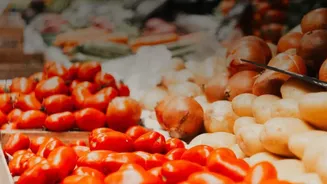
ridge gourd (tori), bitter gourd (karela), and pointed gourd (parwal) have a high water content and are easy to digest. They are also less prone to spoilage compared to other vegetables. Root vegetables like potatoes, carrots, and beetroot are also sturdy options that have a longer shelf life. Your basic aromatics like onions, ginger, and garlic are pantry must-haves that hold up well in humid conditions. When shopping, always look for vegetables that are firm, brightly coloured, and free from any soft spots or visible signs of decay.
Navigate the Leafy Green Dilemma
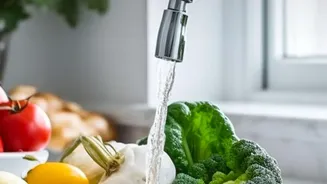
You may have heard the common advice to avoid leafy greens like spinach, coriander, and cabbage during the monsoon. This is because the high moisture and proximity to damp soil create a breeding ground for bacteria, fungi, and pests that can hide between the leaves. This increases the risk of foodborne illnesses. However, you don't need to eliminate them entirely. If you choose to buy leafy greens, be extra diligent. Inspect them carefully for slime, yellowing, and insects before purchasing. It's crucial to wash them thoroughly under running water, and some experts suggest a soak in salt water or a mild vinegar solution. Most importantly, these vegetables must be cooked properly, as consuming them raw in salads is not recommended during this season.
Adopt a 'Buy Smart, Buy Often' Strategy
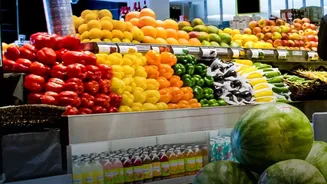
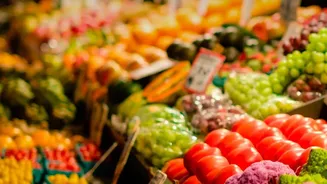
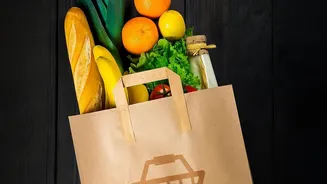
During the monsoon, buying vegetables in bulk is a recipe for waste. The high humidity accelerates spoilage, meaning produce that might last a week in dry weather can go bad in just a couple of days. A more effective approach is to plan your meals for shorter periods, like two to three days, and purchase smaller quantities more frequently. This ensures you are always using the freshest ingredients. Avoid pre-cut fruits and vegetables, as the exposed surfaces are more susceptible to contamination. When at the market, be discerning. Avoid any produce that looks wilted, damaged, or is sold in unhygienic, waterlogged conditions. This simple shift in shopping habits can significantly reduce food waste and save you money.
Master the Art of Monsoon Storage
How you store your vegetables is just as important as how you buy them. The primary goal is to combat moisture. Never store vegetables in the sealed plastic bags you get from the market; they trap moisture and accelerate rot. Instead, transfer them to breathable bags or containers. A common mistake is washing all vegetables as soon as you get home. This adds excess moisture, so it's best to wash produce only right before you plan to use it. If vegetables are damp from the market, pat them dry with a paper towel before storing them. Root vegetables like potatoes and onions should be kept in a cool, dry, and dark place with good ventilation, not in the refrigerator. For leafy greens, wrapping them in a paper towel before placing them in a perforated bag in the fridge can help absorb extra moisture and extend their life.