






The All-or-Nothing Fallacy
Many of us fall into a common trap: we let small messes accumulate, promising ourselves we’ll tackle them during a massive 'deep clean'. While a sparkling kitchen is the satisfying result of that effort, food safety experts suggest this approach is flawed.
A kitchen that looks clean isn't always hygienically safe. The greatest risks in a kitchen, like cross-contamination leading to foodborne illness, are not prevented by a monthly scrub-down. They are managed in the moment, through small, mindful actions every single day. A deep clean might sanitize the oven interior you rarely use, but it does little to stop the spread of bacteria from a contaminated cutting board used to prepare dinner tonight.
Focus on the Danger Zones
The real battle for kitchen hygiene is fought in a few key areas that are touched and used constantly. Your kitchen sink, for instance, often contains more bacteria than a toilet bowl due to food particles and moisture. Sponges and dishcloths are notorious culprits for collecting and spreading germs if not managed properly. Other major hotspots include cutting boards, countertop areas where raw meat was prepped, and high-touch points like faucet handles and refrigerator doors. The danger lies in cross-contamination, where bacteria like E. coli or Salmonella from raw foods are transferred to surfaces, utensils, or ready-to-eat items. A rare deep clean does nothing to mitigate this daily risk.
Your Daily Hygiene Checklist
Integrating a few key tasks into your daily routine can dramatically reduce the risk of foodborne illness, taking no more than 15-20 minutes. Start by wiping down countertops and prep surfaces with hot, soapy water after every meal, especially after contact with raw meat or poultry. Don't let dishes pile up; wash them or place them in the dishwasher promptly to prevent bacteria from multiplying. Pay special attention to the sink, giving it a quick scrub with soap and hot water at the end of the day to wash away food residues. Finally, sweep the floor to remove crumbs that can attract pests.
Manage Your Cleaning Tools
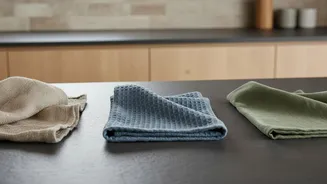
Ironically, the tools we use to clean can be the worst offenders for spreading germs. A damp sponge is a paradise for bacteria. To keep it safe, you should sanitize your sponge daily, either by running it through a dishwasher's hot cycle, or by wetting it and microwaving it for one minute. Replace sponges and dishcloths regularly. Using separate cutting boards for raw meat and produce is one of the most effective ways to prevent cross-contamination. Ensure all boards are washed with hot, soapy water immediately after use. These simple habits with your tools are far more impactful than a quarterly cabinet wipe-down.
The Rightful Place for a Deep Clean
This isn't to say deep cleaning is useless. It absolutely has its place. Tasks like cleaning behind the refrigerator, scrubbing the oven interior, descaling the coffee maker, and sanitizing drains are important for maintenance and long-term hygiene. But these are best scheduled weekly or monthly. Think of it this way: daily hygiene is like brushing your teeth—a non-negotiable habit for immediate health. Deep cleaning is like a visit to the dental hygienist—a necessary, but less frequent, procedure to handle buildup and tackle areas you can't easily reach. One cannot replace the other.