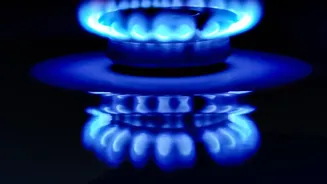







As winter arrives, we seal our homes against the cold, seeking a warm refuge. But what if the air inside is becoming more polluted than the smoggy air outside? Your gas stove and outdoor pollution are two key culprits working against you.
The Daily Pollutant Source in Your Kitchen
Your trusty gas
stove, essential for cooking daily meals, is also a significant source of indoor air pollution. While the headline mentions oxygen, the more precise issue is the introduction of harmful gases. When you burn natural gas, the combustion process releases pollutants directly into your kitchen. The most notable among these are nitrogen dioxide (NO2) and carbon monoxide (CO). Studies have shown that even a few minutes of gas stove use can cause indoor NO2 levels to spike, sometimes exceeding what is considered safe for outdoor air. Research has also linked these emissions to other harmful substances like benzene, a known carcinogen, which can be released at levels comparable to secondhand smoke. These gases don't just stay in the kitchen; they can spread throughout your home, lingering for hours after you've finished cooking.
When Outdoor Smog Invites Itself Inside
It's a common misconception that your home is a fortress against outdoor pollution. In reality, the air outside and inside are closely linked. Particulate matter (PM2.5) from traffic, industry, and general urban smog can easily find its way into your living spaces. This infiltration happens through natural ventilation like open doors and windows, but also through countless small, unseen gaps in a building's structure—cracks around window frames, under doors, and through ductwork. In fact, a significant portion of the most harmful outdoor air pollution we are exposed to is often encountered indoors, as these tiny particles make their way inside and get trapped. This means that on days when the city is blanketed in smog, the air quality inside your home is also degrading.
Why Winter Is the Worst Season for Indoor Air
Winter conditions create a perfect storm for poor indoor air quality. Firstly, to keep warm, we seal our homes tightly, shutting windows and doors. This drastically reduces natural ventilation, which is crucial for diluting and removing indoor pollutants. Without a steady flow of fresh air, the emissions from your gas stove and other sources become concentrated. Secondly, cold weather itself can worsen the situation. Temperature differences between the warm air inside and the cold air outside can create pressure dynamics that actually pull more outdoor pollutants into the home through cracks and leaks. This combination of trapped indoor pollutants and increased infiltration from outdoor smog means the air you breathe at home can become several times more polluted than the air outside during winter.
The Quiet Impact on Your Family's Health
This build-up of indoor pollutants isn't just an environmental issue; it's a health concern. Exposure to nitrogen dioxide is strongly linked to respiratory problems, especially in children. It can trigger asthma attacks and may even contribute to the development of asthma in the first place. Carbon monoxide is also dangerous, and at lower levels can cause headaches, fatigue, and nausea. The elderly, children, and individuals with pre-existing respiratory or cardiovascular conditions are particularly vulnerable to these effects. The symptoms of poor indoor air quality can often be subtle and mimic common winter ailments, like persistent coughs, irritated eyes, or unexplained headaches, making it easy to overlook the root cause.
Simple Steps to Breathe Cleaner Air This Winter
The good news is that you can take practical steps to significantly improve your home's air quality. The most effective strategy is source control and ventilation. Always use your kitchen's exhaust fan or chimney when you cook, and make sure it vents to the outside, not just recirculates air. Clean the filters regularly for them to work effectively. Even in winter, try to open windows for at least 10–15 minutes a day to allow fresh air to circulate and dilute indoor pollutants. If you live in a highly polluted area where opening windows is not ideal, consider using an air purifier with a HEPA filter, which is effective at capturing fine particulate matter. Finally, ensure your gas stove is well maintained and never use it as a source of heat for your home.