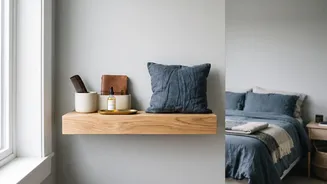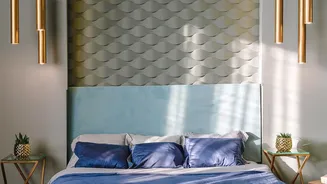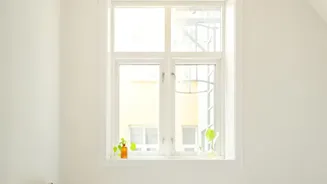






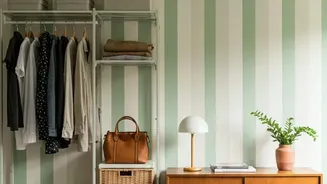
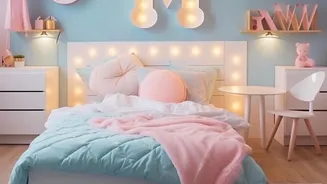
Living with a small bedroom can feel like a constant puzzle. But before you get rid of all your belongings, look to your window. Natural light is a powerful, free tool that can make a cramped room feel airy, calm, and significantly larger.
Why Light Is Your Best Asset
Natural light
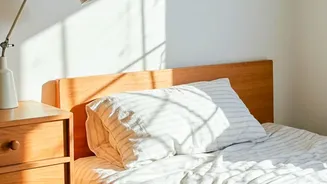
is more than just a way to see; it fundamentally changes how we perceive a space. A room flooded with daylight feels larger, cleaner, and more energetic. Studies have shown that exposure to natural light can improve mood, regulate sleep cycles, and boost productivity. In a small bedroom, its effect is magnified. It softens the hard edges of corners, reduces shadows that make a space feel cramped, and creates a sense of depth that artificial light alone cannot replicate. By treating natural light as the most important feature of the room, you can make even the most compact space feel open and inviting.
First, Understand Your Light
Before you move a single piece of furniture, become an observer. Spend a day noticing how the light moves through your bedroom. Which corners stay dark? Where does the brightest light fall in the morning versus the afternoon? This 'light map' is your blueprint for a successful layout. An east-facing window provides gentle morning light, perfect for early risers, while a south-facing window offers consistent, warm light throughout the day. Understanding these patterns will help you decide where to place your bed for a pleasant awakening and where to position a reading chair or desk for optimal daytime use.
The Main Event: Bed Placement
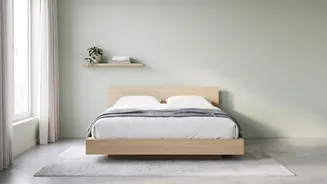
The bed is the largest piece of furniture, so its position is critical. The classic interior design rule is to place the bed on the wall opposite the door to create a welcoming focal point. However, in a small room, you must also consider the window. Placing a bed under a window can be an excellent space-saving solution, especially if wall space is limited. To do this successfully, use a low-profile headboard that sits below the windowsill to avoid blocking light. Another option is to place the bed on the wall adjacent to the window. This allows you to enjoy the light without it being directly overhead while you sleep. Whichever you choose, the goal is to prevent the bed from acting as a barrier that stops light at the source.
The Ultimate Trick: Using Mirrors
Mirrors are the single most effective tool for amplifying light. Placing a large mirror directly opposite a window can almost double the amount of daylight in the room, creating an illusion of a second window and making the space feel significantly brighter and more open. If a direct reflection is too intense, positioning a mirror on an adjacent wall will also bounce light into darker corners. In a very small room, one large, full-length mirror is more effective than several small ones. Mirrored wardrobe doors are another clever solution, as they add storage while visually expanding the entire side of a room.
Choose Furniture That Welcomes Light
Heavy, bulky furniture can absorb light and create shadows. Instead, opt for pieces that feel visually light. Furniture with raised legs—like a bed frame or nightstand on slender legs—allows light to pass underneath, creating a sense of openness. Materials matter, too. Choose reflective surfaces like glass, acrylic, or metallic finishes for tables and accessories to help bounce light around. When it comes to storage, go vertical with tall, slim bookshelves or wardrobes to draw the eye upward and take up less floor space. Avoid placing tall items in front of windows where they will block the light path.
Finishing Touches: Colours and Curtains
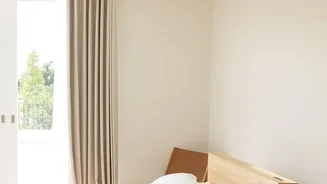
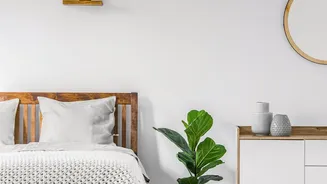
The colours you choose for your walls play a huge role in light reflection. Lighter colours like soft whites, creams, pale greys, and pastels are known to make a room feel larger because they bounce light effectively. A paint's finish also makes a difference; an eggshell or satin finish will reflect more light than a flat matte paint. For window treatments, ditch heavy, dark curtains. Opt for sheer, light-filtering fabrics that provide privacy while still allowing daylight to stream in. To create the illusion of a larger window, hang your curtain rod several inches above the window frame and extend it wider on both sides.