


The Trap of the 'Perfect' Finish
We've all been seduced by the flawless, seamless look. It's the kitchen with no visible outlets, the bathroom where the tub is perfectly tiled in, and the floor that flows like a single sheet of wood from room to room. Contemporary design often strives
for this integrated perfection, where every element feels permanent and untouchable. This approach, however, can turn your dream home into a future maintenance nightmare. By prioritising a flawless finish over functional access, we often create spaces that are difficult and expensive to repair. The very techniques used to achieve this look—strong adhesives, irreversible connections, and hidden utilities—are what make a simple fix an invasive demolition project.
When Good Looks Become a Bad Design
Consider the real-world consequences. That beautifully tiled-in bathtub hides a plumbing leak that goes unnoticed for months, causing rot and mould inside the walls. To fix it, a contractor has to smash through expensive, perfectly good tile. A single damaged floorboard in a glued-down engineered floor might require the entire room's flooring to be ripped out and replaced because the individual pieces can't be isolated. Homeowners often regret not planning for practical needs, like adding enough electrical outlets or ensuring better ventilation, because they were focused on appearance. These are common scenarios where a design that sacrifices function for form proves to be a costly mistake.
Embracing 'Design for Disassembly'
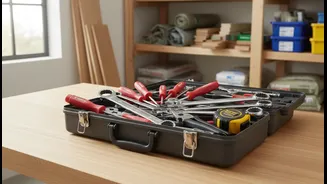
There’s a growing movement in architecture and design that offers a smarter way forward: Design for Disassembly (DfD). This strategy involves designing a home with its entire lifecycle in mind, including future repairs, renovations, and eventual deconstruction. In practice, this means making conscious choices that allow components to be easily taken apart and replaced. Think using screws and bolts instead of permanent glues and welds, installing access panels for plumbing and electrical systems, and choosing modular components that can be individually swapped out. This approach not only saves money and headaches during repairs but also dramatically reduces waste by making materials easier to reuse and recycle.
Smart Materials for a Resilient Home
Your choice of materials plays a crucial role in your home's long-term repairability. Prioritising durable, high-quality materials often pays off through fewer repairs and lower maintenance costs over time. Solid wood, for example, can be sanded and refinished multiple times, while many composite materials must be discarded once damaged. Certain types of weather-resistant wood are more resistant to rot and decay, making them a better long-term choice. When choosing materials, consider their entire lifecycle. Opt for those with good recycling potential and low-toxicity. It’s also wise to buy extra material, like tiles or flooring, during the initial renovation. That way, you have a perfect match on hand for any future repairs.
A Mindset Shift for Homeowners
Ultimately, creating a maintainable home requires a shift in mindset. Instead of thinking only about the initial aesthetic, we need to consider ourselves caretakers of our space. This means prioritising function and long-term value alongside beauty. Ask your contractor questions about accessibility. How will you access the plumbing behind the shower? What's the process if an electrical wire fails inside a wall? Building in accessibility from the start, such as wider doorways or planning for future grab bars in a bathroom, doesn't just help with repairs; it makes the home more adaptable for all stages of life. A home designed this way is not only more sustainable and economical, but also more comfortable and convenient for everyone who lives there.