



A Return to Our Roots
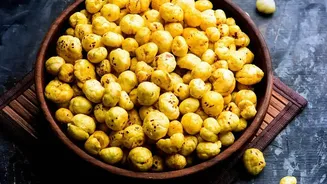
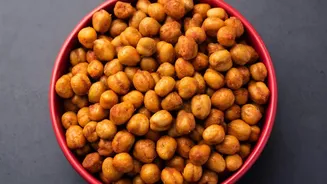
For generations, roasted snacks have been a quiet staple in Indian households. Bhuna chana (roasted Bengal gram), phool makhana (fox nuts), and peanuts were the go-to snacks served with evening chai or packed for travel. They were affordable, accessible,
and satisfying. These foods were never marketed as 'health products'; they were simply a practical and nourishing part of everyday life, celebrated for their simplicity and taste long before protein became a buzzword. In many homes, these snacks were part of a food culture that valued ingredients capable of providing sustained energy and satisfaction without fuss.
The New Protein Obsession
In recent years, a wave of health consciousness has swept across India, bringing with it a sharp focus on protein intake. Consumers are actively seeking out snacks that do more than just satisfy cravings; they want functional foods that contribute to their fitness goals. A recent report found that a staggering 86% of Indian consumers now consider protein an important factor when choosing a snack. This shift is driven by a growing awareness of protein's role in muscle repair, satiety, and overall wellness. As a result, the market for healthy snacks in India is booming, with consumers willing to pay a premium for protein-rich products.
Spotlight on the Super Snacks
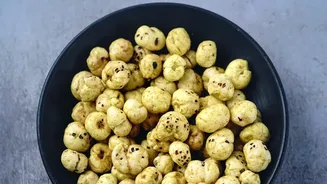
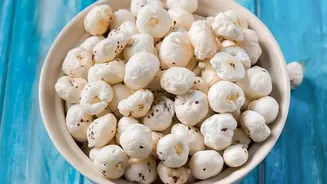
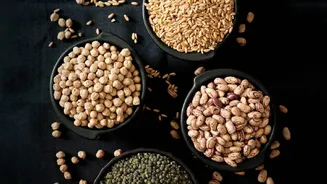
At the forefront of this trend are roasted chana and makhana. Roasted chana is a nutritional powerhouse, packing around 18-20 grams of protein per 100 grams, along with significant dietary fibre. This combination of protein and fibre promotes a feeling of fullness, helping to curb unhealthy cravings between meals. Similarly, makhana, once primarily a fasting food, has been rebranded as a gourmet health snack. While not as protein-dense as chana, it is low in calories, rich in minerals, and offers a satisfying crunch without the guilt of fried alternatives. A 100-gram serving provides nearly 10 grams of protein, making it a valuable addition to a balanced diet.
From Street Carts to Supermarket Shelves
This renewed interest has not gone unnoticed by the food industry. What were once sold by street vendors from handcarts are now found in glossy, modern packaging in supermarket aisles and on quick-commerce apps. Brands are highlighting the protein content on their labels, often with claims like 'High Protein' or 'Plant-Based Power'. This transition represents a modernization of traditional foods, making them convenient for urban lifestyles. The humble bhuna chana is now available in peri-peri, masala, and other contemporary flavours, appealing to a new generation of snackers.
Why This Trend Is a Win-Win
The rise of traditional roasted snacks as protein essentials is a positive development for several reasons. It encourages a return to local, indigenous foods that are naturally nutritious and sustainable. It provides an affordable and accessible source of plant-based protein, which is crucial in a country where a significant portion of the population is vegetarian. Furthermore, it supports the agricultural communities that cultivate these crops. By embracing these familiar foods in a new light, consumers are not just making a healthier choice; they are reconnecting with the deep nutritional wisdom of Indian culinary traditions.