







Know Your Enemy: Why Fleas Thrive in the Monsoon
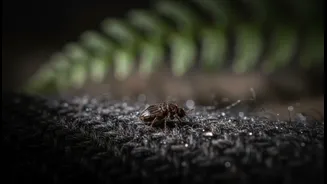
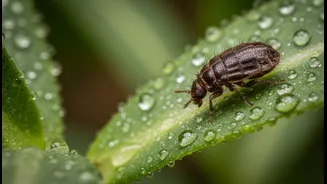
Fleas are more than just a nuisance; they are parasites that thrive in warm, humid conditions, making the Indian monsoon their ideal season for reproduction. The adult fleas you might spot on your pet represent only about 5% of the total population in your home.
The other 95% consists of eggs, larvae, and pupae, hiding in your carpets, furniture, bedding, and even tiny cracks in the floor. A single female flea can lay up to 50 eggs per day, explaining how an infestation can escalate so quickly. This hidden majority is why treating only your pet is never enough to solve the problem for good.
Early Detection: Spotting the First Signs
The most obvious sign of fleas is your pet suddenly scratching, biting, or licking their skin excessively. This is often a reaction to the protein in flea saliva. You may also notice hair loss, red bumps, or scabs, particularly around the base of the tail for dogs and the neck and head for cats. Another key indicator is "flea dirt"—tiny black specks on your pet's fur or bedding. To confirm, place these specks on a wet paper towel. If they smear into a reddish-brown colour, it is digested blood, and a sure sign of fleas.
Step 1: Treat Your Pet (With a Vet's Guidance)
Your first step is to treat your pet, but it is crucial to do so safely. Always consult your veterinarian before starting any treatment. They can recommend the best product based on your pet's species, age, weight, and health status. Options include fast-acting oral tablets, monthly spot-on treatments, or medicated shampoos. Never use a dog product on a cat, as some ingredients are highly toxic to felines. For young kittens and puppies, special care must be taken as many products have minimum age and weight requirements. Your vet will provide the safest and most effective solution.
Step 2: Clean Your Apartment Thoroughly
Treating your pet is only half the battle. To eliminate the 95% of the flea population hiding in your home, a deep cleaning is non-negotiable. Start by washing all bedding—yours and your pet's—along with blankets, cushion covers, and towels in hot, soapy water. High heat is essential for killing fleas at all life stages. Next, vacuum everything. Use a powerful vacuum cleaner on all carpets, rugs, and upholstered furniture, paying close attention to corners, crevices, and areas where your pet rests. Vacuum daily during an active infestation. After each session, immediately seal the vacuum bag or empty the canister into an outdoor dustbin to prevent re-infestation.
Prevention Is the Best Cure
Once you have the situation under control, consistent prevention is key. Continue with the vet-prescribed monthly flea preventative year-round, not just during the monsoon. Regular grooming with a flea comb can help you catch any new visitors early. Maintain a strict cleaning schedule, including weekly washing of pet bedding and regular vacuuming of high-traffic areas. Keeping your pet indoors as much as possible during peak rainy periods can also reduce their exposure. By combining preventative treatments for your pet with a clean home environment, you can create a fortress against future flea invasions.