







The Deciding Factor: When to Cancel or Delay
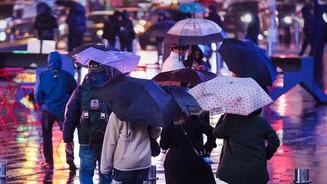
The most critical decision during a heavy downpour is whether to travel at all. Prioritizing safety over deadlines is the golden rule. Authorities like the Brihanmumbai Municipal Corporation (BMC) and Mumbai Police often issue advisories urging citizens
to stay indoors unless absolutely necessary. These aren't mere suggestions; they are based on serious risk assessments. Key red flags that signal you should postpone your journey include official alerts from the India Meteorological Department (IMD), especially 'Orange' or 'Red' alerts, which warn of heavy to extremely heavy rainfall. Another clear sign is the status of Mumbai's local trains. If Central, Western, or Harbour lines report major delays, suspensions, or track waterlogging, it’s a strong indicator that the city’s transport network is under severe strain and your journey will be fraught with difficulty.
Your Essential Monitoring Toolkit
Staying informed with real-time, accurate information is your best defence against getting stranded. Forget rumours and anecdotal advice; stick to official and verified sources. The first place to check should be the social media handles of the Mumbai Traffic Police, who provide live updates on waterlogging, road closures, and traffic diversions. For weather-specific warnings, the IMD is the authoritative source. The BMC's Disaster Management cell also provides crucial updates through its app and website, including information on rainfall, tide timings, and emergency shelter locations. For public transport, the m-Indicator app is indispensable for Mumbaikars, offering live train tracking, delay information, and even a chat feature for commuters to share on-the-ground updates. Other useful apps include the NDMA's 'Sachet' for broader disaster alerts and 'Windy' for detailed weather visualisations.
Navigating Roads and Rails
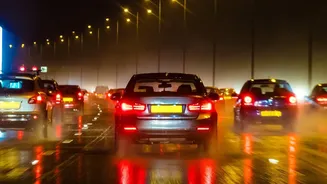
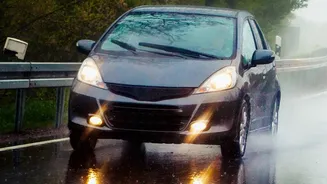
If you absolutely must travel, understanding the specific challenges of road and rail is crucial. For road travel, be aware of chronic waterlogging spots like the Andheri and Khar subways, Sion, Dadar, and parts of the Western Express Highway. Mumbai Police advises driving slowly, using headlights for visibility, and maintaining a safe distance from other vehicles. For the millions who depend on local trains, services can be delayed by 15-30 minutes or more during heavy spells. Waterlogging on tracks, especially between Vasai and Virar or on the Central line near Kurla and Sion, often leads to speed restrictions or temporary suspensions. Before heading to the station, always check the latest updates from Western and Central Railway, often shared via their official social media and the m-Indicator app.
Planning for Air Travel
Air travel presents its own set of monsoon challenges. The problem often isn't the airport itself but the journey to get there. Heavy rains cause severe traffic congestion, making a normally short trip to the airport a multi-hour ordeal. Airlines like IndiGo and Air India frequently issue travel advisories, urging passengers to allow extra time for their commute. During intense downpours with poor visibility and strong winds, flight operations can be suspended, leading to cascading delays and cancellations throughout the day. Aviation experts recommend booking morning flights, as delays tend to accumulate, and building a buffer of at least two to three hours for reaching the airport. Always check your flight status directly with the airline before leaving home.
The Commuter's Survival Kit
Being prepared can make a significant difference. A few simple items can save you from major discomfort if you get stuck. A fully charged power bank is non-negotiable, as long delays are common. Carrying a waterproof bag to protect electronics and important documents is essential. It's also wise to pack some dry snacks and a bottle of filtered water. Many seasoned commuters recommend keeping a spare pair of clothes and waterproof footwear at the office to change into upon arrival. Finally, always inform your family or friends of your route and estimated travel time, especially when venturing out in severe weather conditions.