



The Anatomy of a Dark Store
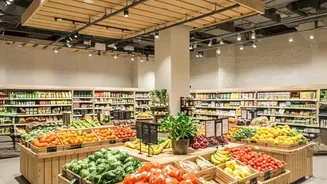
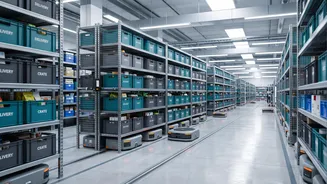
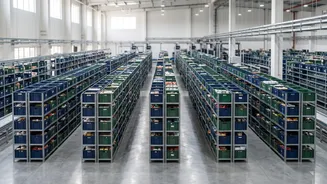
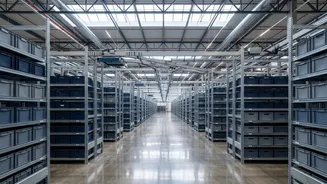
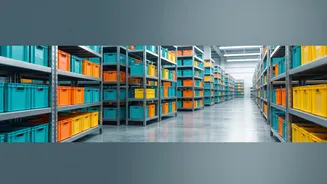
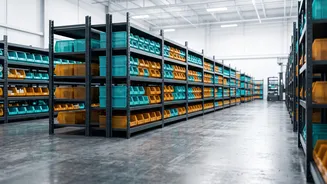
They go by many names: dark stores, ghost stores, or micro-fulfillment centres. Unlike a regular kirana store or supermarket, you can’t walk into one. These are small, hyperlocal warehouses, typically between 1,000 and 4,000 square feet, packed with the
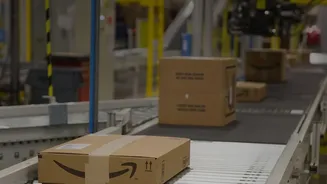
most frequently ordered items in a neighbourhood, from milk and bread to chips and chargers. Their only purpose is to serve online orders from platforms like Blinkit, Zepto, and Swiggy Instamart. Inside, the layout isn't designed for browsing but for speed. Workers, often called pickers, quickly assemble orders that are then handed off to a waiting fleet of delivery riders. This model is the engine of quick commerce, making it possible to get goods from a shelf to your doorstep in minutes.
Why Bengaluru is the Epicentre
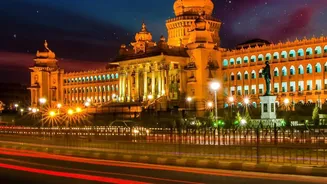
Bengaluru has more dark stores than any other Indian city. Recent data shows the city has over 600 dark stores, a significant concentration of the national total. Several factors make Bengaluru the perfect market for this boom. Its reputation as a tech hub means it has a large, digitally savvy population that quickly adopts new app-based services. More importantly, the city’s infamous traffic makes quick commerce less of a luxury and more of a practical alternative to spending an hour in a car for a few items. This high demand has led companies to invest heavily here, with Bengaluru having about 150 square feet of dark store space per 1,000 residents, far outpacing other metros.
A City's Streets Under Pressure
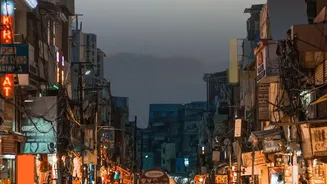
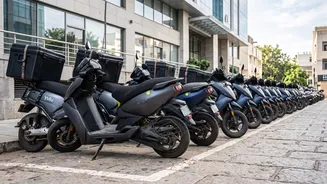
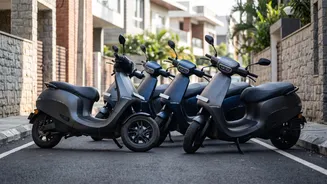
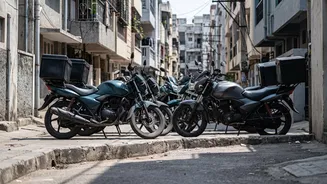
The convenience of quick commerce comes at a cost, and Bengaluru's already strained infrastructure is paying the price. The core issue is that these stores are intentionally placed in dense residential areas to meet delivery time promises. This introduces commercial logistics into lanes that were never designed for it. Residents in areas like Domlur and Indiranagar report a constant swarm of delivery bikes, often driving on footpaths or against traffic to save time. The frequent arrival of trucks to restock these stores adds to the congestion and noise, sometimes late into the night. This creates a public nuisance, with complaints about blocked roads, constant honking, and general disturbance becoming increasingly common.
Zoning, Safety, and Regulatory Grey Areas
The rapid expansion of dark stores has largely happened in a regulatory grey area. Many operate out of ground-floor residential or small commercial properties, raising questions about zoning laws. In most cities, warehousing and logistics are restricted to specific industrial or commercial zones, but quick-commerce companies often position themselves as technology services to navigate these rules. This leads to conflict with Resident Welfare Associations (RWAs) and municipal authorities. Beyond zoning, there are safety concerns. Storing goods, sometimes including combustibles, in converted residential spaces without proper fire safety certification poses a risk. Authorities in cities like Mumbai and states like Maharashtra have begun to crack down, shutting down unlicensed stores and requiring approvals before new ones open, a trend that may soon become more widespread.
The Future: Convenience vs. Liveability
The rise of dark stores highlights a fundamental tension in modern urban life: the demand for on-demand convenience versus the need for planned, liveable cities. For consumers, quick commerce offers undeniable benefits. For the economy, it creates jobs and fuels a market expected to be worth over ₹1 lakh crore in 2026. However, without clear urban planning and regulation, its unchecked growth threatens to worsen traffic, disrupt neighbourhood peace, and create safety hazards. The challenge for Bengaluru and other Indian cities is not to stop this wave of innovation, but to integrate it thoughtfully. This could involve creating new zoning rules for micro-fulfilment, enforcing traffic discipline among riders, and ensuring these commercial operations don't come at the expense of residential quality of life.