




Understanding the Daily Gold Rate
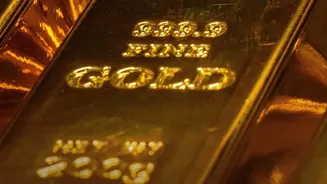
The first thing anyone checks is the price, but it's rarely simple. Gold rates fluctuate daily, influenced by global market trends, the strength of the US dollar, domestic demand, and geopolitical stability. On September 2, 2026, for example, prices saw
a sharp fall after recent gains. These fluctuations mean the 'right time' to buy can be a moving target. Rather than trying to time the market perfectly, it's wiser to understand the broader trend. Prices are affected by everything from inflation concerns to central bank policies, making gold a safe-haven asset during economic uncertainty. Tracking the price over weeks can give you a better sense of a fair entry point.
Purity and Hallmarking: Your Guarantee
Never purchase gold jewellery without a BIS Hallmark. In India, hallmarking is mandatory in 380 districts for gold jewellery to protect consumers from being sold lower-purity gold. The current system uses a three-mark certification: the BIS logo, a mark for purity (like 22K916 for 22-carat gold), and a six-digit alphanumeric Hallmark Unique Identification (HUID) number. This HUID code ensures traceability and authenticity, and you can even verify it yourself using the BIS CARE mobile app. Insisting on this mark is non-negotiable; it guarantees the purity you are paying for and is crucial for a fair valuation at resale.
Making Charges: The Negotiable Cost
The final price of jewellery is significantly higher than the raw gold value due to making charges. These fees cover the cost of designing and crafting the ornament and can range anywhere from 5% to over 25% of the gold's value. Jewellers calculate this in two ways: a flat rate per gram or a percentage of the gold's price. Intricate, machine-made designs often have lower making charges, while complex, handcrafted pieces command higher fees. This is one area where you have room to negotiate. Don't hesitate to ask for a discount, especially during festive seasons or if you are a repeat customer. Always ask for a clear breakdown of making charges on your bill.
GST: The Non-Negotiable Tax
The Goods and Services Tax (GST) is a standard component of your gold bill. A 3% GST is levied on the total value of the gold. Additionally, a 5% GST is applicable on the making charges. Some jewellers may present a single bill with a 3% GST on the combined value of gold and making charges, while others itemise it. Be aware of how this is calculated, as it affects the final amount. This tax structure is uniform across India, so you will encounter it regardless of where you buy.
Buy-Back and Exchange Policies
Gold is often purchased with an eye on its future value. Before you buy, it is essential to understand the jeweller's buy-back or exchange policy. When you sell gold back, the jeweller will only pay for the net weight of the gold at the prevailing rate, and making charges and taxes are not refunded. Most jewellers deduct a certain percentage from the gold's value as well. Policies can differ significantly between brands, with some offering better value if you exchange the old piece for new jewellery from their store. Always ask for the policy in writing and keep your original invoice safe, as it is often required for buy-back transactions.
The Impact of Studded Stones
If your heart is set on a piece studded with diamonds or other precious stones, be extra cautious about the billing. The weight of the stones is included in the total weight of the ornament, but their resale value is very different from gold. Reputable jewellers will bill the gold and the stones separately, providing certification for the latter. During resale, most jewellers will deduct the weight of the stones or offer a very low buy-back value for them. For investment purposes, plain gold jewellery is almost always a better choice.