



Choose Your Anchor Wisely
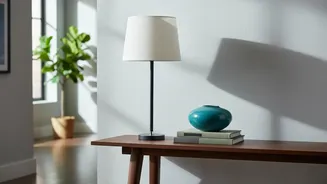
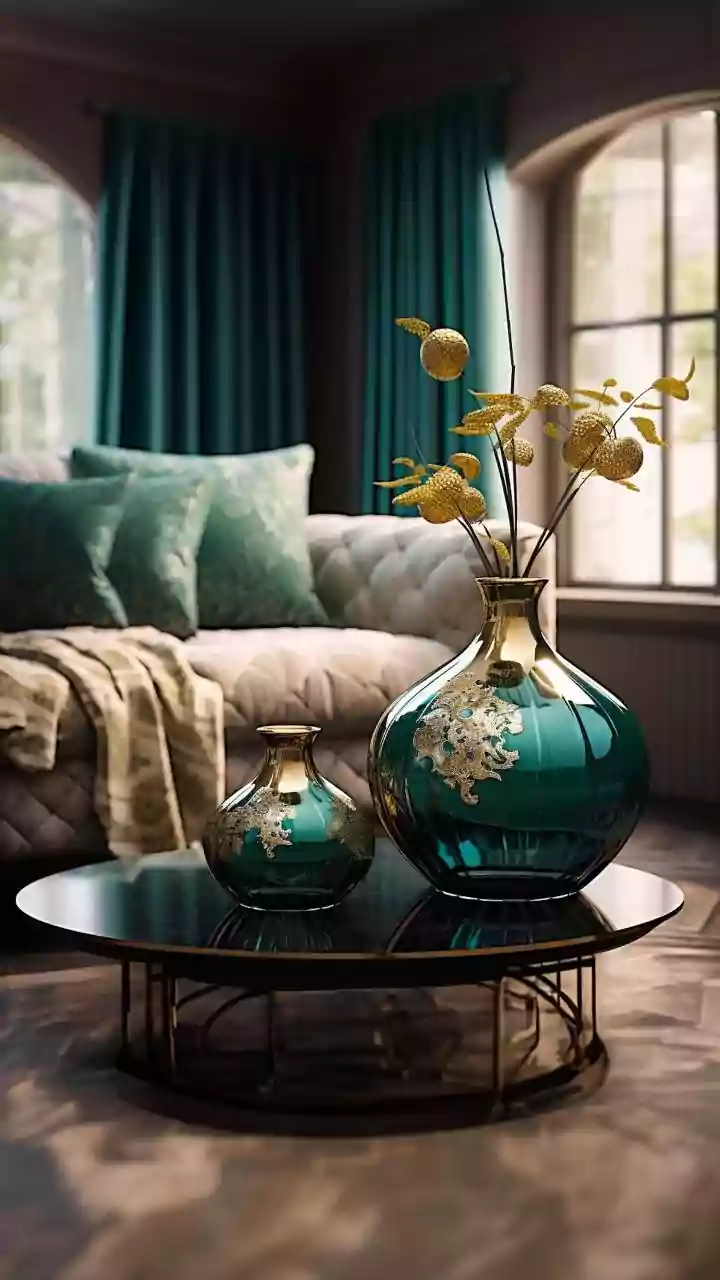
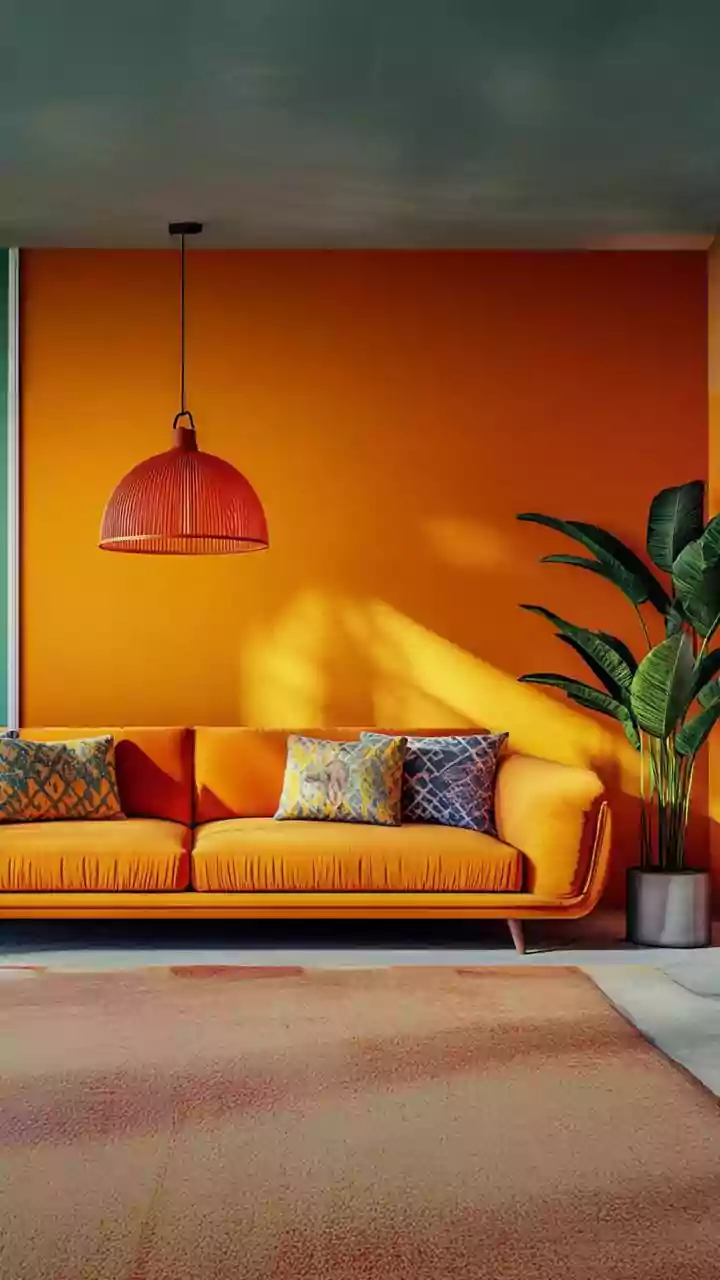
An anchor piece is the dominant feature that first draws the eye, providing a strong visual foundation for the rest of the room. This isn't about just any large item; it's about a strategic choice. It could be a substantial sofa, a large-scale piece of art,
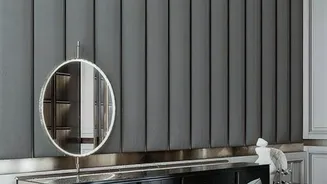
a dramatic mirror, an intricate area rug, or even a statement chandelier. When selecting your anchor, think about both function and style. In a living room, a generous sofa or a commanding coffee table can set the tone. In a bedroom, a prominent headboard can serve the same purpose. The goal is to choose one item that will act as the main character, around which all other 'supporting character' accessories can be arranged.
Harness the Power of Scale
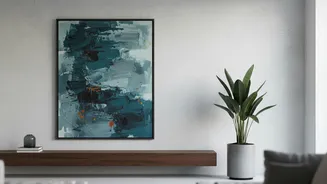
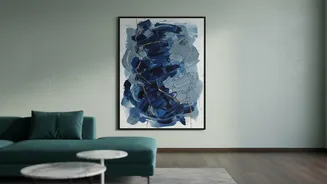
The biggest mistake in decorating is often not the style, but the scale. Scale refers to how an object's size relates to the size of the room and the other objects within it. A large piece works because it is appropriately scaled to the space, making the room feel balanced rather than empty or cluttered. A common guideline for art, for example, is to choose a piece that is about two-thirds or three-quarters the width of the furniture it hangs above. A tiny picture floating above a massive sofa will feel disconnected, whereas a substantial canvas will ground the furniture and make the pairing feel intentional. This principle applies not just to art but to all elements, ensuring a sense of harmony.
Embrace Negative Space
Just as important as the anchor piece itself is the space around it. In design, this is called negative space—the empty areas between and around objects. It’s the visual breathing room that prevents a space from feeling overwhelming. A large, beautiful artwork loses its impact if it’s crowded by other items. By leaving the surrounding wall area empty, you allow the eye to rest and direct attention to your chosen focal point, enhancing its effect. This doesn't mean your room should feel barren; it's about finding a thoughtful balance between filled and unfilled areas. Negative space is what gives your statement pieces their presence and helps create a sense of calm and order.
Create a Clear Focal Point
Without a focal point, the eye wanders aimlessly, which can make a room feel chaotic even when it's tidy. An anchor piece solves this by giving the eye a clear place to land, establishing a visual hierarchy. Typically, the best wall for a focal point is the one you see first upon entering a room. Placing your large-scale art or statement furniture piece there immediately tells visitors what the room is about. The rest of the furniture and decor should be arranged to support and complement this main feature, creating a unified and engaging composition.
A Few Practical Tips
When hanging large art or mirrors, placement is key. The center of the piece should generally hang at average eye level, which is about 57 to 60 inches from the floor. If placing it above furniture like a sofa or console, leave about 6 to 10 inches of space between the top of the furniture and the bottom of the frame to create a visual connection. Don't be afraid to go big. An oversized mirror can make a small room feel larger by reflecting light and space. And remember, you don't always have to hang things. Leaning a large piece of art or a tall mirror against the wall can create a relaxed, less formal, and effortlessly stylish look.