


More Than Just Another Curry
For years, Indian food outside of India was often represented by a handful of North Indian dishes. But that perception is changing as food lovers seek more authentic and diverse regional flavours. Kerala’s cuisine, shaped by centuries of spice trade and a unique
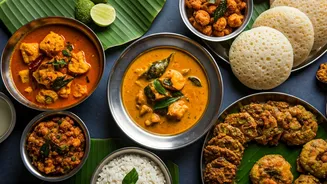
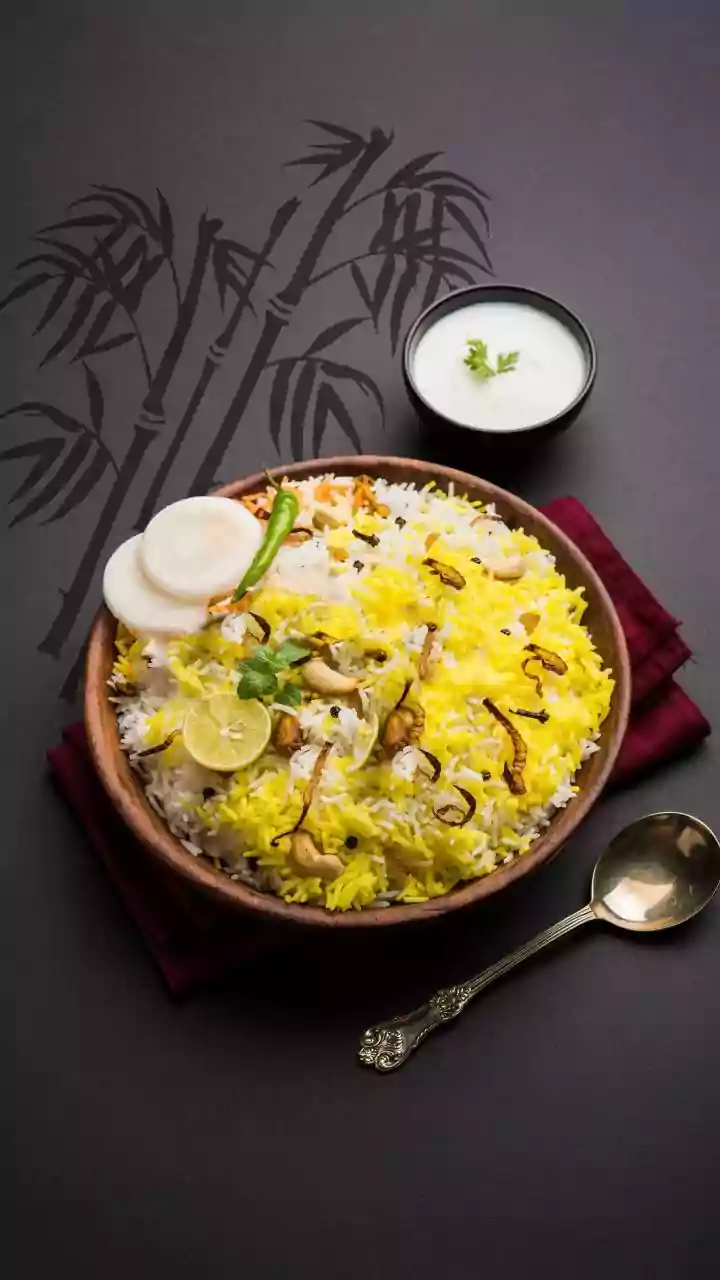
coastal geography, offers a completely distinct experience. Its identity is rooted in the generous use of coconut, fresh seafood, rice, and a complex but balanced blend of spices like black pepper, cardamom, and turmeric. Dishes vary dramatically across the state, from the spice-laden Mappila biryanis of the north to the milder, coconut milk-based stews (known as 'ishtu') paired with fluffy 'appam' pancakes in the south. This diversity is now being recognised on a global scale, with Lonely Planet naming Kerala's culinary culture among the world's top 25 travel experiences for 2026.
A Perfect Fit for Modern Palates
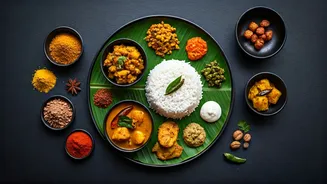
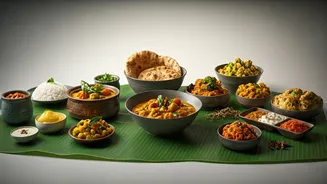
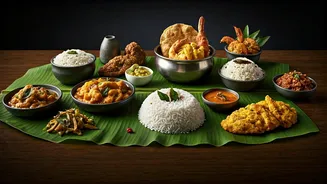
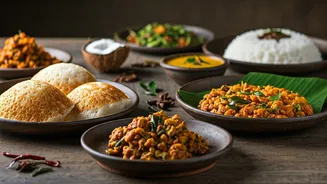
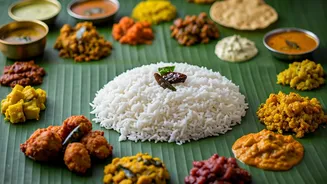
Part of Kerala cuisine’s rising popularity is how well it aligns with modern wellness and dietary trends. Global diners are increasingly drawn to plant-based meals, and Kerala’s traditional vegetarian feast, the 'sadya', is a perfect example. Served on a banana leaf, a sadya can feature dozens of vegetable-forward dishes like 'avial', 'thoran', and 'sambar'. Many of its staples, like appam, dosa, and idli, are made from fermented rice and lentil batters, making them naturally gluten-free and rich in probiotics that support gut health. The cuisine also relies on healthy cooking methods like steaming and uses minimal oil, which appeals to health-conscious consumers. Spices like turmeric are celebrated for their anti-inflammatory properties, adding another layer of appeal.
From God's Own Country to Global Kitchens
The Malayali diaspora and ambitious chefs have been instrumental in this global moment. Chefs like Suresh Pillai, who gained experience in Michelin-starred restaurants in London before opening his own chain, have become global ambassadors for the cuisine. Restaurants from London and Leeds to New York and Berlin are now dedicated to authentic Kerala flavours, earning Michelin recognition and rave reviews. For instance, Quilon in London earned a Michelin star in 2008 for its South-west coastal Indian cuisine, while Tharavadu in Leeds has become a celebrated spot, even drawing praise from visiting celebrities like Virat Kohli. These establishments go beyond just serving food; they offer a cultural experience, sharing the stories behind the dishes and highlighting the region’s rich history.
The Star Ingredients That Define the Flavour
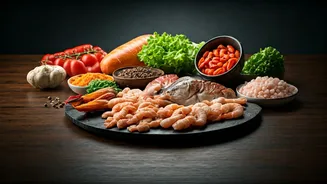
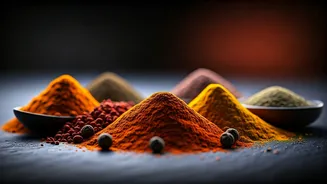
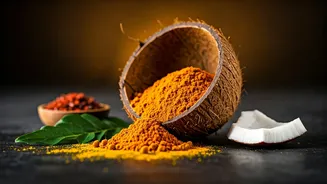
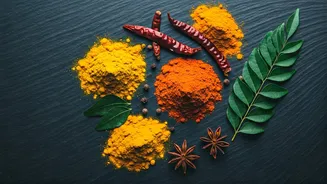
At the heart of Kerala’s cooking are a few key ingredients that give it its signature taste. Coconut is paramount, used in every conceivable form: as oil for frying, as rich milk for curries and stews, and grated into vegetable dishes. The region's history as a spice hub is evident in every meal. Tellicherry black pepper, once a prized commodity that drew traders from across the globe, provides a distinct warmth. Fresh curry leaves, ginger, and potent spices like cardamom and cloves are foundational. The cuisine also uses unique souring agents, such as 'kodampuli' (Malabar tamarind), which lends a smoky, tangy note to fish curries that is hard to replicate. These ingredients combine to create flavours that are layered and aromatic without being overwhelmingly heavy.