

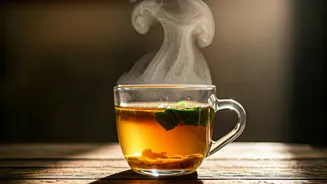



The Golden Elixir: Haldi Doodh
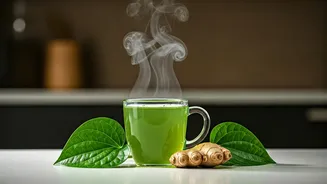
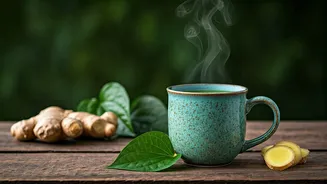
It was the cure for everything from a common cold to a bruised knee: a warm cup of turmeric milk, or ‘haldi doodh’. While we may have scrunched our noses at it as kids, this golden latte is now a trendy bestseller in cafes worldwide. Grandma’s wisdom
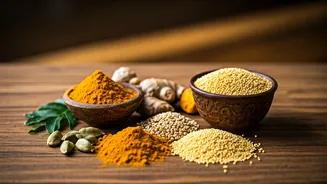
was rooted in the potent anti-inflammatory properties of turmeric. The active compound, curcumin, is a powerful antioxidant that helps the body fight foreign invaders and has a role in repairing damage. Modern studies have shown that curcumin can help manage inflammation, boost brain function, and lower the risk of heart disease. When combined with a pinch of black pepper, as it often was, the absorption of curcumin increases by up to 2,000%, making the simple home remedy even more effective. She knew exactly what she was doing.
The Ghee Misconception: A Healthy Fat
For years, ghee was unfairly villainised, lumped in with unhealthy saturated fats. But our grandmothers never lost faith, generously adding a spoonful to rotis, dal, and rice. They knew it wasn't just for flavour; it was for strength. Today, nutrition science is coming full circle. Ghee is rich in fat-soluble vitamins like A, E, and D. It’s also a great source of butyric acid, a short-chain fatty acid that supports gut health and can help reduce inflammation. Unlike many cooking oils, ghee has a high smoke point, meaning it doesn’t break down into harmful free radicals at high temperatures. It aids digestion, lubricates joints, and nourishes the skin from within. The secret was never to avoid fat, but to choose the right kind.
Soak It Up: The Logic of Pre-Soaking
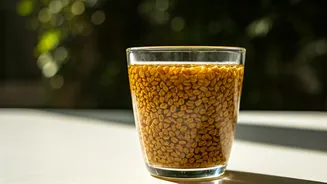
The ritual of soaking dals, legumes, and rice overnight seemed like just another tedious kitchen chore. Why couldn't we just wash and cook? Grandma insisted it was essential, and she was right. Soaking does more than just reduce cooking time. Legumes and grains contain phytic acid, an 'anti-nutrient' that can bind to minerals like iron, zinc, and calcium, preventing their absorption. Soaking neutralises this phytic acid, making the nutrients in the food more bioavailable. It also breaks down complex sugars that can cause bloating and gas, making lentils and beans much easier to digest. This simple, patient step unlocks the full nutritional potential of our food, a fact our ancestors understood long before we had labs to prove it.
A Hands-On Approach: Eating with Your Fingers
Being told to use a fork and spoon might seem more 'civilised', but traditional Indian wisdom champions eating with your hands. This isn't just about tradition; it’s about connection and digestion. The nerve endings on your fingertips are highly sensitive to temperature and texture. When you touch your food, you send signals to your brain, which in turn prepares the stomach for digestion by releasing the appropriate enzymes. This mindful practice helps you eat more slowly, savour your meal, and register fullness more accurately, preventing overeating. Furthermore, our hands host normal flora, or harmless bacteria, that can protect us from harmful microbes in the environment and support gut health. It’s a sensory experience that grounds us in our meal.
Nature's Antiseptic: The Power of Neem
Long before fancy toothpastes and mouthwashes, there was the neem twig, or 'datun'. Chewing on one end to form bristles and using it to clean teeth was a daily morning ritual in many households. Grandmothers swore by its ability to keep gums healthy and teeth strong. Modern science confirms that neem is a powerhouse of antibacterial, antifungal, and antiviral properties. Studies have shown that using neem twigs can help prevent the buildup of plaque, reduce gum inflammation (gingivitis), and fight the bacteria that cause cavities and bad breath. From its leaves used in bathing water to treat skin infections to its twigs for oral hygiene, neem was the original, all-natural pharmacy that grandma knew how to use perfectly.