





The Rise of the Mountain Office
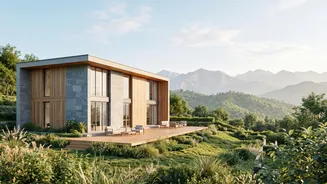
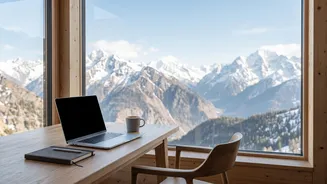
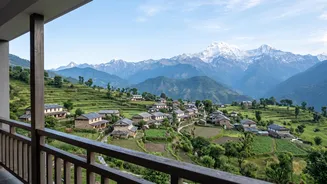
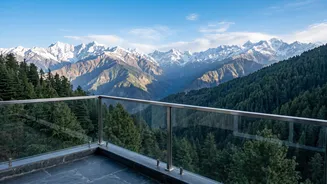
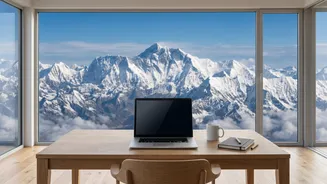
The dream of swapping a cramped city flat for a Himalayan vista is no longer just a fantasy. In towns like Rishikesh, Landour, and Mukteshwar, a growing community of professionals is logging into work against a backdrop of snow-capped peaks. This 'work
from the hills' phenomenon, accelerated by the global shift to remote work, is rapidly changing the face of Uttarakhand. Cafes with strong Wi-Fi are the new conference rooms, and traditional homestays are transforming into long-term residences for coders, writers, and marketers from across India and the world. This trend isn't just about a better work-life balance for individuals; it's a significant economic and social shift for the entire state, turning its natural beauty into a 21st-century asset.
The Digital Lifeline: BharatNet and Beyond
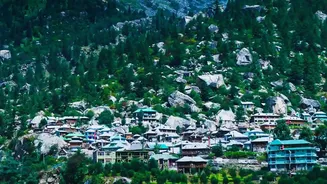
The critical enabler of this transformation is a silent one: thousands of kilometers of fiber optic cable. The national BharatNet project, a massive undertaking to provide broadband connectivity to India's Gram Panchayats, has been the primary driver. Phase-I of the project laid the initial groundwork, and subsequent phases are expanding this digital network to cover thousands of villages across the state. This government-led infrastructure push has created the backbone for reliable, high-speed internet, even in geographically challenging terrain. Private telecom players have built upon this foundation, ensuring that from bustling towns to quieter hamlets, a stable connection is increasingly the norm, making remote work not just possible, but practical.
More Than Just Wi-Fi
While connectivity is the backbone, the ecosystem thriving around it is what makes Uttarakhand a true nomad hub. The state government has actively promoted the concept through a 'Work from Himalaya' initiative, supported by a robust homestay policy that ensures quality and reliability. This has encouraged locals to upgrade their properties, offering amenities specifically catered to remote workers. Furthermore, the government has announced pilot projects to develop dedicated 'digital nomad villages' near Dehradun and Haldwani, inspired by successful models in other states. These villages are planned to have enhanced infrastructure, including co-working spaces, reliable power, and clean water, creating a holistic environment for professionals. Recent cabinet decisions to promote work-from-home culture statewide further signal official support for this new way of living and working.
Economic Ripple Effects
The influx of digital nomads brings a steady stream of revenue that is less seasonal than traditional tourism. These long-stay visitors inject money directly into the local economy, benefiting more than just hotels. Landlords offering homestays see stable income, local cafes and restaurants get regular patrons, and ancillary services like transportation and laundry find new customers. This creates a virtuous cycle of development. The demand for better services encourages further investment in infrastructure, from improved roads to better healthcare. By creating an environment where professionals can live and work, Uttarakhand is not just attracting temporary visitors but also fostering a new class of residents who contribute to the local economy year-round, curbing migration from the hills by providing new livelihood opportunities.
Balancing Growth and Sustainability
The rise of Uttarakhand as a nomad hub is not without its challenges. The increased population, even if temporary, puts pressure on fragile mountain ecosystems and local resources like water and waste management. There is a real risk of 'over-tourism' in a new guise, potentially leading to increased rents and a higher cost of living that could price out local residents. For this growth to be sustainable, careful planning is essential. State and local authorities face the task of managing this new wave of development, ensuring that infrastructure keeps pace and that the economic benefits are distributed equitably, without sacrificing the natural beauty and cultural authenticity that made the region attractive in the first place.