





Beyond the QR Code
When you think of a smart restaurant, you might picture the QR code menus that became common in recent years. But that's just the tip of the iceberg. Today’s smart restaurant integrates a suite of technologies that connect the front of the house with
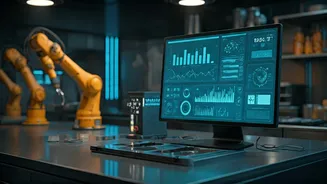
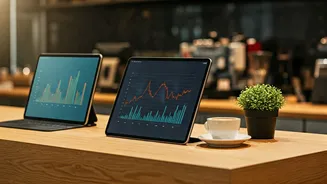
the back, creating a seamless flow of information and action. This includes advanced point-of-sale (POS) systems that do more than just process payments; they track customer preferences, manage inventory in real-time, and provide deep analytics. The goal is to create an operation where data, not guesswork, drives decisions, from staffing levels to ingredient orders. This shift moves technology from a simple tool to the central nervous system of the restaurant.
The AI-Powered Kitchen
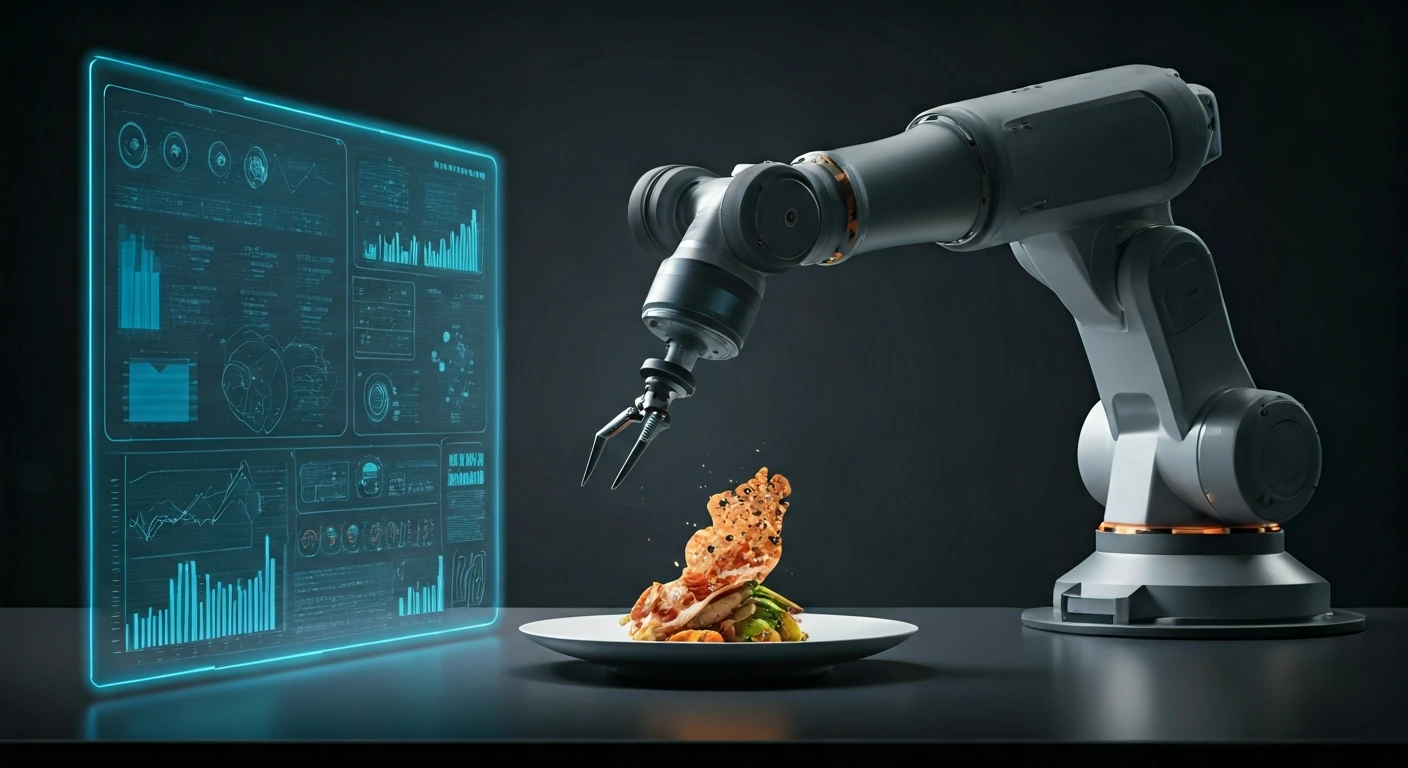
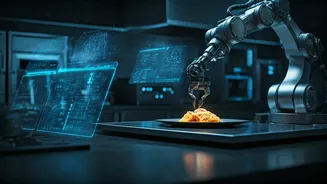
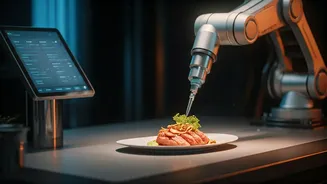
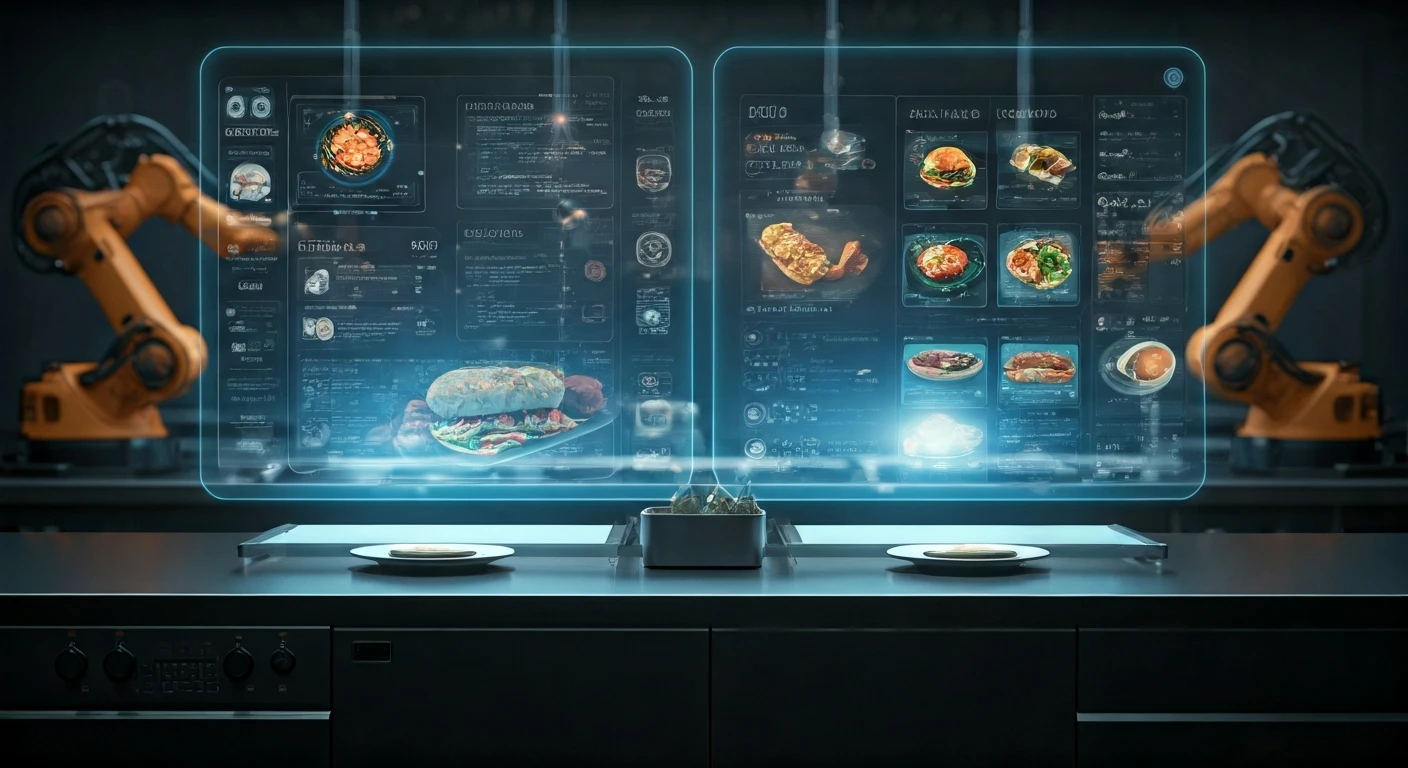
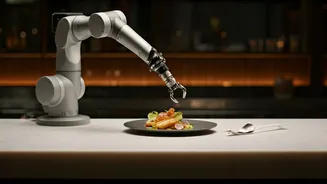
The biggest revolution in speed is happening behind the kitchen doors. Artificial intelligence and automation are teaming up to make food preparation faster and more consistent. Kitchen Display Systems (KDS) have replaced paper tickets, digitally routing orders to the correct stations and tracking preparation times to identify bottlenecks. Some kitchens are deploying robots for repetitive tasks like flipping burgers or assembling pizzas, ensuring consistency and freeing up human chefs for more creative work. AI-driven predictive analytics also forecast demand with stunning accuracy by analyzing past sales, weather patterns, and even local events. This means kitchens can prep the right amount of ingredients, reducing both waste and the time it takes to get a dish to the table.
Redefining Service and Ordering
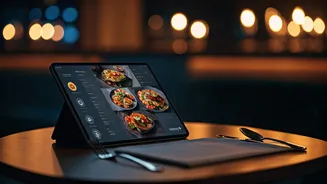
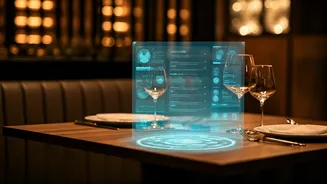
The interaction between customer and restaurant is also being overhauled for speed and efficiency. Self-ordering kiosks in fast-casual spots and tablets at full-service tables allow diners to place orders directly, reducing the chance of human error and eliminating the wait for a server. These systems are often designed to intelligently upsell, increasing the average order value. For takeout and drive-thru, AI-powered voice ordering systems are handling calls and orders with increasing sophistication, understanding complex requests and freeing up staff. Contactless payment is now a standard expectation, allowing diners to pay via mobile wallets or QR codes without waiting for a card machine, which significantly speeds up table turnover during busy periods.
Dynamic and Personalized Menus
The static, printed menu is giving way to dynamic digital versions that can be updated in real-time. If an ingredient runs out, the item can be instantly removed from the menu to avoid customer disappointment. More advanced systems use AI to adjust offerings based on factors like the time of day, current demand, or even the weather. This technology also enables a new level of personalization. By analyzing a customer's order history, a smart menu can highlight recommended dishes, creating a more tailored and efficient ordering process. This data-driven approach not only enhances the guest experience but also helps restaurants optimize their offerings for maximum profitability and efficiency.
The Human Element in a Smart World
While the focus of this technological shift is on speed and efficiency, many in the industry argue that the goal isn't to replace human workers but to support them. By automating repetitive and administrative tasks, from taking orders to managing inventory, employees can devote more time to high-value interactions and genuine hospitality. However, the transition isn't without challenges. The initial investment in technology can be significant, and there's a risk of creating an impersonal dining experience if the balance between automation and human touch isn't right. Staff may also worry about job security or resist changes to their workflow, making thoughtful implementation and training crucial.