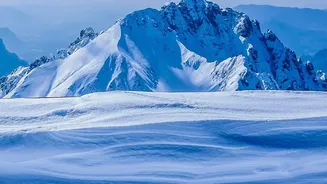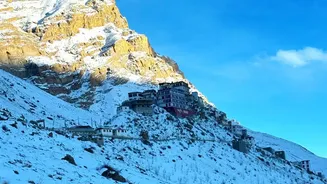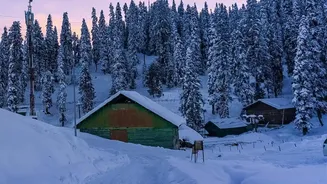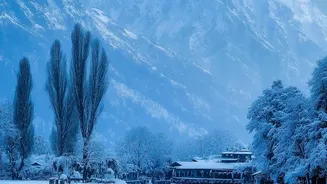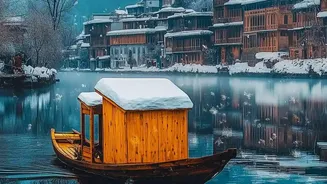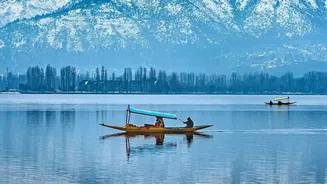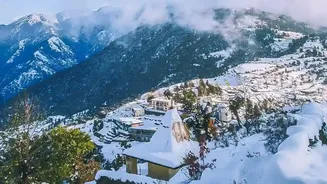

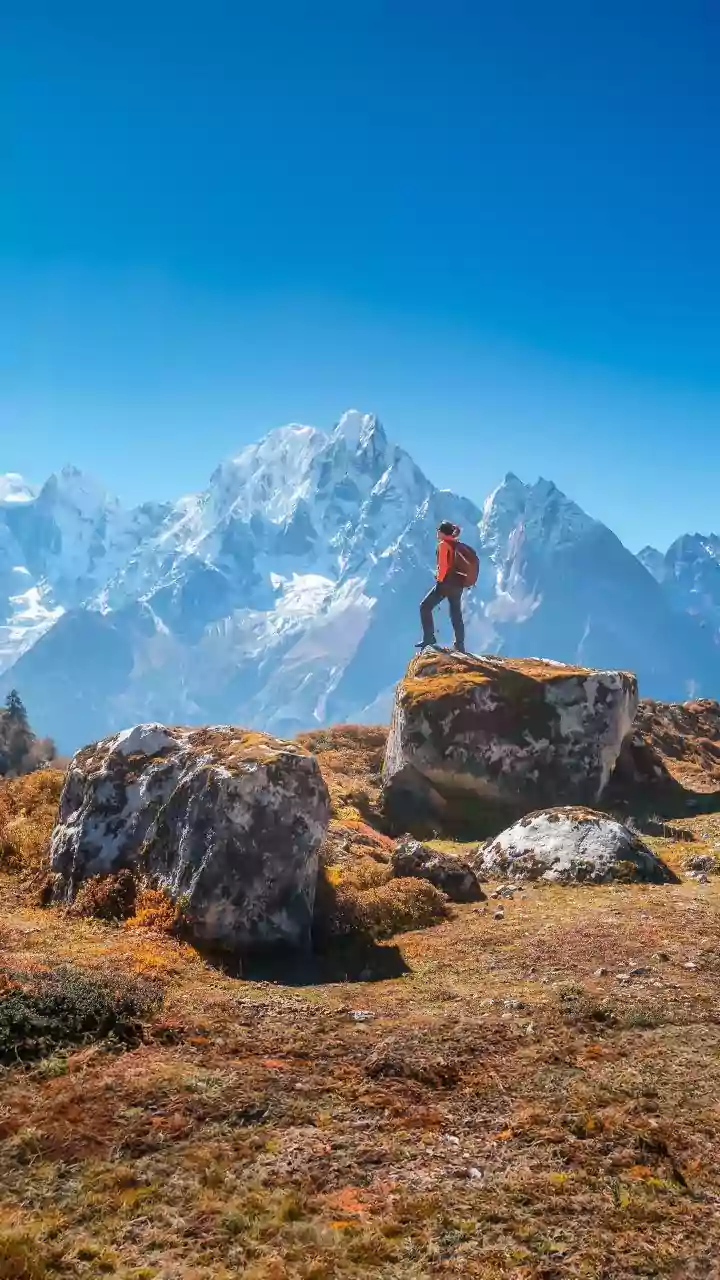
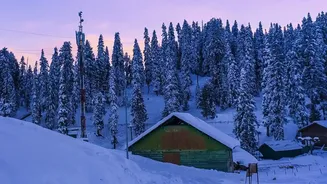
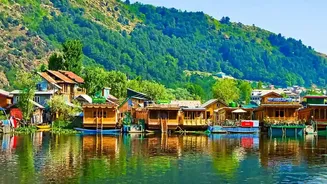
A blanket of snow turns Kashmir into a winter wonderland, but it also transforms how you travel. While many flock to Gulmarg, a different kind of magic awaits in the valley's quieter corners if you know how to navigate the snowy landscape.
The Reality of Winter Travel
The first thing
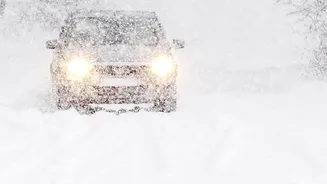
to understand about a Kashmiri winter is that snow dictates the terms. Heavy snowfall, especially between late December and February, can lead to the closure of the main Jammu-Srinagar National Highway (NH-44) for hours or even days due to slippery conditions and the risk of landslides. This makes flying into Srinagar the most reliable way to arrive. Even then, dense fog and snow can cause flight delays or cancellations, so it is wise to build buffer days into your itinerary. On local roads, authorities may restrict travel to 4x4 vehicles or cars fitted with snow chains, particularly on the ascent to popular tourist spots. Travel is best done during daylight hours, as 'black ice' often forms on roads at dawn and after sunset, making driving hazardous.
Pahalgam: The Serene Alternative
While Gulmarg is Kashmir’s undisputed skiing capital, Pahalgam, about 90 km from Srinagar, offers a quieter, more serene winter experience. Nestled in the Lidder Valley, it transforms into a peaceful landscape of snow-dusted pine forests and a partially frozen river. It is an excellent choice for families and couples looking for gentle snow activities like sledging, building snowmen, and taking tranquil walks. The main meadows like Betaab Valley and Aru Valley are often accessible, offering postcard-perfect views, though road access should always be confirmed on the day of travel as conditions can change. Unlike the advanced ski slopes of Gulmarg, Pahalgam provides a relaxed atmosphere to simply soak in the winter scenery.
Sonamarg: The Newly Accessible Frontier
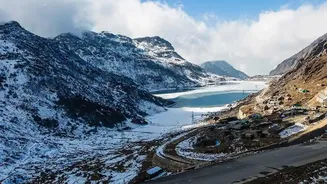
Historically, Sonamarg was considered a summer-only destination, as the road would be cut off by avalanches. However, the opening of the Z-Morh tunnel has changed the game, providing all-weather connectivity to Sonamarg town itself. This means travellers can now access its dramatic, high-altitude snowscapes throughout the winter. At about 80 km from Srinagar, it makes for a stunning day trip. It's crucial to note, however, that while the town is reachable, attractions further up like the Thajiwas Glacier trek and Zoji La pass typically remain closed or heavily restricted in deep winter. A trip to Sonamarg in winter is about experiencing the raw, silent beauty of a valley under deep snow, more than activity-based tourism.
Offbeat Gems: Yusmarg & Doodhpathri
For the truly adventurous seeking solitude, the meadows of Yusmarg and Doodhpathri in Budgam district are incredible options. Both are about 50 km from Srinagar and offer pristine, crowd-free snowscapes. Yusmarg, the 'Meadow of Jesus', is known for its dense pine forests and quiet atmosphere. Doodhpathri, the 'Valley of Milk', features a river flowing through vast, snow-covered grasslands. Their accessibility in winter is highly dependent on weather. Officials note that heavy snowfall can render these areas inaccessible for weeks at a time, so they are best considered as 'bonus' destinations. A trip is only feasible if the roads are confirmed to be open on the morning of travel, and a 4x4 vehicle is often necessary.
Essential Tips for a Smooth Journey
To make the most of a Kashmir winter trip, planning is paramount. Always dress in layers: a thermal base, a fleece midlayer, and a waterproof, insulated outer jacket are nonnegotiable. Waterproof boots with good grip, multiple pairs of woollen socks, gloves, and a warm cap are equally essential. Always carry cash, as digital payments can be unreliable in remote areas or during bad weather. Keep your itinerary flexible. Road closures are a reality, so have backup plans and don't schedule a flight immediately after a mountain excursion. Before setting out each day, have your local driver check the official traffic and weather updates.