






The New Monsoon Plate
The rainy season in India is a welcome relief from the summer heat, but it also brings a higher risk of infections, from the common cold to stomach bugs. Historically, dietary advice centred on avoiding certain foods. Today, the focus has evolved. Nutritionists
and health experts are promoting a diet that is not just about avoidance but about actively strengthening the body's defences. This means prioritising foods that are light, easy to digest, and packed with immunity-boosting nutrients. The emphasis is on fresh, warm, home-cooked meals that align with the body's needs during this damp and humid season.
Immunity Is Your Best Umbrella
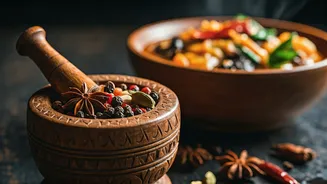
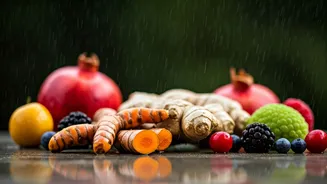
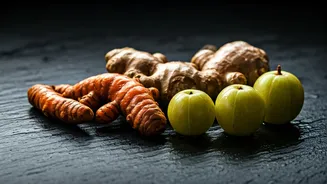
The high humidity during monsoon can slow down our digestive system, making us more vulnerable to illness. This is why building a strong immune system is crucial. The modern rainy-day diet is built around ingredients that are natural defenders. Spices like turmeric, ginger, garlic, and black pepper are key players. Turmeric has anti-inflammatory properties, while ginger and garlic are known for their antibacterial and antiviral effects. Including these generously in your daily cooking—in dals, soups, or herbal teas—can provide a significant immunity boost.
Embrace Seasonal Produce
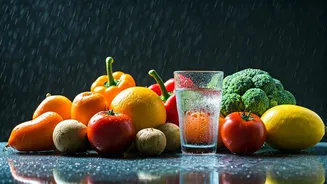
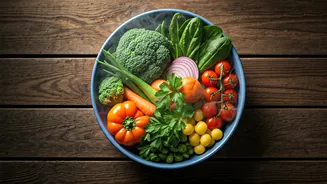
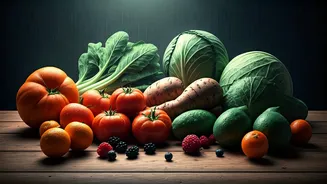
Eating seasonally is one of the smartest health moves during the monsoon. Nature provides exactly what our bodies need. Look for seasonal fruits like jamun, pears, plums, cherries, and pomegranates. These are rich in essential vitamins and antioxidants that support your immune system. When it comes to vegetables, gourds like bitter gourd (karela), bottle gourd (lauki), and ridge gourd (tori) are excellent choices. They are easy to digest and full of nutrients. Also, including corn (bhutta), chickpeas, and oats can be beneficial. Remember to wash all fruits and vegetables thoroughly with clean water before consumption.
Gut Health Is a Priority
A healthy gut is directly linked to strong immunity. Probiotic-rich foods like fresh, homemade curd (yoghurt) and buttermilk (lassi) are excellent for maintaining gut health during the monsoon. These foods promote the growth of good bacteria, which aids digestion and helps prevent common stomach issues. Light, fermented foods are easier on the digestive system, which is naturally weaker during this season. However, ensure they are fresh and avoid versions that are too cold.
Warm Drinks and Hydration
Nothing feels more comforting than a warm drink on a rainy day. Herbal teas made with ingredients like ginger, tulsi (holy basil), cinnamon, and lemon are not only soothing but also help strengthen immunity. Warm soups and broths are another great way to stay hydrated and nourished. While it's important to drink plenty of fluids, be mindful of the water source. It's best to drink boiled, filtered, or warm water to prevent waterborne infections that are common during this season. It is also advisable to avoid carbonated drinks, which can reduce mineral levels and weaken digestion.
What to Limit or Avoid
To stay healthy, it's wise to limit certain foods. Deep-fried, oily, and heavy street foods are best avoided as they can be hard to digest and are prone to contamination. Health experts also suggest limiting raw foods, like salads, unless they are prepared at home with thoroughly washed vegetables. Seafood consumption is often discouraged during the monsoon, as it is the breeding season for fish, and the risk of contamination is higher. Reducing intake of spicy foods and excess salt can also help, as they can cause digestive issues and water retention, respectively.