



What Exactly Is Slow Travel?
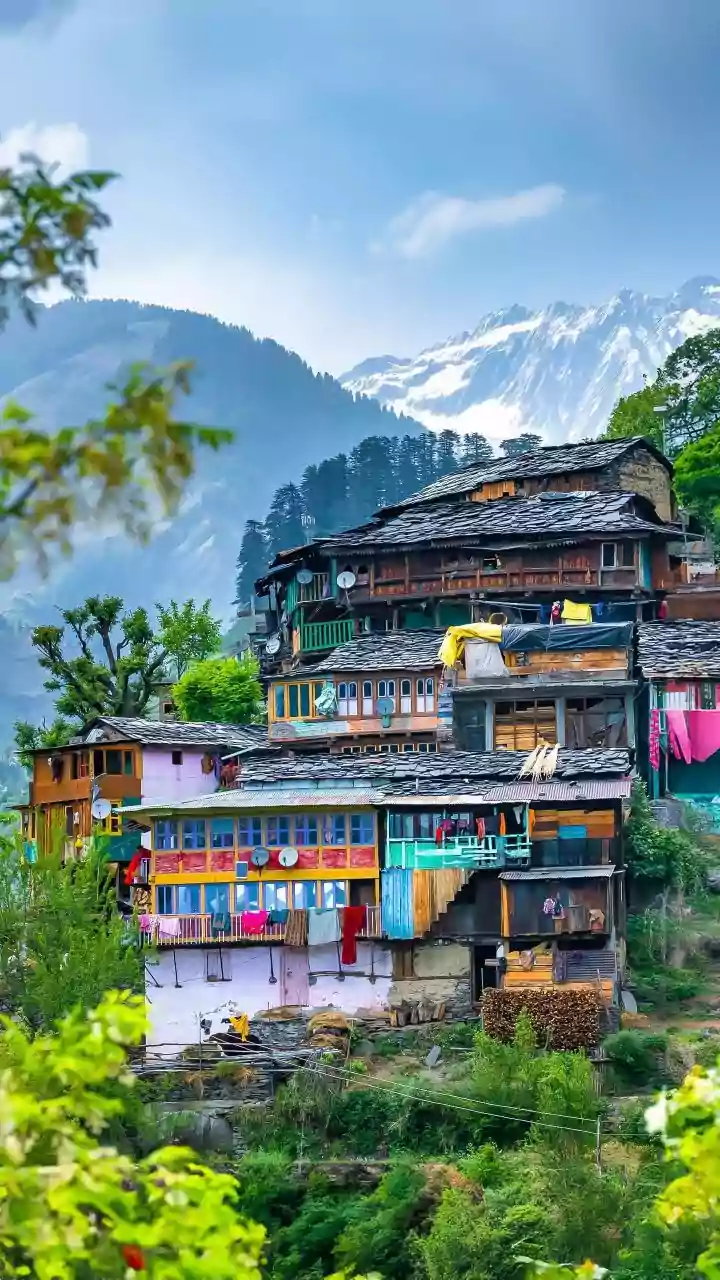
Forget frantic, checklist-driven tourism. Slow travel is the exact opposite. It’s about choosing one destination and staying put for a longer period—think weeks, not days. Instead of rushing between cities to see every possible monument, you immerse yourself
in a single location. The goal is to live more like a local and less like a tourist, focusing on connection and experience over a packed itinerary. This approach rejects the idea that you need to come back from a trip feeling more exhausted than when you left. It prioritizes a relaxed pace, allowing for spontaneous discoveries and a genuine feel for the local culture, food, and people.
The Direct Impact On Your Wallet
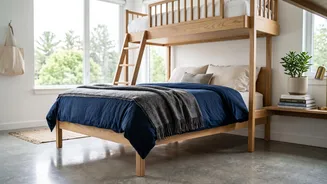
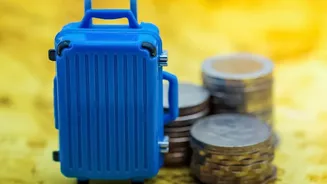
The most compelling argument for slow travel is its direct financial benefit. The more you move, the more you spend; therefore, staying in one place is inherently cheaper. Transportation, often a huge budget item, is drastically reduced. You eliminate the costs of frequent flights, inter-city trains, and expensive taxis. Accommodation expenses also plummet. Renting a service apartment or a homestay for a month is significantly more economical per night than booking hotel rooms. Many platforms offer substantial weekly or monthly discounts, making long stays more affordable. This is especially true for larger or multi-generational families, where renting a single villa can be far cheaper and more comfortable than booking multiple hotel rooms.
Slash Your Food and Activity Bills
One of the biggest savings comes from food. Having your own kitchen in a rental allows families to cook meals, a massive advantage over eating out for every meal. This is not only cheaper but also a blessing for families with children who may be picky eaters. It allows you to explore local markets, buy fresh produce, and experiment with regional ingredients—an authentic experience in itself. Activities also become more budget-friendly. Instead of costly guided tours, slow travellers often find joy in free or low-cost activities like exploring neighbourhood parks, discovering local street art, or simply spending a relaxed day at the beach. You spend money in local shops and restaurants, not tourist traps.
Richer Memories and Happier Kids
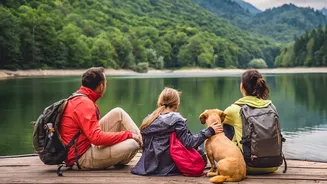
Beyond the budget, the value of slow travel lies in the quality of the experience. For families, a less frantic pace means less stress and fewer meltdowns. Children thrive on routine, and slow travel allows for a more stable and predictable environment, with familiar sleeping arrangements and regular meal times. There is more time for genuine family bonding that isn’t dictated by a tight schedule. Kids can get involved in daily activities, like shopping at the market or helping to plan a day trip. This slower pace helps create deeper, more meaningful memories that are not just a blur of sights but a collection of shared moments and authentic connections with a place.
How to Plan a Slow Family Trip
Making the switch to slow travel is simple. Start by picking one base location that can serve as a hub for exploring a region. Instead of booking hotels, look for long-term rentals on sites like Airbnb or local property portals. Plan your trip during the off-season to get even better rates and avoid crowds. When you're there, resist the urge to overschedule. Leave room for spontaneity. Involve the entire family in planning a loose itinerary that focuses on experiences rather than just sights. The key is to shift your mindset from 'seeing everything' to 'experiencing one place well'.