









The Mind of a Hunter
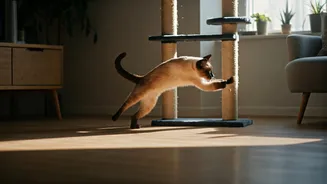
To understand why a toy succeeds or fails, we have to think like a cat. Domestic cats are still hardwired with the predatory instincts of their wild ancestors. For them, play is not just a game; it is a simulation of the hunt. They are designed to stalk,
chase, pounce, and capture. A toy that just sits there, or moves in a predictable pattern, is like prey that's already dead. It offers no challenge and quickly becomes boring. The most successful toys are those that mimic the erratic, unpredictable movements of real prey, like a mouse scurrying or a bird fluttering. This engagement is crucial, as a lack of mental stimulation can lead to boredom and even destructive behaviours like scratching furniture or excessive meowing.
The Power of Interactive Play
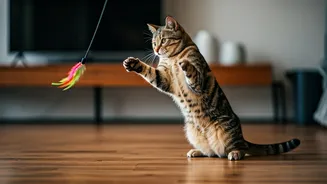
Often, the best toy is one that you are a part of. Interactive toys, such as wands with feathers or fabric, are highly effective because you control the movement. You can make the “prey” dart behind furniture, pause, and then zip across the room, triggering your cat’s chase instinct. These play sessions don't need to be long; several 10-15 minute bursts a day are enough to satisfy their predatory drive and provide a great workout. It’s also crucial to let your cat “win” by allowing them to catch the toy at the end of the session to avoid frustration. This not only fulfills the hunt-catch-kill sequence but also strengthens the bond between you and your pet.
Keep Things Fresh and Novel
Cats, much like people, can get tired of the same old thing. They exhibit a trait known as neophilia, which is a preference for new things. This is why a brand-new toy is often exciting at first, but loses its appeal once it becomes familiar. A simple and effective strategy is toy rotation. Instead of leaving all the toys out all the time, keep a stash of about 20 toys and rotate a few out every week. When a toy reappears after a week or two in the closet, it often feels new again. You can even “marinate” toys in a sealed container with catnip to give them a fresh, enticing scent when you bring them back out.
Engage Their Brain with Puzzles
Play isn't just about physical exercise; mental stimulation is equally important. Puzzle feeders and food-dispensing toys are fantastic for engaging a cat's intelligent mind. These toys require your cat to bat, paw, or strategize to release a treat or a piece of their kibble. This mimics the challenge of hunting for food and provides a rewarding problem-solving experience. It’s an excellent way to prevent boredom, especially for indoor cats who spend long periods alone. Puzzle feeders also help slow down fast eaters, which can aid in digestion and weight management.
Don't Underestimate Simplicity
You don't need to spend a fortune to keep your cat entertained. Some of the most engaging “toys” are everyday household items. A simple cardboard box provides an excellent hiding spot for ambushing and playing. A crumpled piece of paper or a paper bag (with the handles removed for safety) can provide hours of fun because of its novelty and the sound it makes. These simple items are often successful because they are new, and they allow a cat to use its imagination. The key is to provide variety and observe what kind of “ prey” your specific cat enjoys hunting.