




What Exactly Is the Impact Player Rule?
First implemented in the 2023 IPL season, the Impact Player rule allows each team to substitute one player from their starting eleven at any point during the match. This substitute, chosen from a list of five names submitted at the toss, can be a specialist
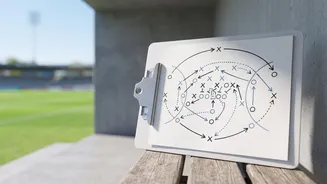
batter replacing a bowler or vice-versa, depending on the team's needs. Unlike a traditional substitute who can only field, the Impact Player can bat and bowl their full quota of overs, effectively turning the game into a 12-a-side contest. The idea was to add a new layer of strategic depth, allowing teams to react to match conditions in real-time.
The Core of the Controversy: Harming All-Rounders
The most consistent criticism leveled against the rule is its detrimental effect on all-rounders. With the ability to bring in a specialist, teams no longer need to rely on players who possess skills with both bat and ball. A team can play a deep batting lineup and simply swap out a batter for a specialist bowler when it's their turn to field. This has led to a situation where developing all-rounders are seeing their secondary skills become redundant. Players who could previously hold a spot by contributing in both departments are now being overlooked for specialists, potentially stunting the growth of multi-skilled cricketers for the Indian national team.
Rohit Sharma: 'Cricket is Played by 11, Not 12'
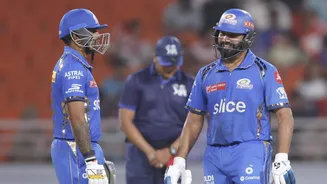
Team India captain Rohit Sharma has been one of the most prominent and vocal critics of the rule. In a widely discussed podcast appearance, he stated he is "not a big fan" of the concept, arguing that it compromises the fundamental nature of the sport. "Eventually, cricket is played by 11 players, not 12 players," he remarked. Rohit specifically highlighted how players like Shivam Dube and Washington Sundar are not getting opportunities to bowl in the IPL, which he sees as a negative for the national team's balance. He believes the rule is taking "so much from the game just for a little bit of entertainment."
The Bowlers' Plight
Bowlers have also expressed significant frustration. The rule has directly contributed to an explosion in high scores, with totals exceeding 250 becoming more common. Fast bowler Mohammed Siraj pleaded, "Please remove this impact sub thing," pointing out that wickets are already flat and the rule allows batters to attack relentlessly from the start, knowing they have extra batting depth. With an extra batter in the ranks, the pressure on bowlers has intensified, as taking early wickets no longer guarantees a shift in momentum. This sentiment is shared by many who feel the balance between bat and ball has been unfairly tilted.
A Chorus of Concern
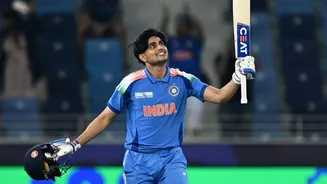
The list of critics extends beyond just Rohit and Siraj. All-rounders like Axar Patel have bluntly said, "I don't like it," as it directly impacts their role. Shubman Gill has argued that the rule "takes the skill out of the game" by removing the challenge of recovering from a top-order collapse. Even former players and coaches like Kieron Pollard and Ricky Ponting have voiced concerns, noting the diminishing value of all-rounders and the artificial inflation of scores.
BCCI's Review and the Road Ahead
In response to the growing discontent, the BCCI has formally asked all 10 IPL franchises to submit their feedback on the rule by August 31, 2026. This move follows an assurance from board officials that the rule would be reviewed after the recent IPL season. The communication from the board covers various operational aspects, but the Impact Player rule is the most significant point of contention. The feedback from the teams will be crucial in determining whether the rule will be modified, retained, or scrapped entirely before the next IPL season commences.